Animated Film Pitch

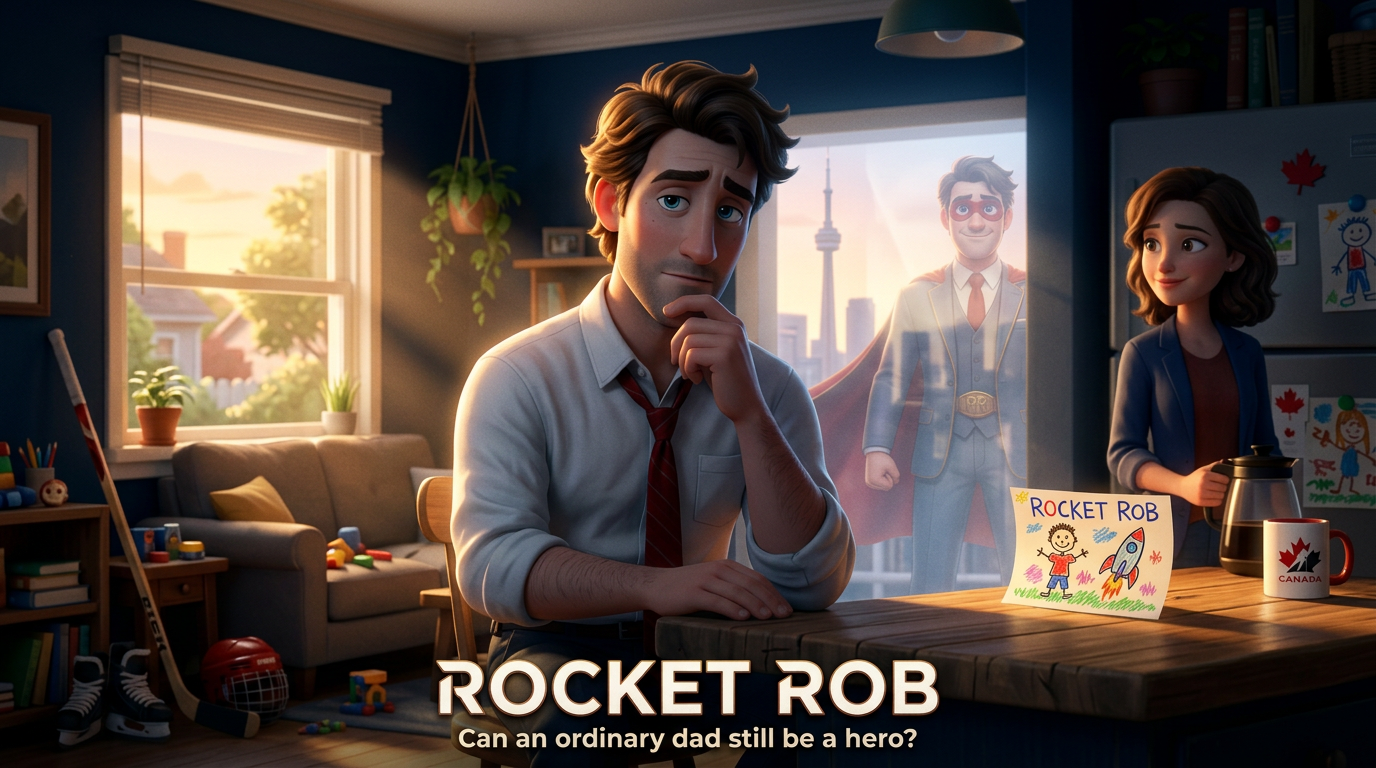
Rocket Rob

"Can an ordinary dad still be a hero?"

Format
Animated Feature Film
Audience
Kids 6–12 + Parents
Tone
Pixar-Level Emotional
Runtime
~90 minutes
"Being a hero isn't about saving the world. It's about showing up for the people who believe in you."
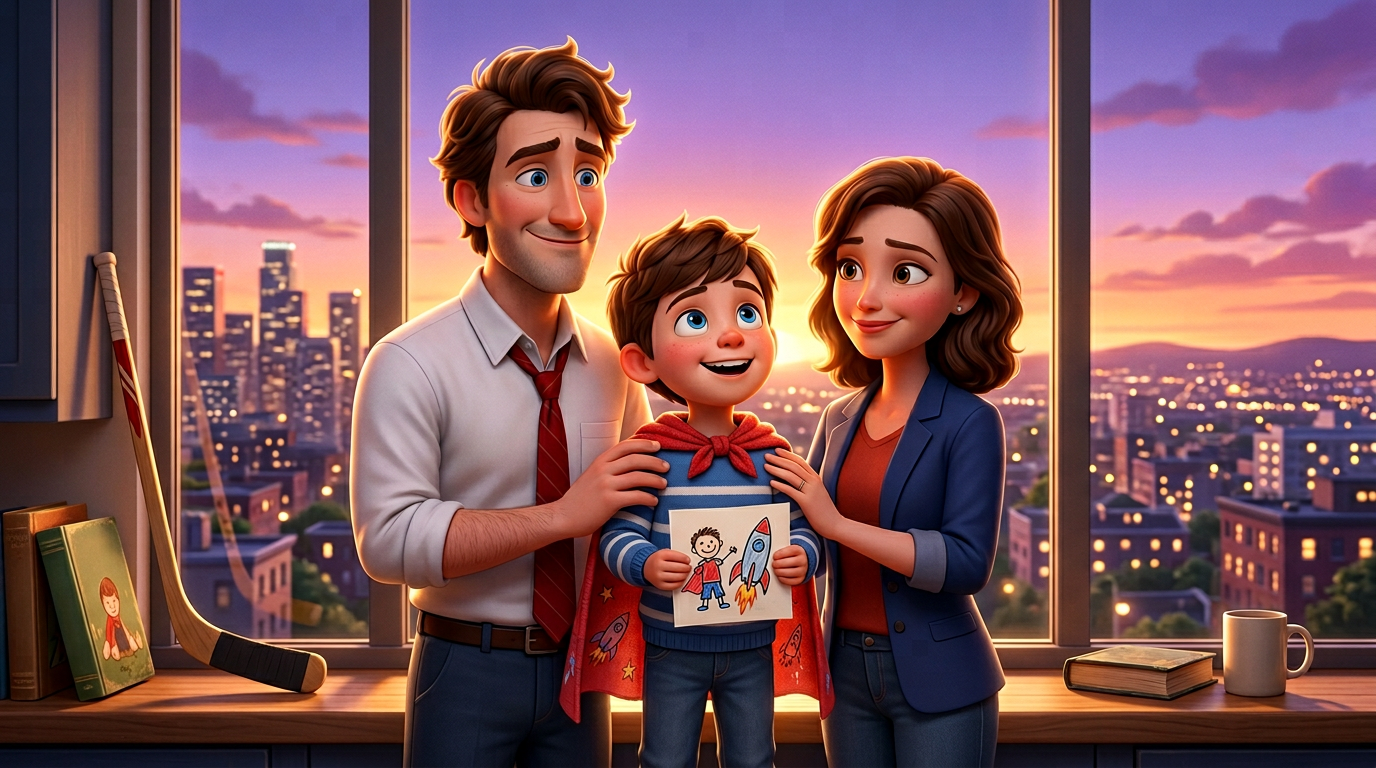
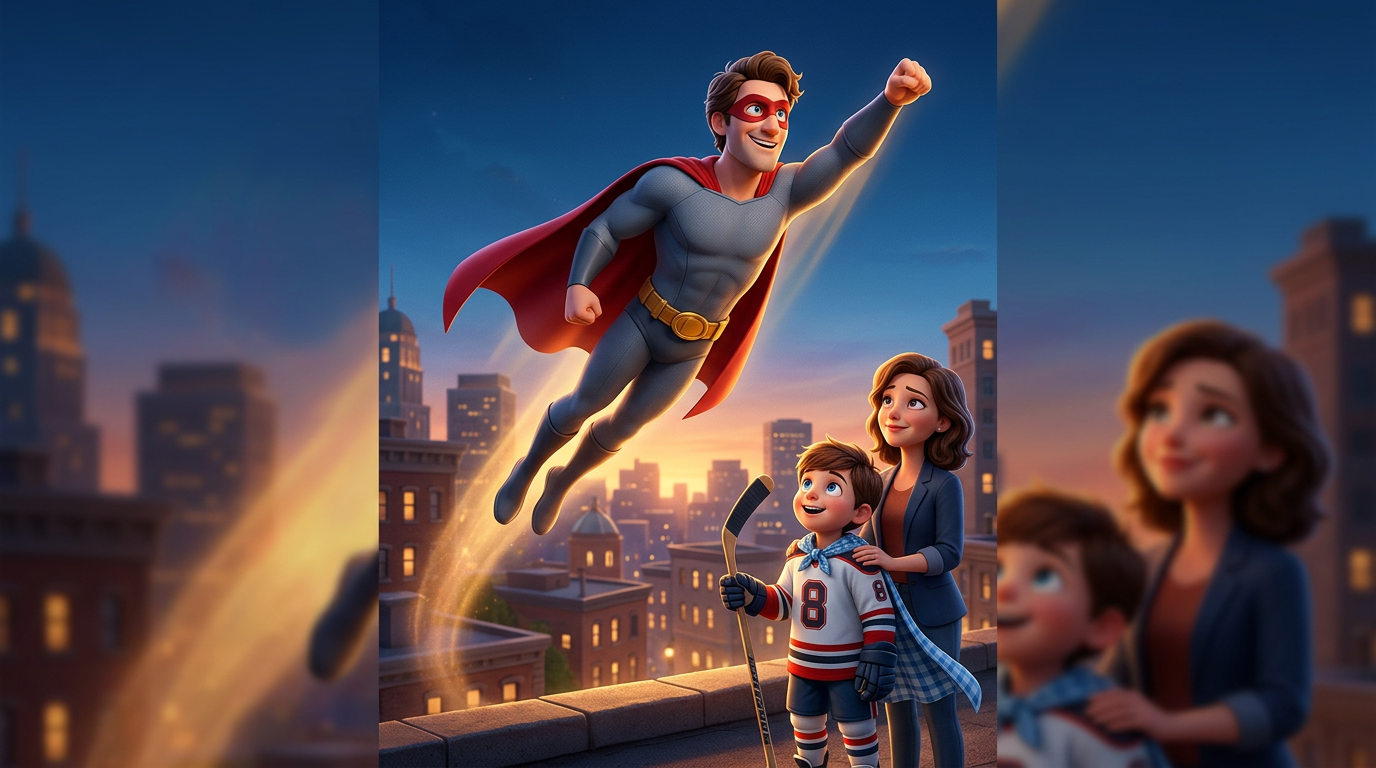
The underneath truth: Rob has no superpowers. The superhero layer is Max's imagination.

Max's belief gave Rob the courage to try. When that belief goes silent mid-film, Rob doesn't lose powers — he loses himself. In the silence, Rob must find his own courage — not from Max, but from choosing not to become Victor Watt. His Act 3 heroism comes from self-belief: the choice to be present, not powerful.

When Max's voice returns at the end — not as faith, but as a choice — he's not powering his dad. He's honoring both parents. "Every family has heroes."

Characters

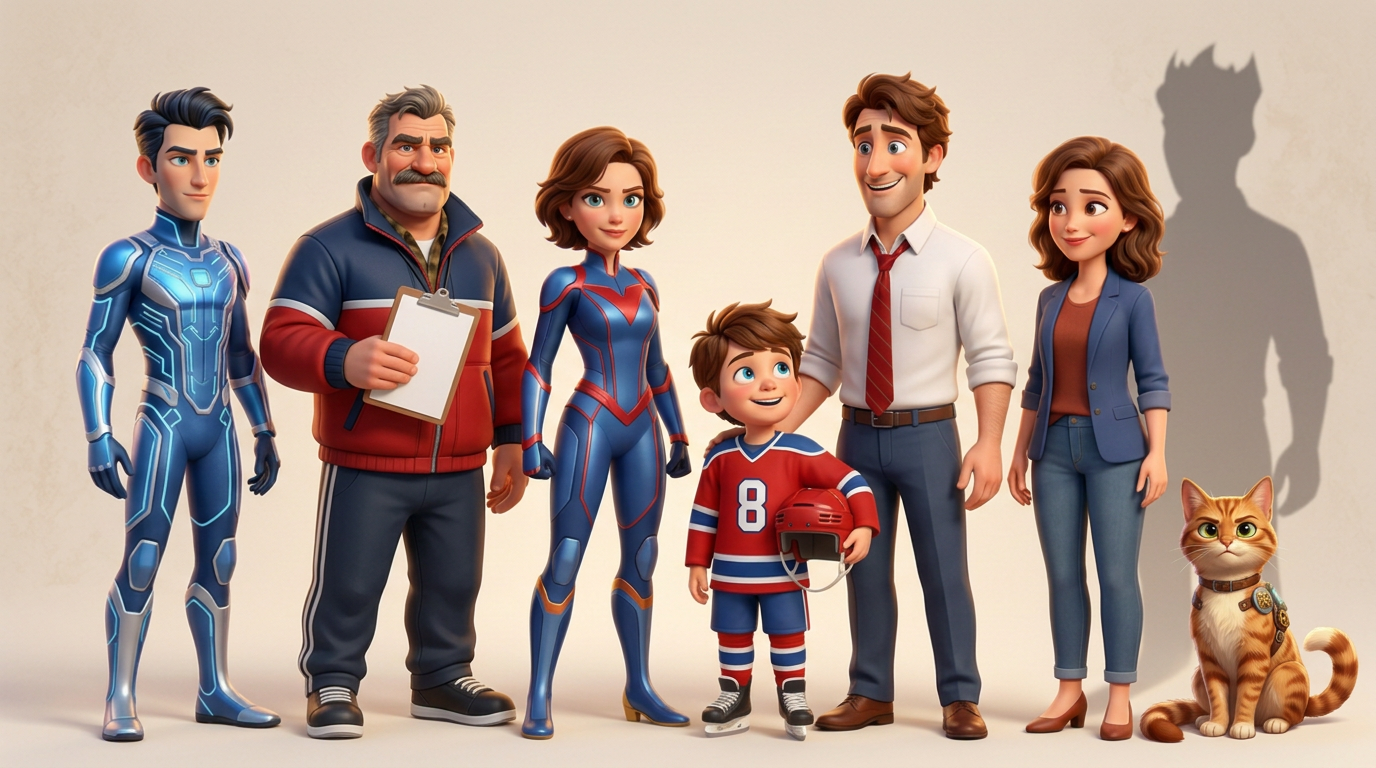
Every character represents a different belief about what it means to be a hero. When they clash, the story becomes emotional and compelling.

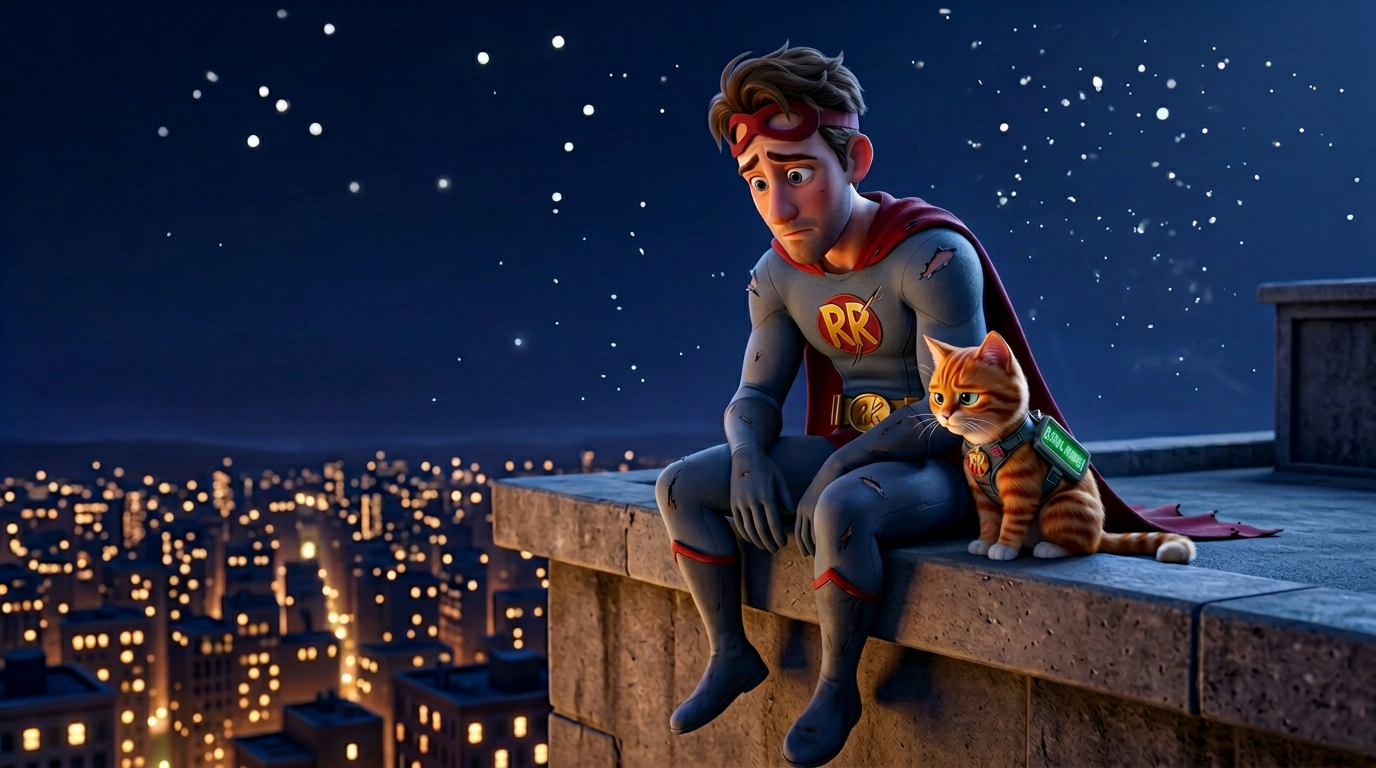
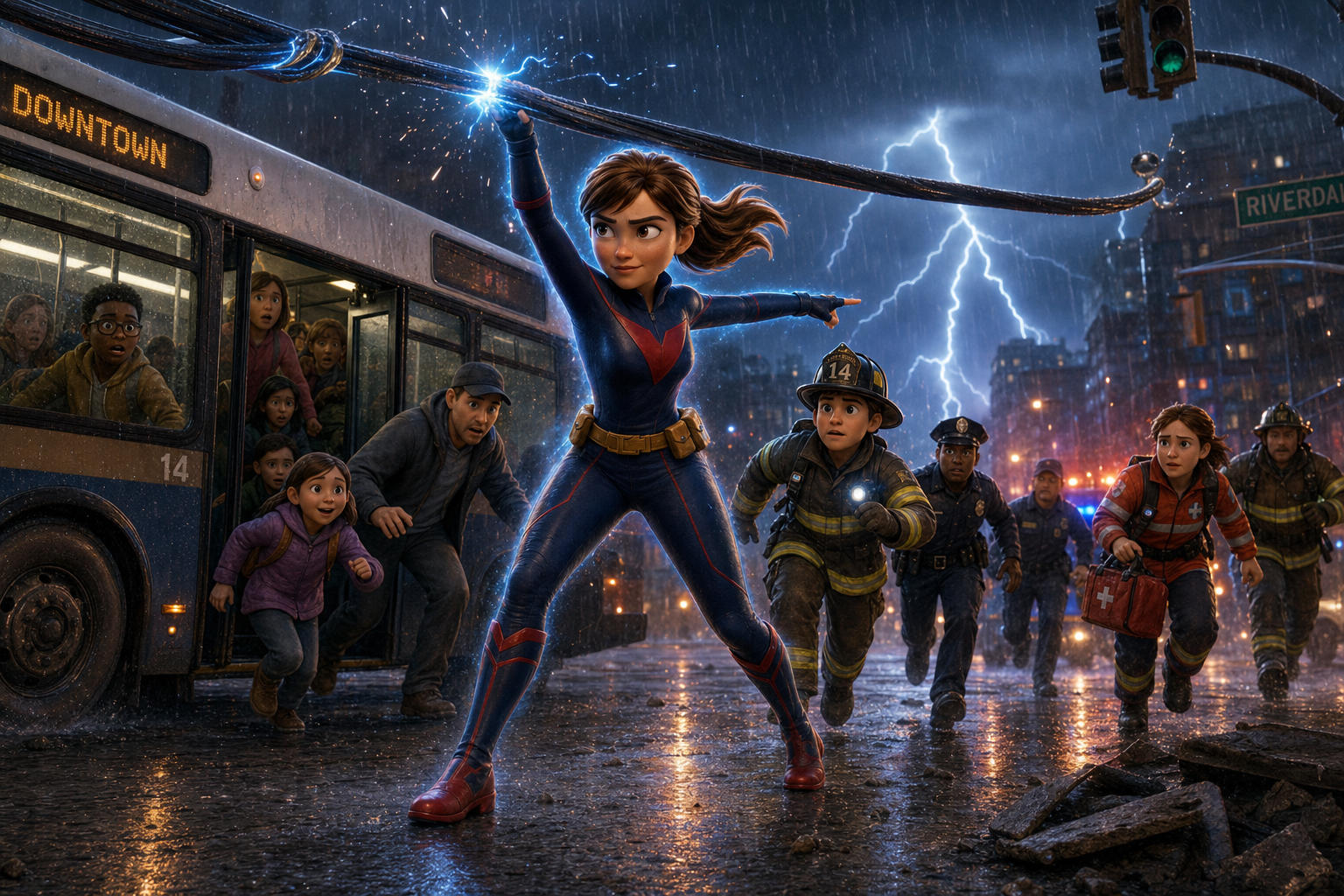
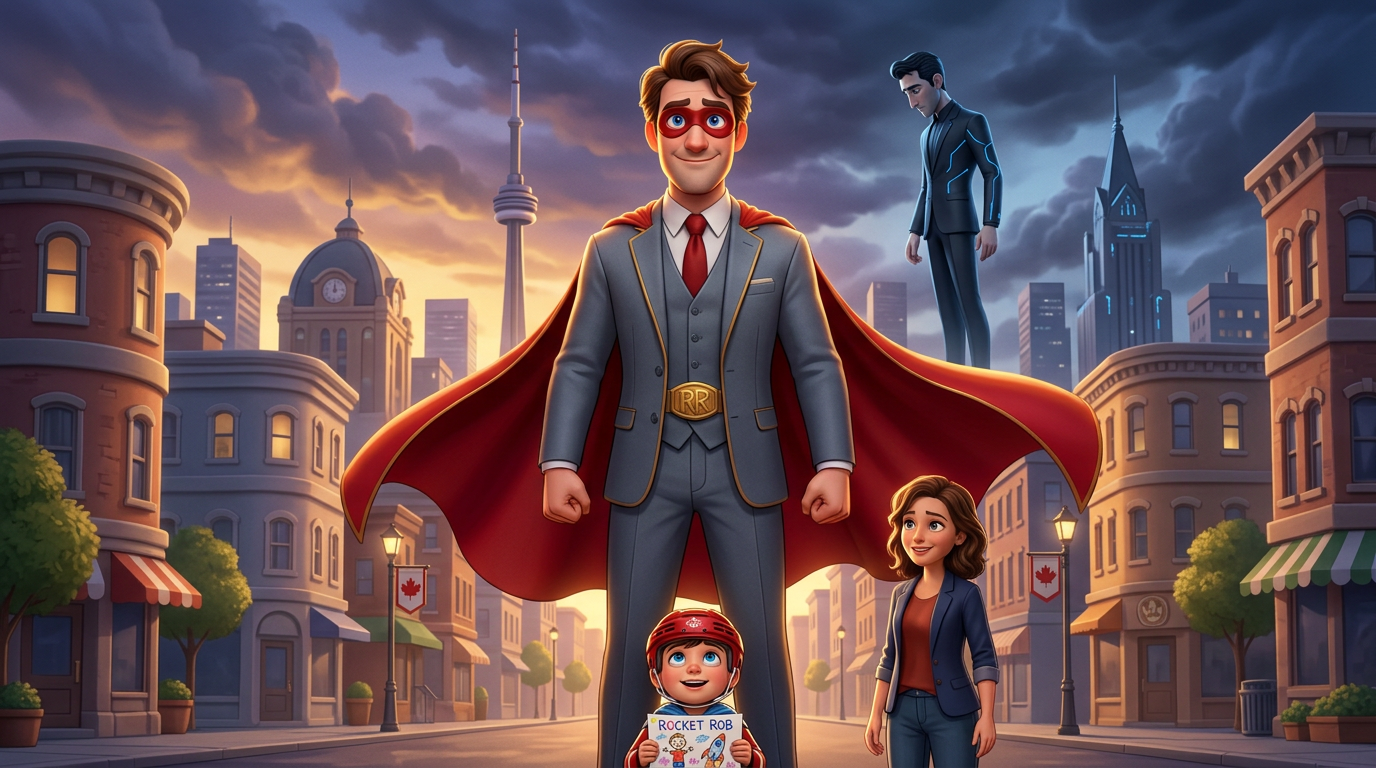
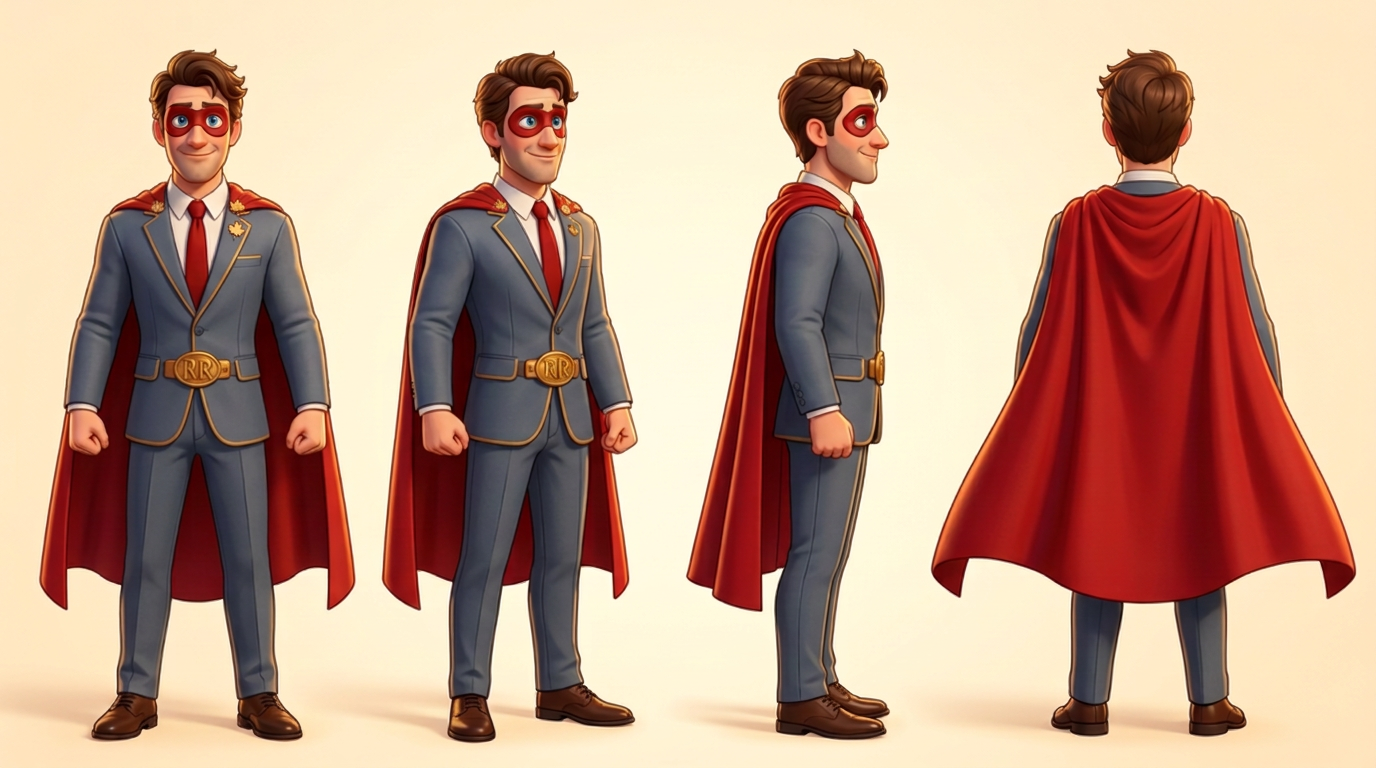
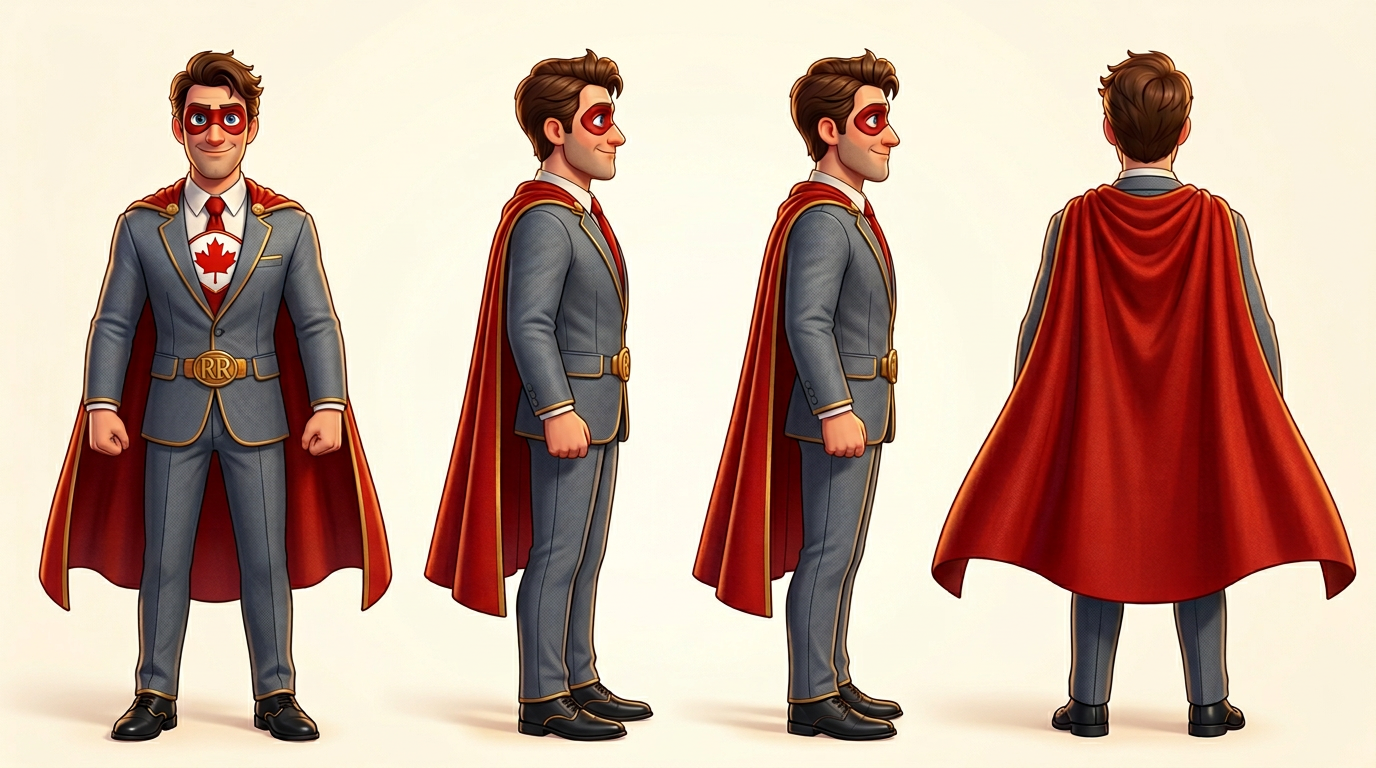
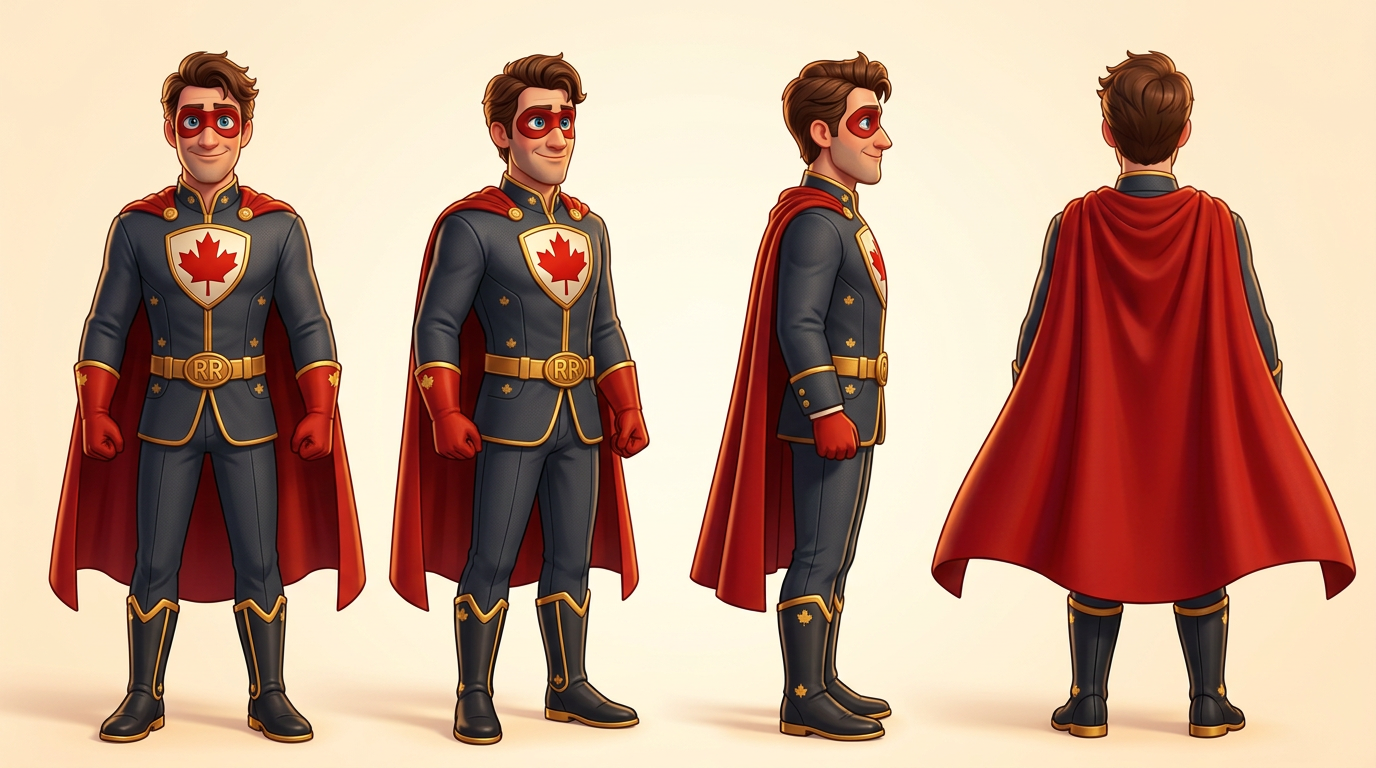
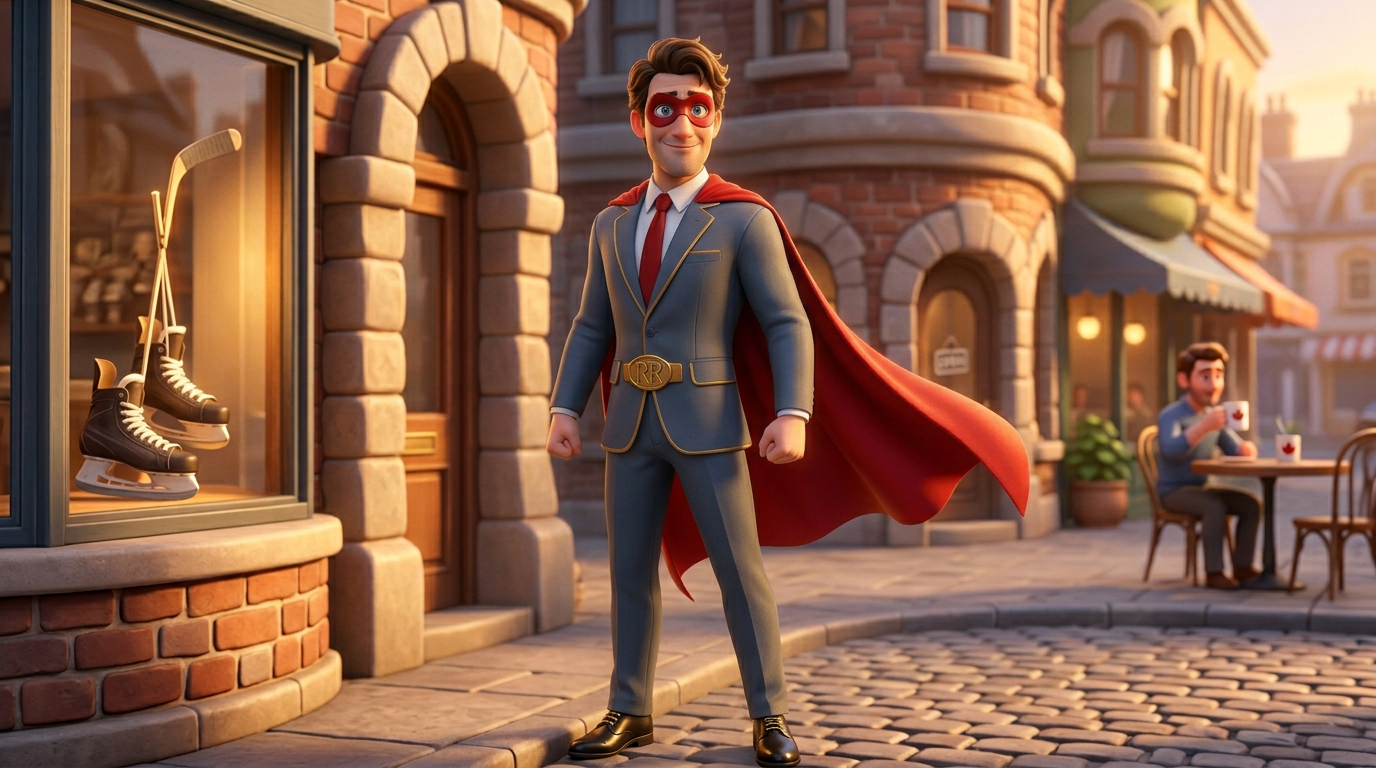
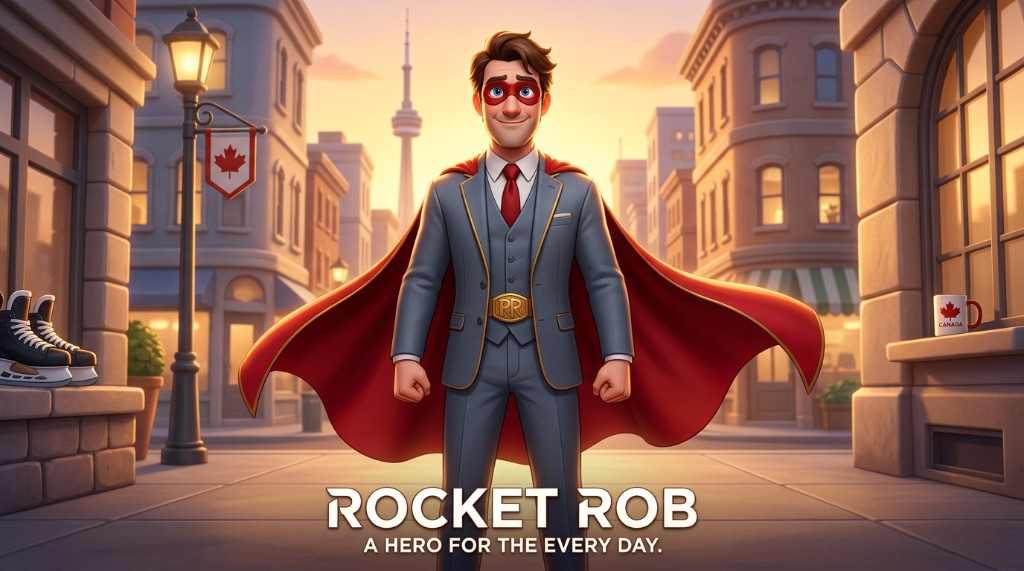
Rocket Rob — hero stance on city street

Rob Lavoie / Rocket Rob

The Reluctant Hero

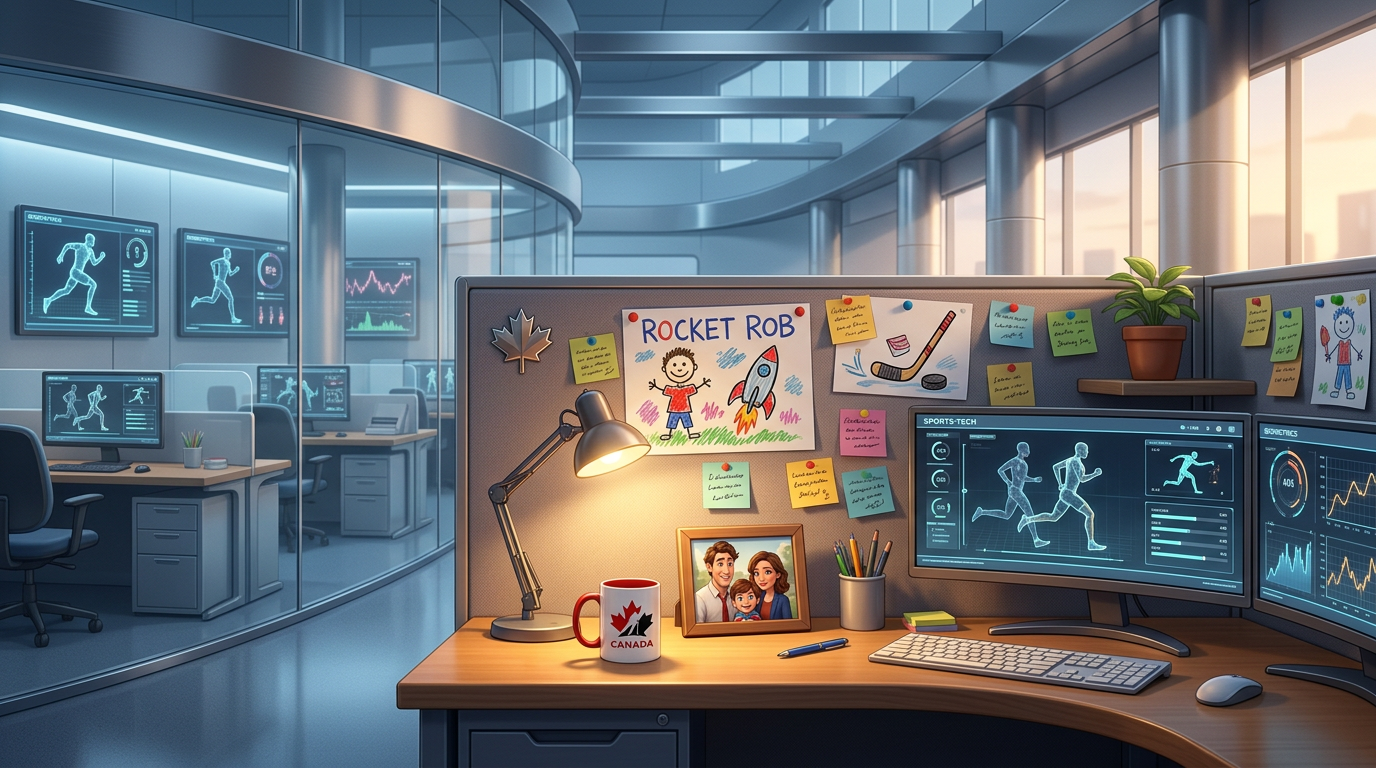
A Canadian dad with no superpowers. In Max's imagination, he's Rocket Rob — the greatest hero ever. In reality, he's a guy at Titan Sports Tech trying to make it home for bedtime. When Max stops believing mid-film, Rob must find his own courage — not from powers, but from the choice to be present. Capable, optimistic, a little goofy, and always slightly tired. He solves every problem with dad logic.

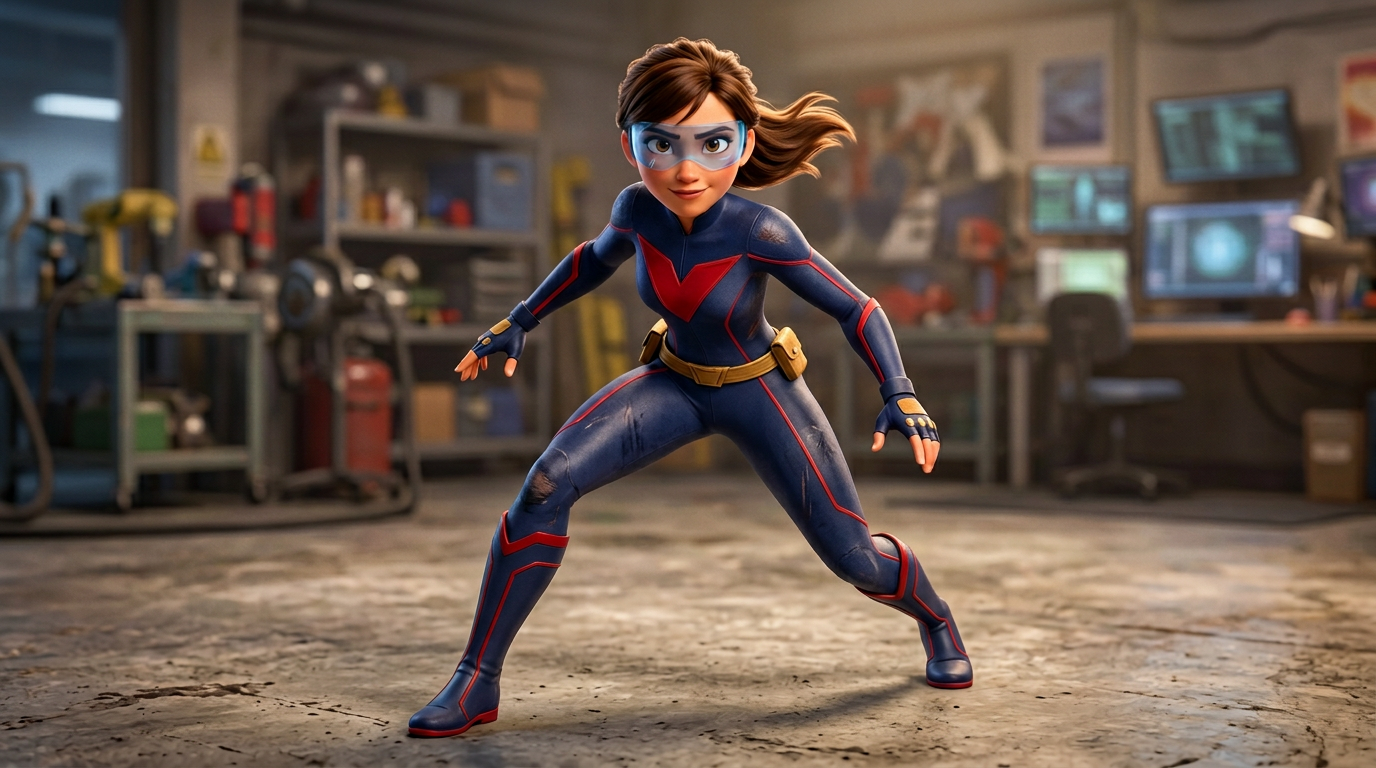
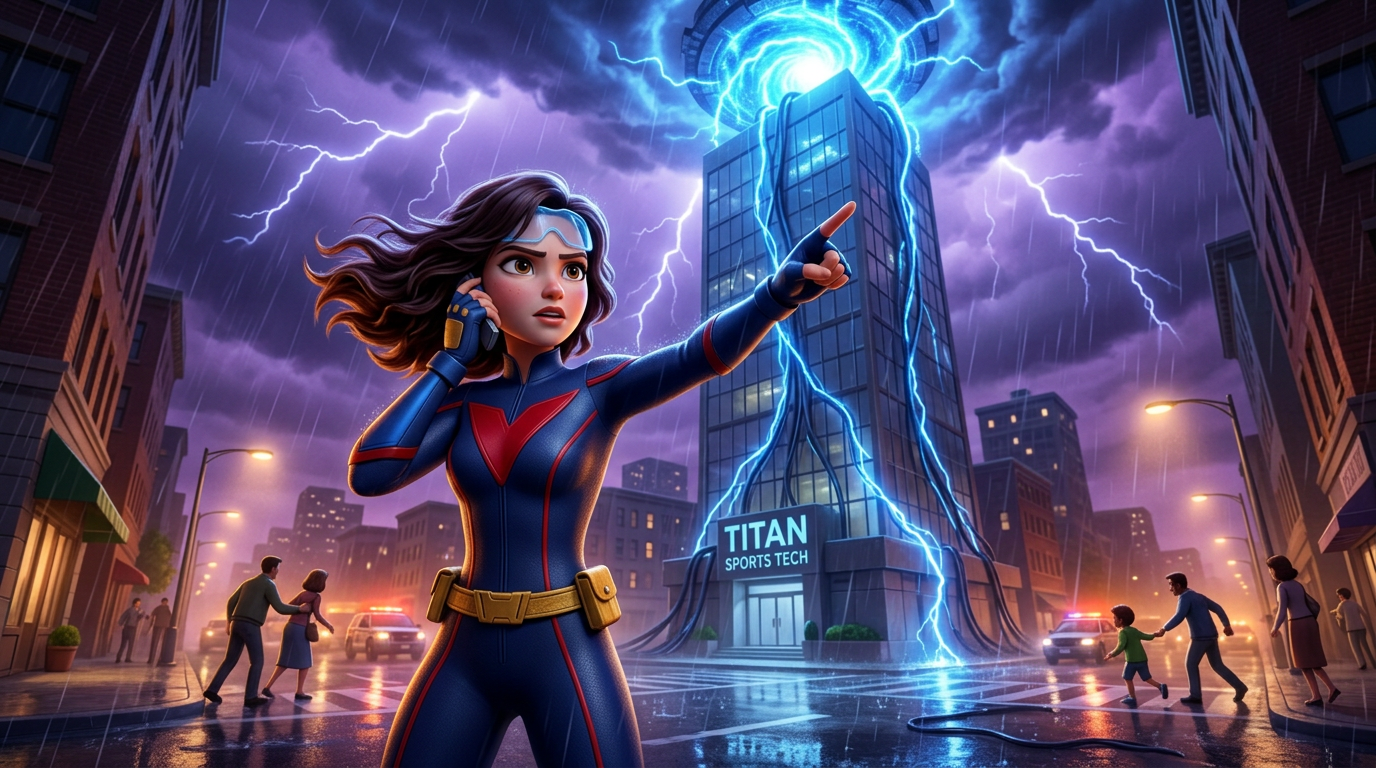
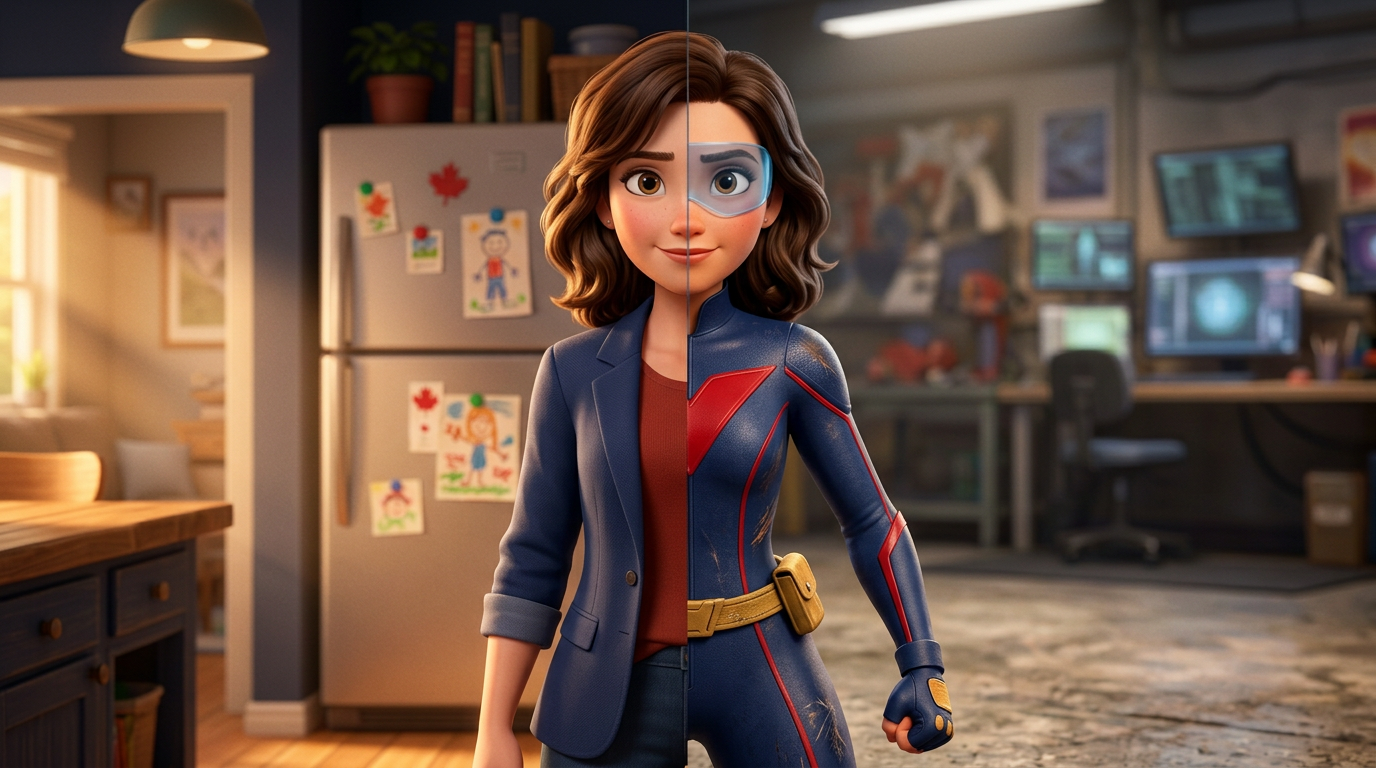
Claire Lavoie — everyday mom and Vela

Claire Lavoie / Vela

The Grounding Force — With Her Own Arc

In Max's imagination, a retired superhero. In reality, a woman who was extraordinary in her own right and chose family over that life — carrying the weight of that choice, and the invisible load of everything Rob doesn't see, alone for years. Her mid-film reveal recontextualizes everything. In Act 3, she doesn't suit up because the family needs her — she chooses to stop hiding who she is. On her terms. B-theme: "Being strong doesn't mean doing it alone."

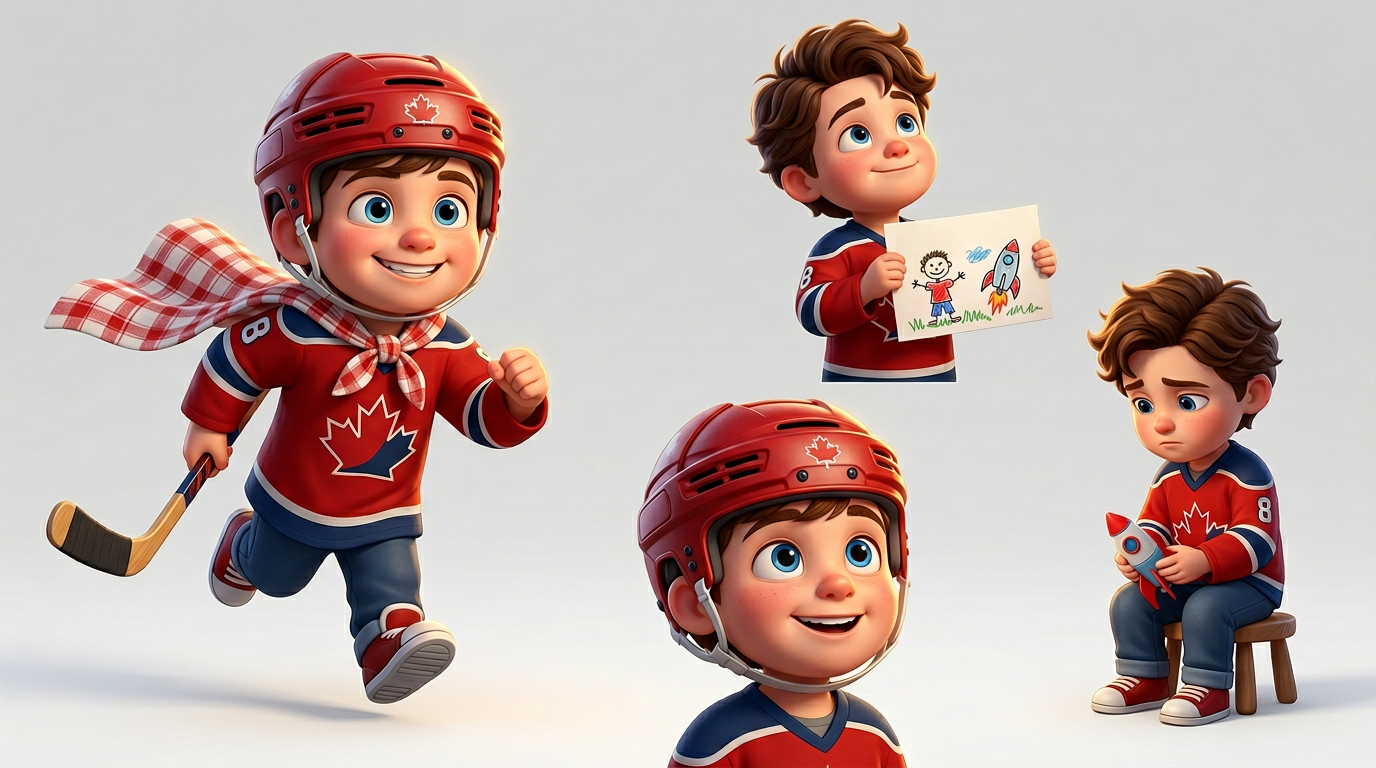
Max Lavoie character sheet

Max Lavoie

The Believer — Tested by Silence

The emotional core of the film. Hockey-obsessed, wildly imaginative, and completely certain his dad is the greatest hero ever. Max narrates Rob's life like a superhero movie — until mid-film, when he outgrows the fantasy. The narration goes silent. When it returns at the end, it's no longer pretend. It's a choice — to believe in both parents.

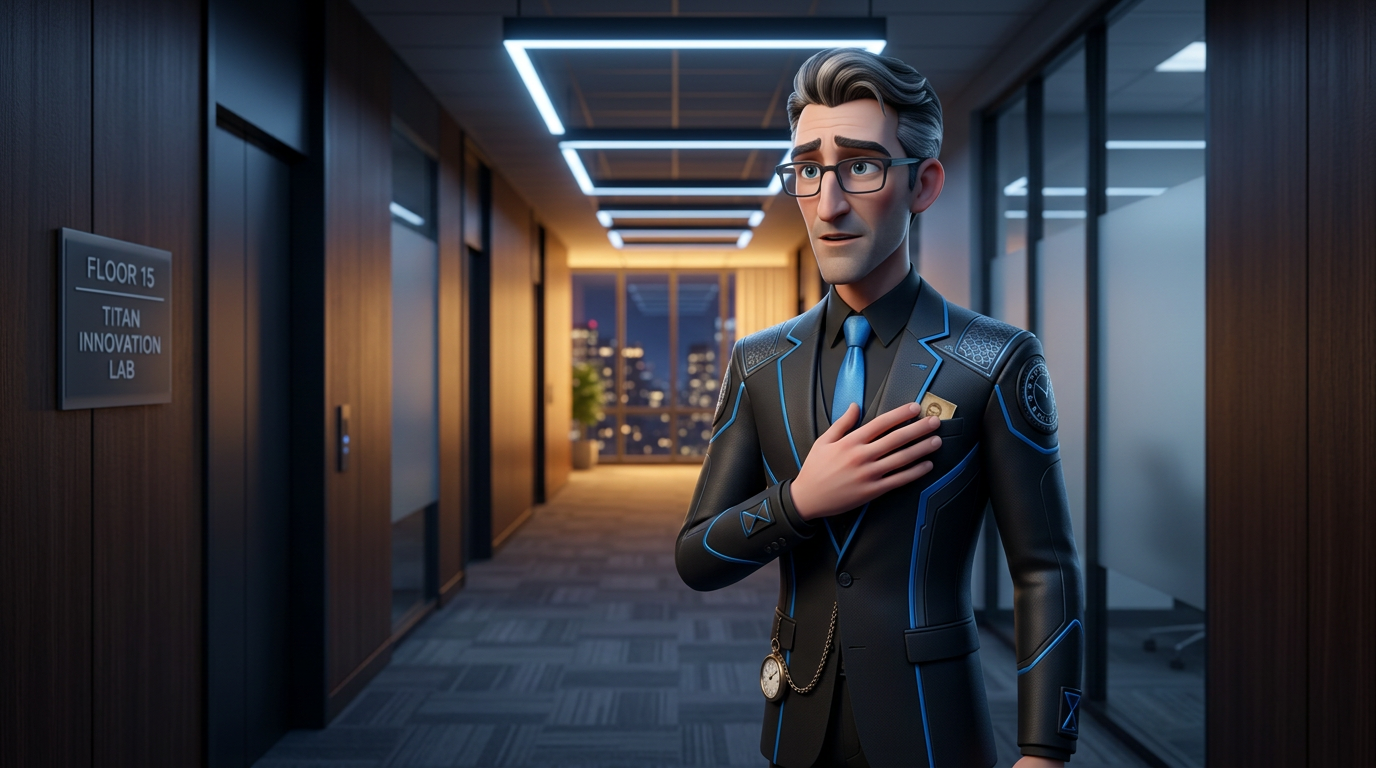
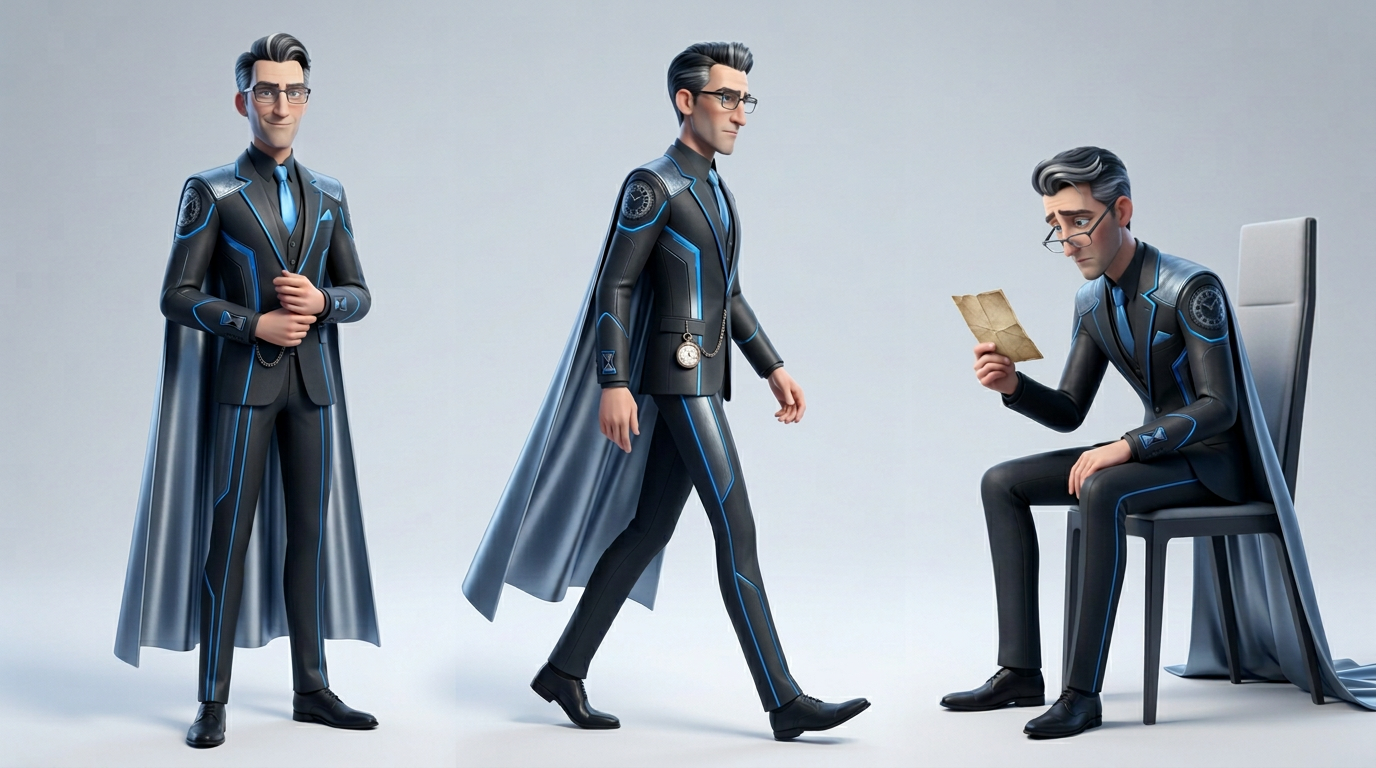
Victor Watt character concept

Victor Watt

The Dark Mirror — The False Answer

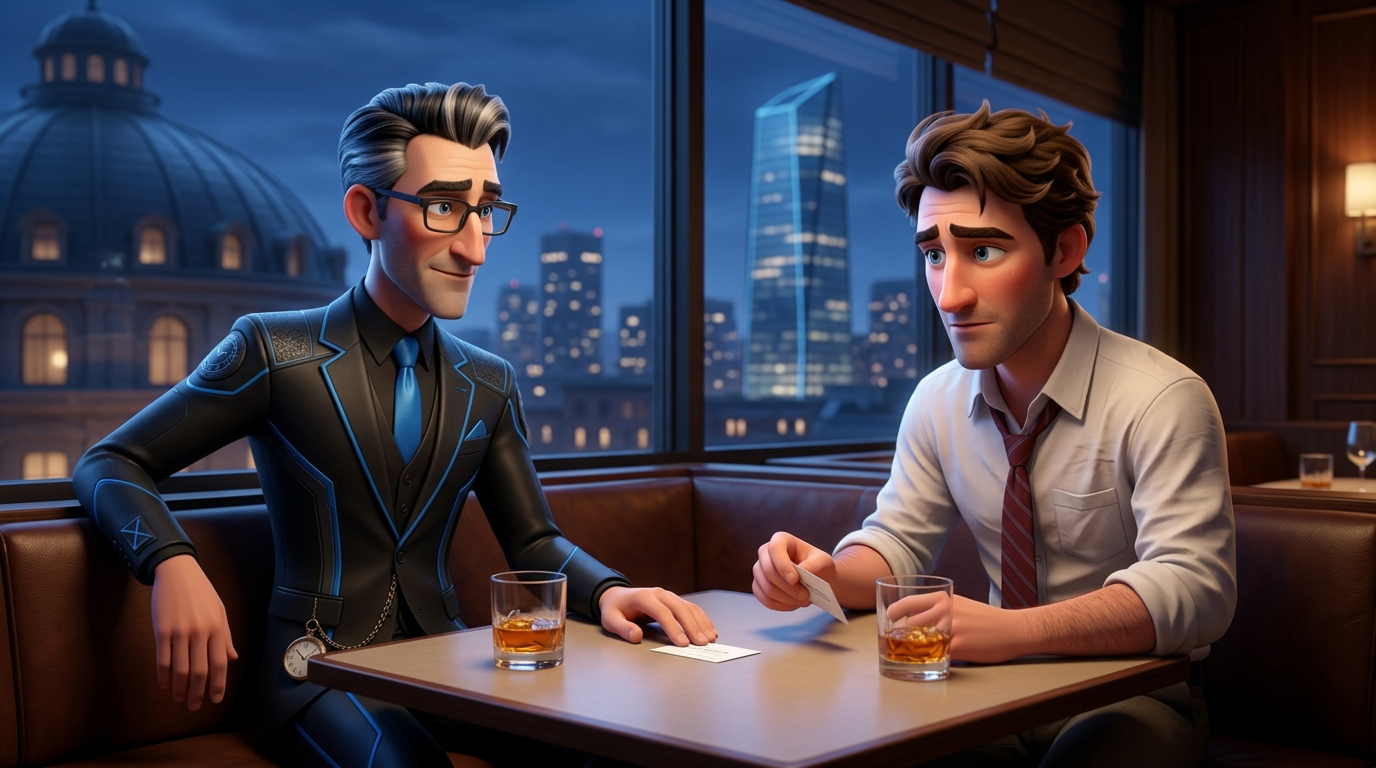
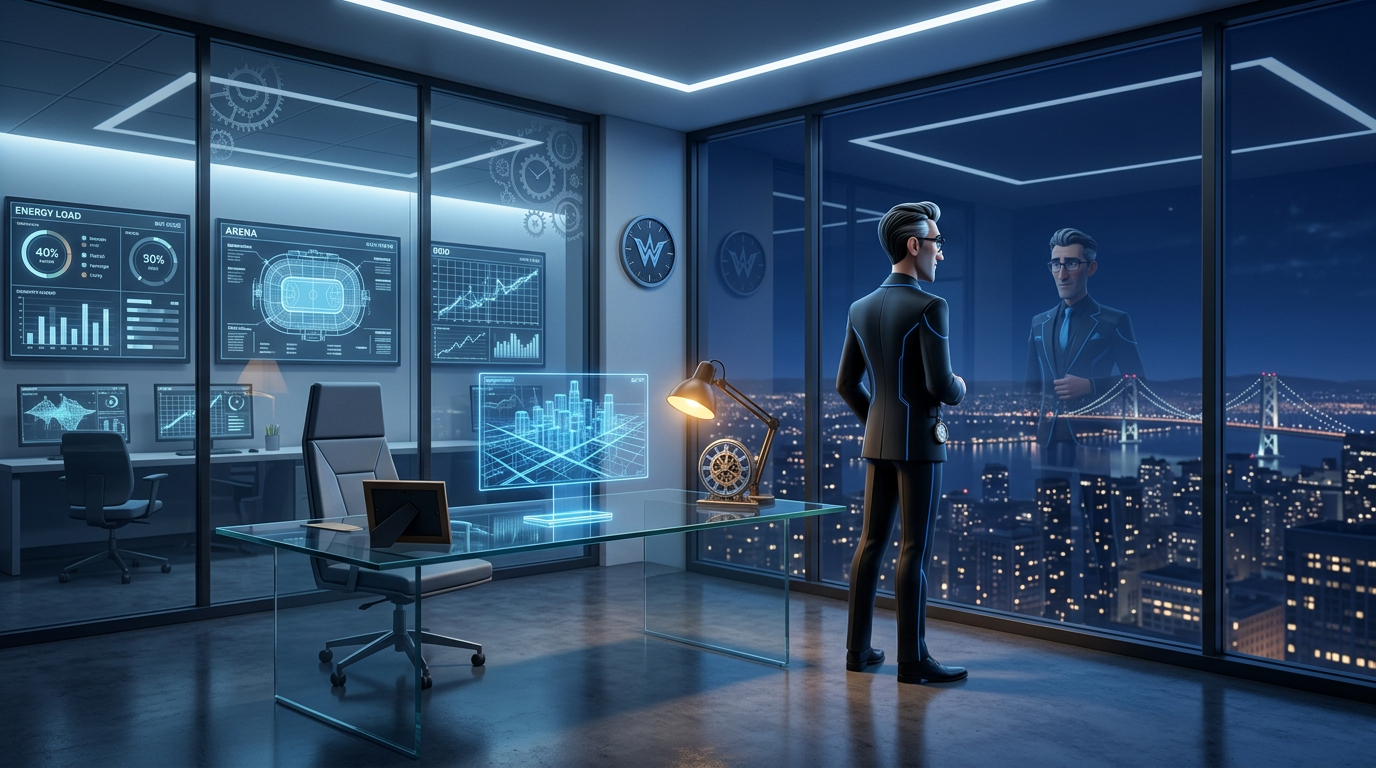
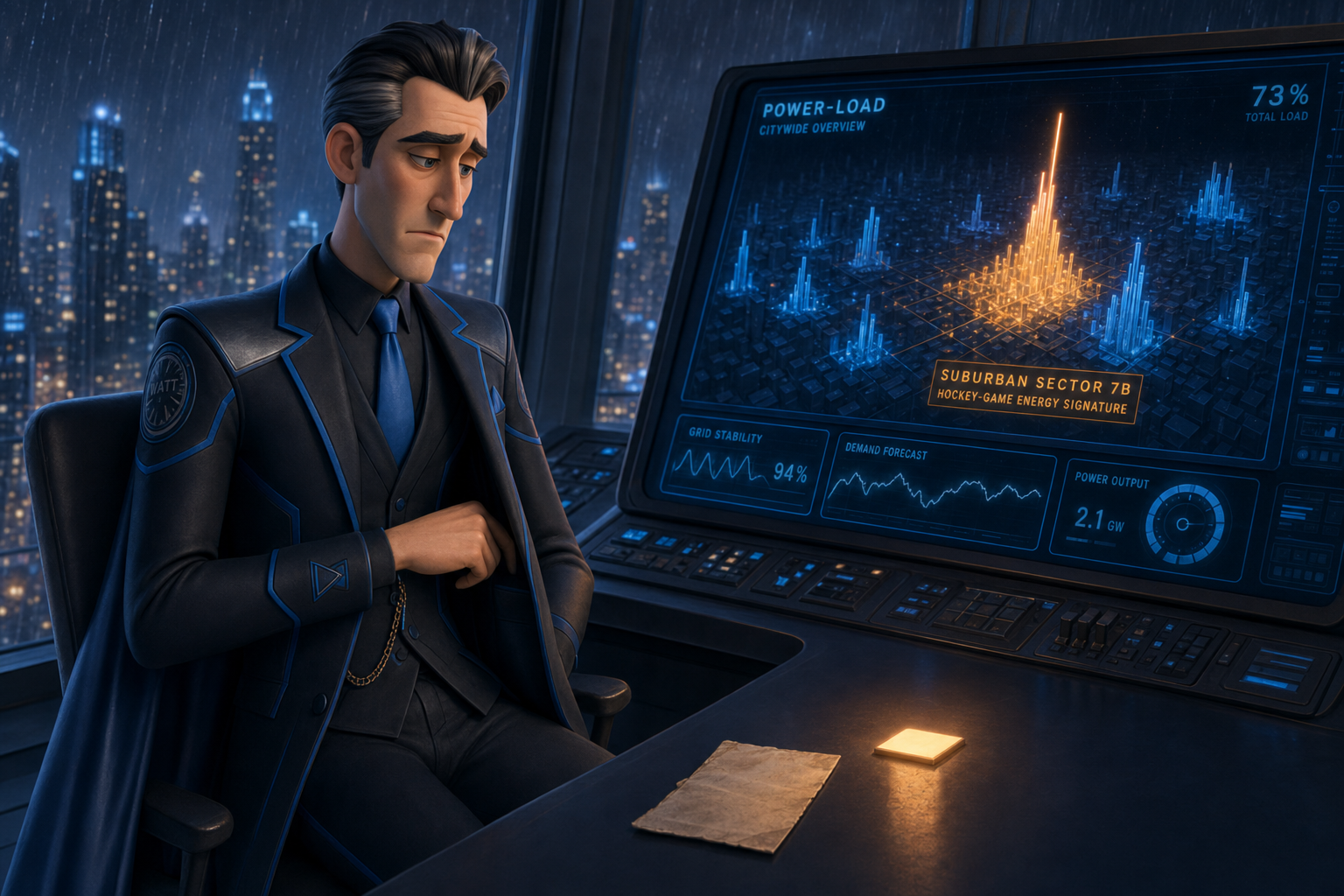
Silver-streaked hair, stylish glasses, clock motifs on every surface. Rob's former colleague at Titan Sports Tech — both worked on arena energy systems. Victor saw what Rob wouldn't: that Titan's technology could control an entire city grid. He left, founded Watt Dynamics, and took the core technology with him. Every time he talks about family, his hand drifts to his jacket pocket — a subconscious gesture he catches and pulls away. In his final moment, he reaches for the pocket deliberately. "I had one of those once." He dissolves — particles of light, a creased photo in his hand. The audience feels melancholy, not satisfaction. He could have been Rob.

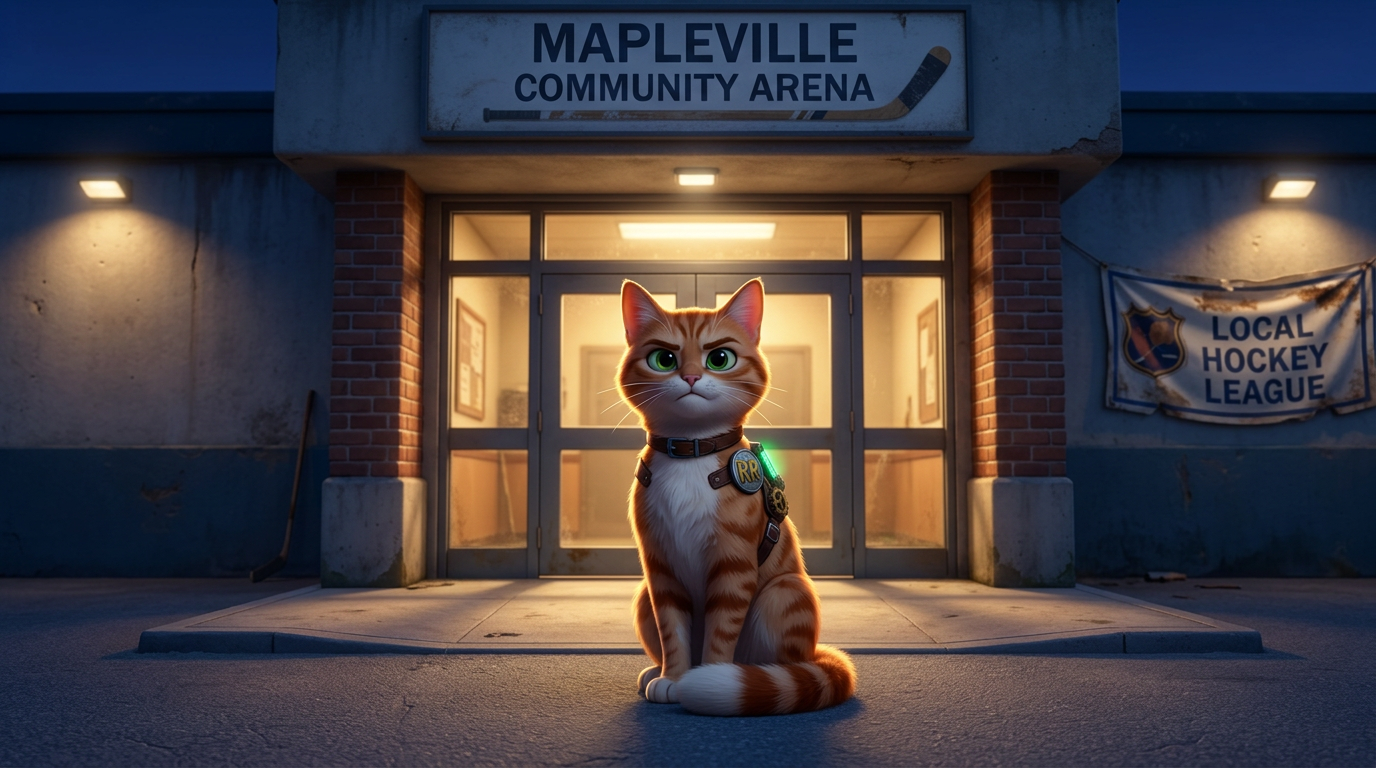
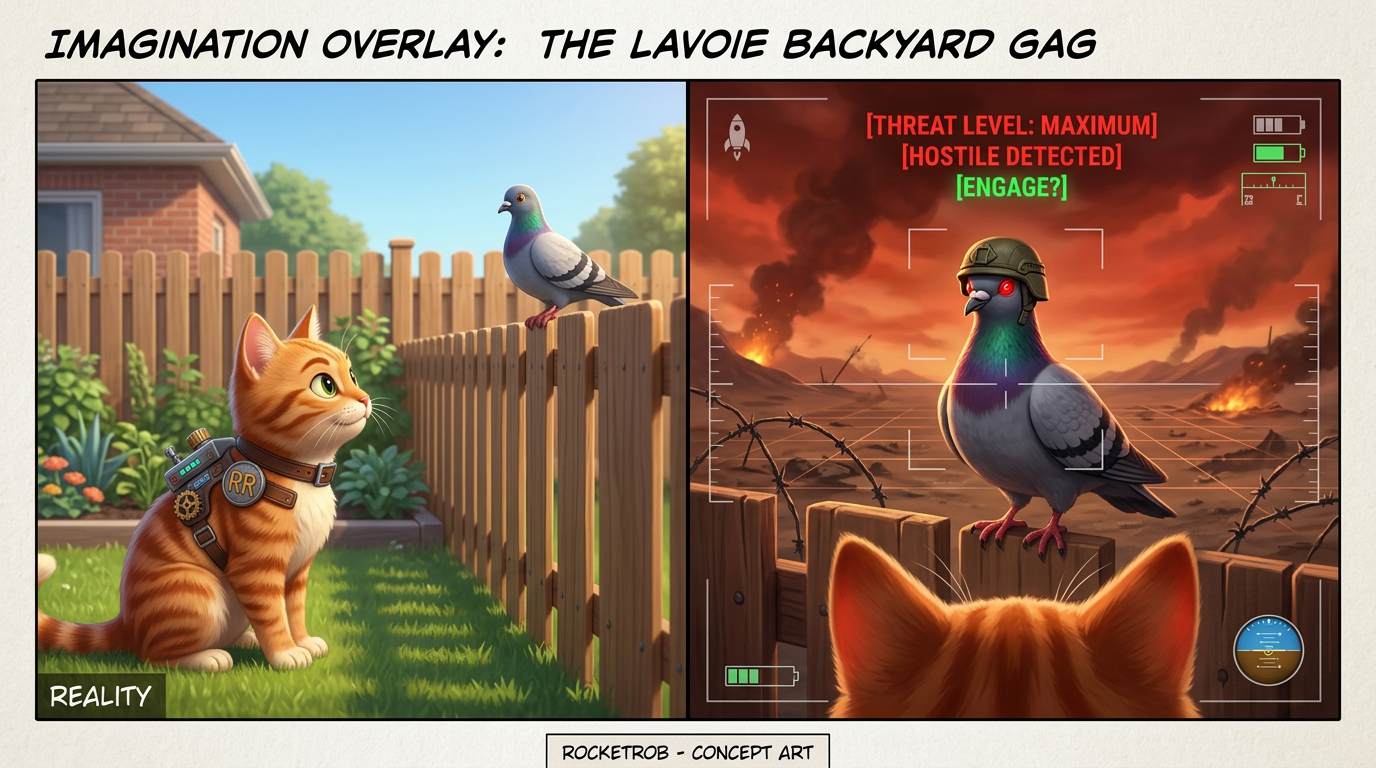
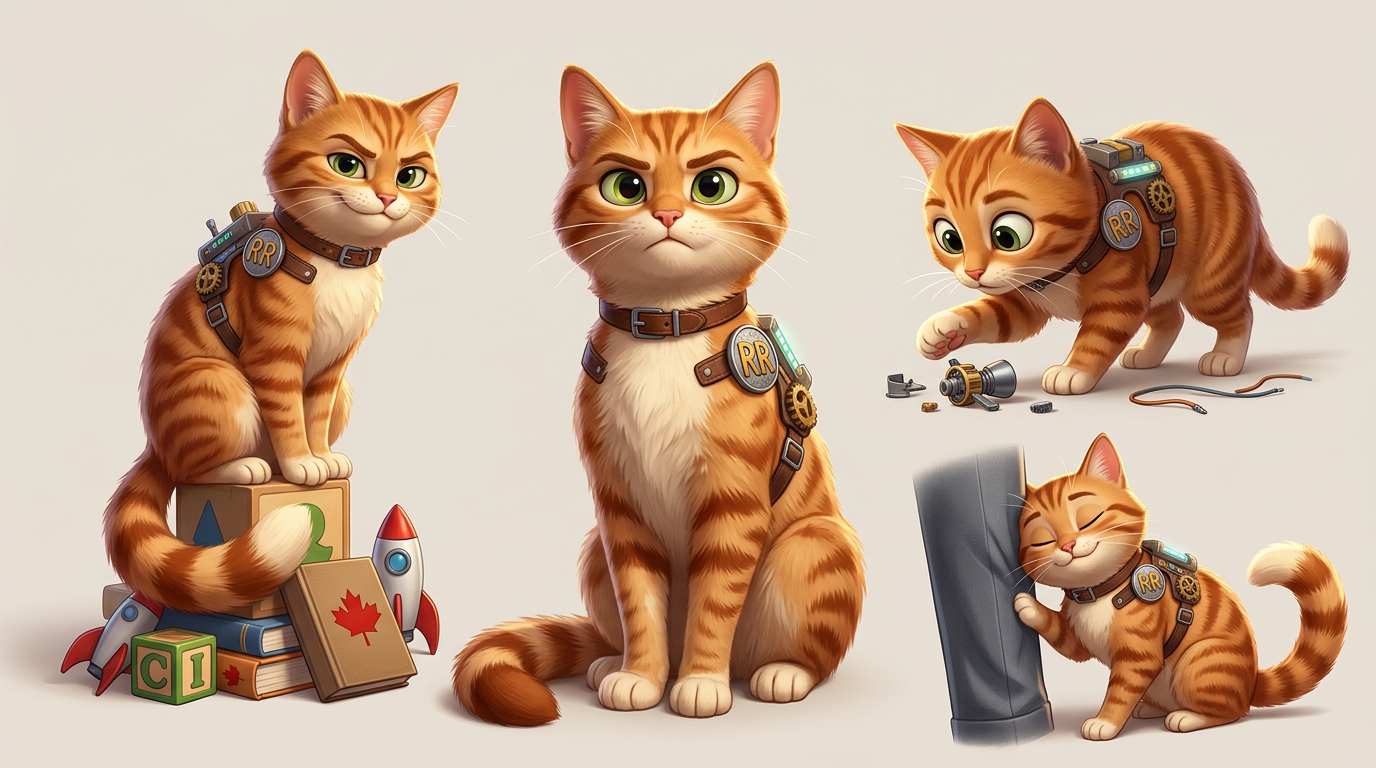
The cat sidekick — Rob's accidental companion

Maple — The Sidekick

Comic Relief with Accidental Truth

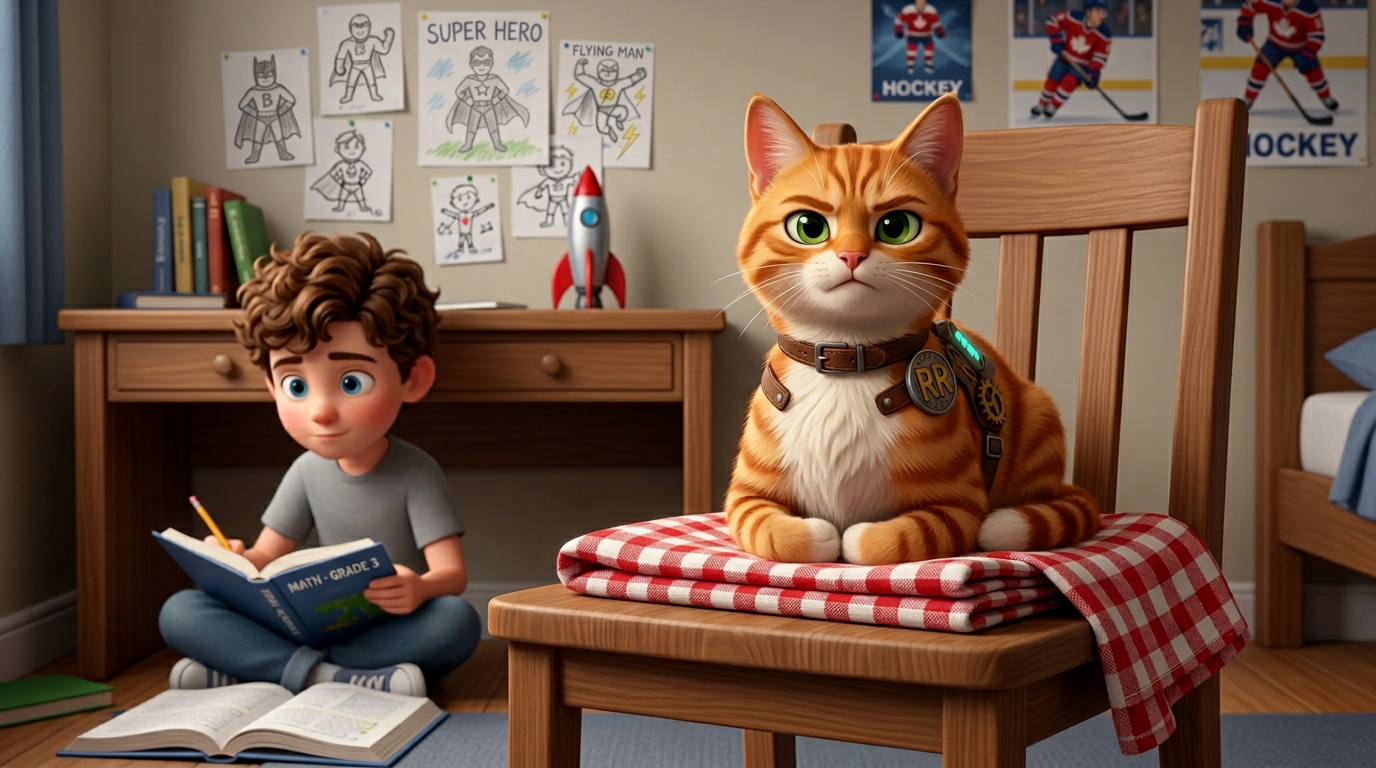
An orange tabby who adopted Rob long before Rob noticed. Wears a repurposed Titan tech harness and a self-applied RR badge that's slightly crooked. Completely literal, utterly loyal, and always underfoot at the worst possible moment. Even the cat slowly learns the theme.

Story Spine

The Pixar Story Spine — one emotional chain of events that powers the entire film.

Once upon a time
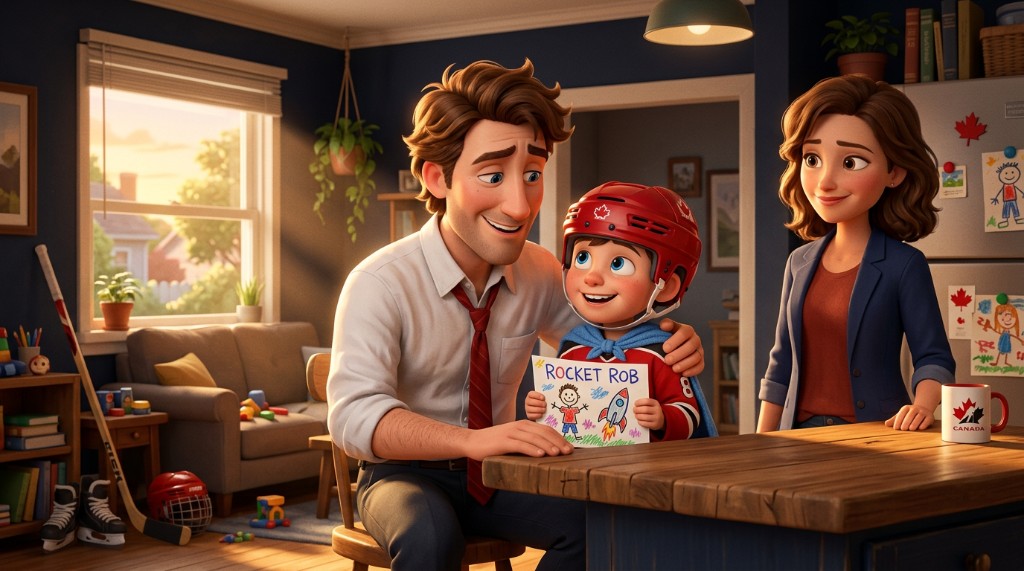
Rob Lavoie was an ordinary dad who worked a demanding job at Titan Sports Tech, rushing between meetings, emails, and deadlines while trying his best to be present for his son Max. But in Max's eyes, Rob wasn't ordinary. He was Rocket Rob — the greatest superhero in the world.
Every day
Rob and Claire traded the morning handoff — he poured coffee, she signed the permission slip he forgot, neither commented on it. Maple the cat sat on Rob's keys and refused to move. Max turned everything into a superhero adventure: fixing the sink was stopping a flood monster, driving to hockey was a rocket launch. Claire moved through it all a little too fast, a little too competent — seeds the audience wouldn't notice yet. And somewhere in the montage of little hero moments, Claire quietly slipped one of Max's drawings behind Rob's belt buckle. Nobody saw it. Not even the audience.
One day
Victor Watt — Rob's former colleague at Titan Sports Tech, now powerful and alone — unveils a machine built on the arena energy systems Rob helped design, scaled to control an entire city grid. Rob recognizes the architecture immediately. "Family makes you weak," Watt tells him, his hand drifting to his jacket pocket. The grid flickers. Rob doesn't have an answer. But Max is watching — and in Max's version, Dad always finds one.
Because of that
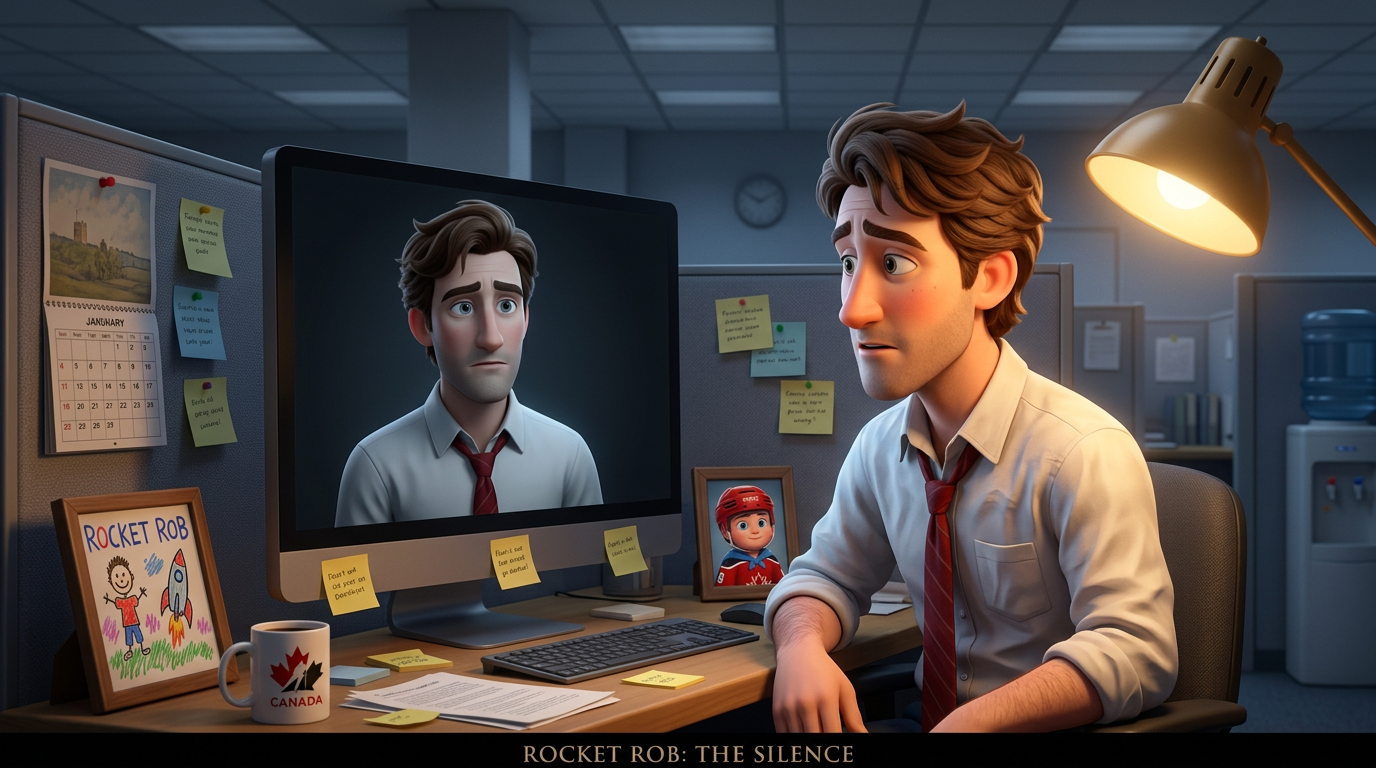
Rob tries to be both — the hero the city needs and the dad Max believes in. But every save costs a bedtime story. He misses Max's game — not the big one, just a regular Tuesday — and the golden seat beside Claire stays empty. Max on the bench: "It's okay... my dad saves bigger things." Rob promises to make the last game of the season. Claire sits on the couch with a book she isn't reading: "He wanted to tell you himself." "I'll talk to him in the morning." "You said that Monday." Coach Hank watches from the rink: "When a kid stops looking forward, something at home changed." Rob catches his reflection in a dark computer screen — for one frame, it looks polished, successful, empty. Then Max's narration stops. No announcement. The action figures go in a drawer. The magic track goes silent. The hero diminishes.
Until finally
Claire reveals she was extraordinary — in Max's imagination, Vela the superhero; in reality, a woman who gave up a remarkable life for her family and nobody noticed. Rob realizes he's about to sacrifice the family for who he's pretending to be. In the dark hallway, both in suits, masks pushed up, Claire reaches for his belt buckle — checking. The drawing she planted months ago is still there. "Game's at seven." "Then we finish this before seven." Together — for the first time as partners — they face Watt. Claire coordinates the ground. Rob takes the sky. They're faster together. He finds Max's drawing behind the buckle: "My Dad Saves The World." The drawing doesn't give him powers — he's already made the choice. Rob recognizes Watt's machine — Titan's arena architecture, the system he helped design. He shuts it down like an overloaded arena grid: methodically, absorbing the overload himself. An engineer doing what he knows. Watt: "Why?" Rob: "You already know why." Watt reaches into his coat pocket — the one he's been touching the whole film. "I had one of those once." He dissolves — particles of light, the photo, the storm clearing. Then Rob and Claire look at each other on the rooftop. Exhausted. "What time is it?" They run. Not fly. Run. Two parents changing in the car, pulling jackets over bruised arms, racing across a parking lot — not to save the world, but to make a hockey game. They slide into the arena seats during the second period. The golden seat — the one that was empty on that regular Tuesday — fills. Max got there with his teammate's family — the Barretts. He glances up from the bench. Sees his dad. Then his mom beside him. His face changes. He pulls his helmet down and plays the best shift of the season. After the game, Coach Hank: "You're gonna miss some games. Just don't miss the ones that matter. And you're here." Maple at the entrance. "You came too?" Everyone came.
Ever since then
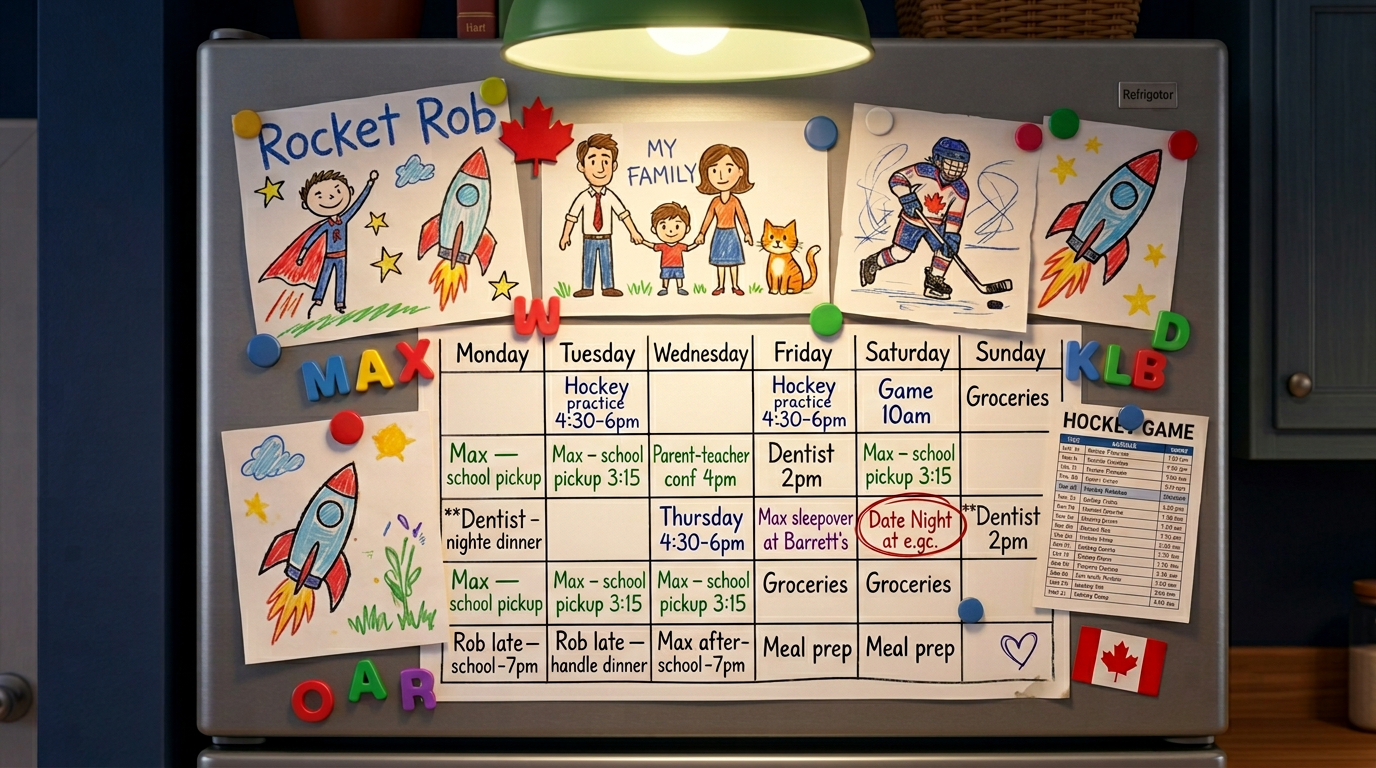
Rob still has a normal job. Claire chose to stop carrying it alone. She let Rob in. Rob, for the first time, let her lead. In the bedroom: "Did you save the world?" "Something like that." "I knew it." In the kitchen: Claire crosses to him. Leans against his shoulder. The fridge drawings say it all. They stand together. Equal. Present. And Max's voice returns one last time — soft, sleepy, certain: "Every family has heroes. Ours has the best ones." Not a kid playing pretend. A child who outgrew the fantasy, sat in the silence, and chose to believe in both parents.
Key Scenes

Fourteen signature scenes that define the emotional architecture of the film. Each works on two levels — adventure for kids, real feeling for parents.

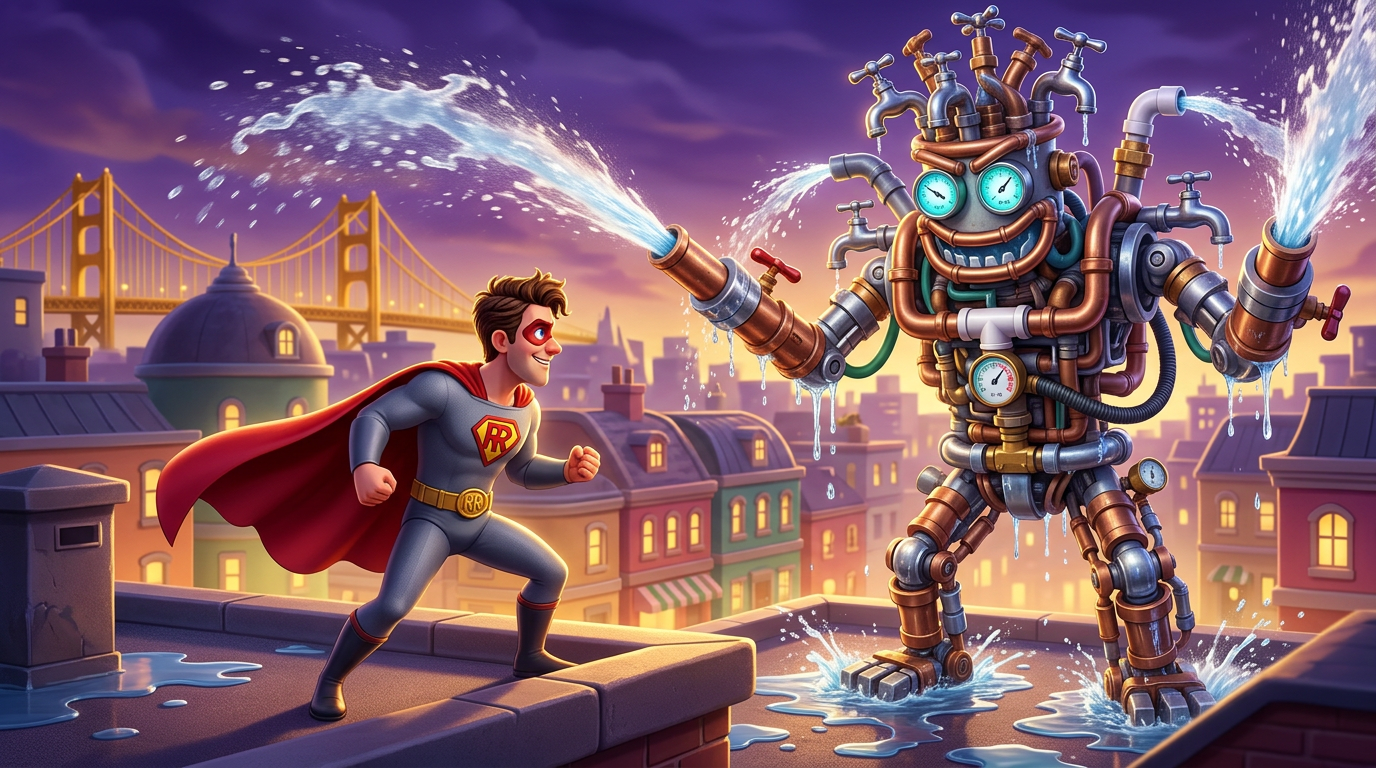
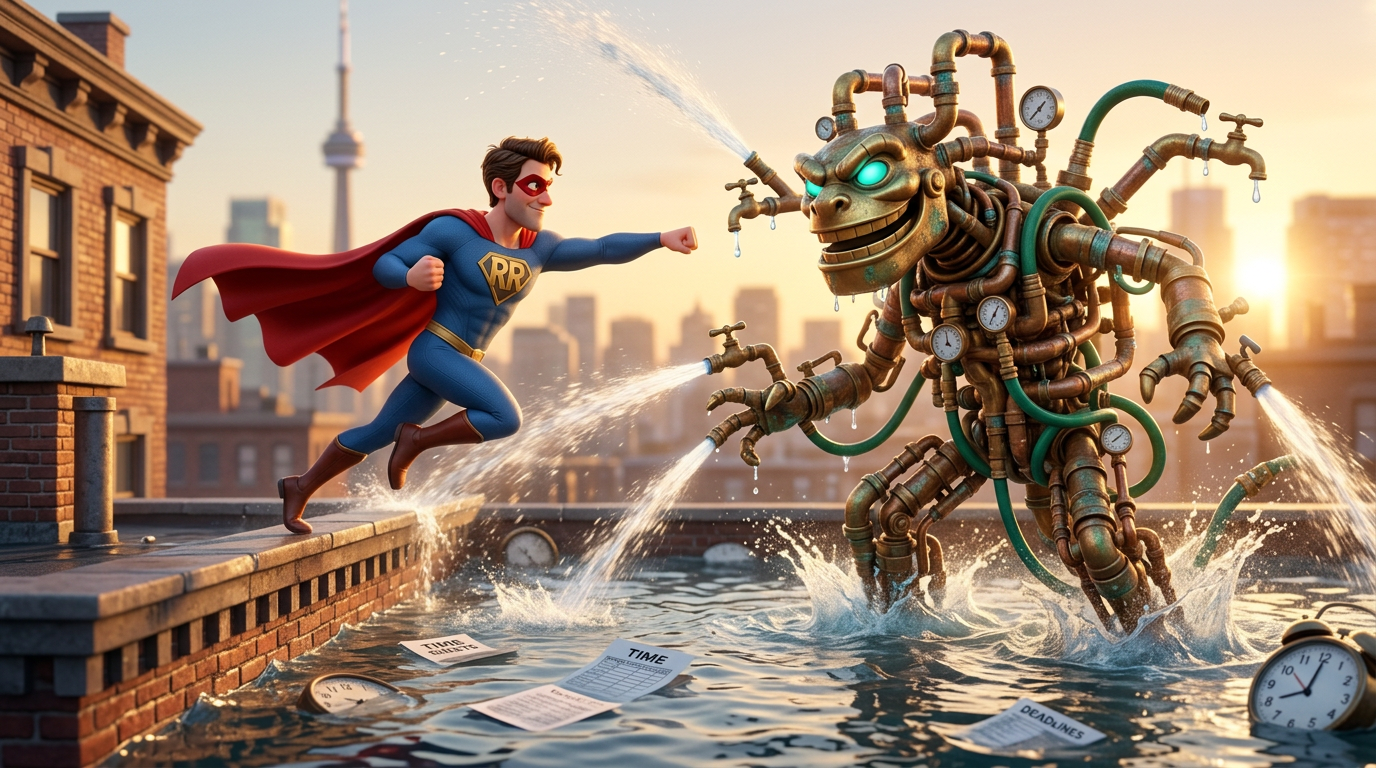
Rocket Rob vs. Hydro Rex — the epic opening imagination battle

The Greatest Hero Ever

Opening Sequence — Max's Imagination

Rocket Rob battles Hydro Rex — a towering plumbing-contraption villain built from pipes, faucets, and valves — water blasting everywhere. Then a hard cut: Rob is under the kitchen sink. The "Ultimate Flood" was a leaky faucet. Max's imagination did the rest.

"Did the city survive?" — Claire
"Barely." — Rob
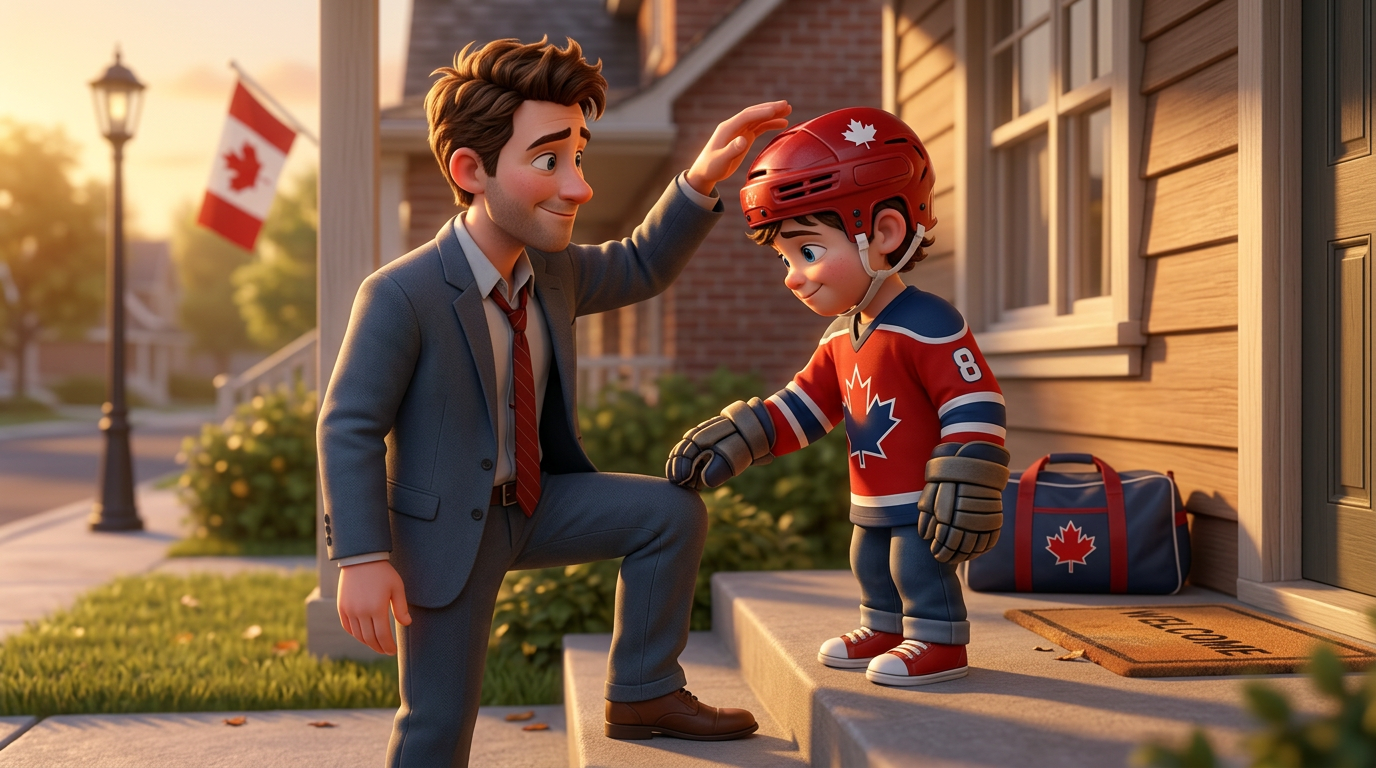
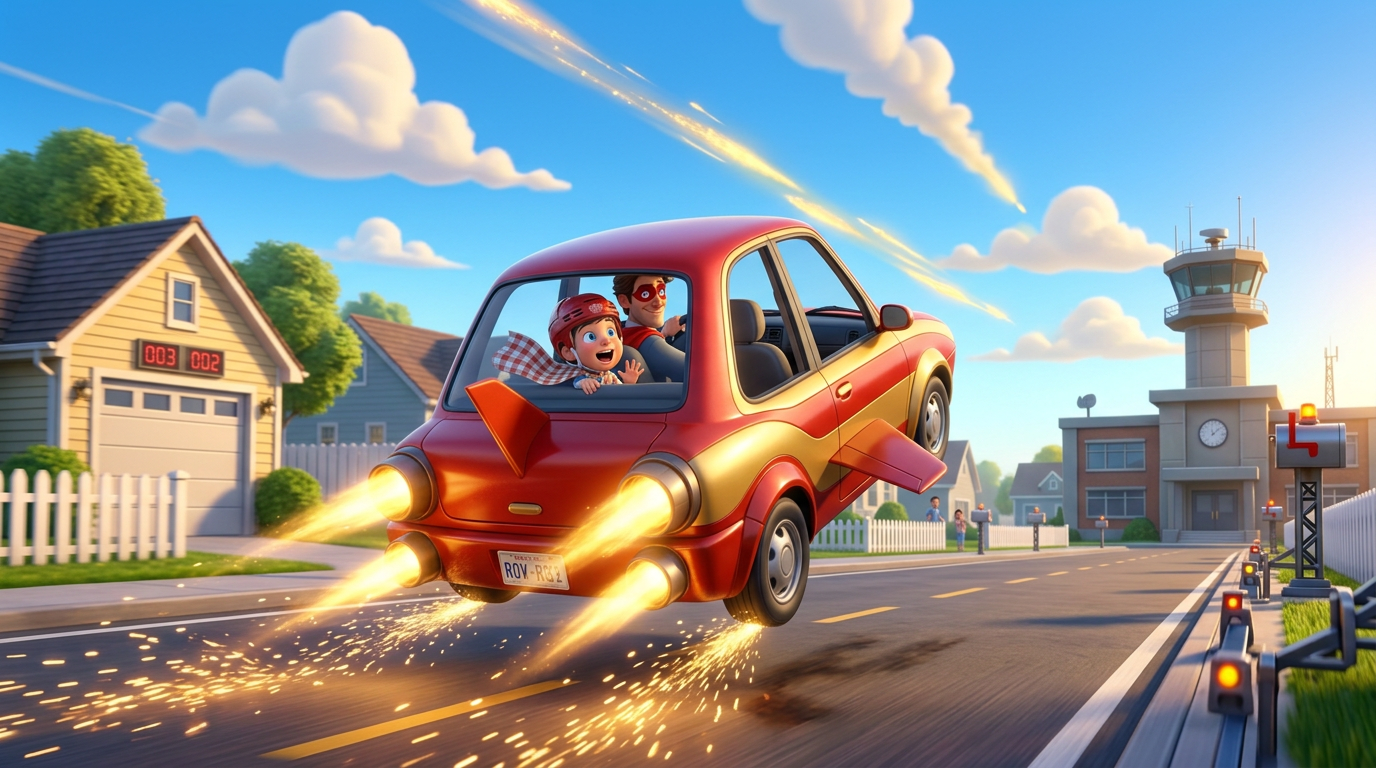
The Rocket Launch — family car becomes a rocket in Max's imagination

The Rocket Launch

School Drop-off — Max's Imagination

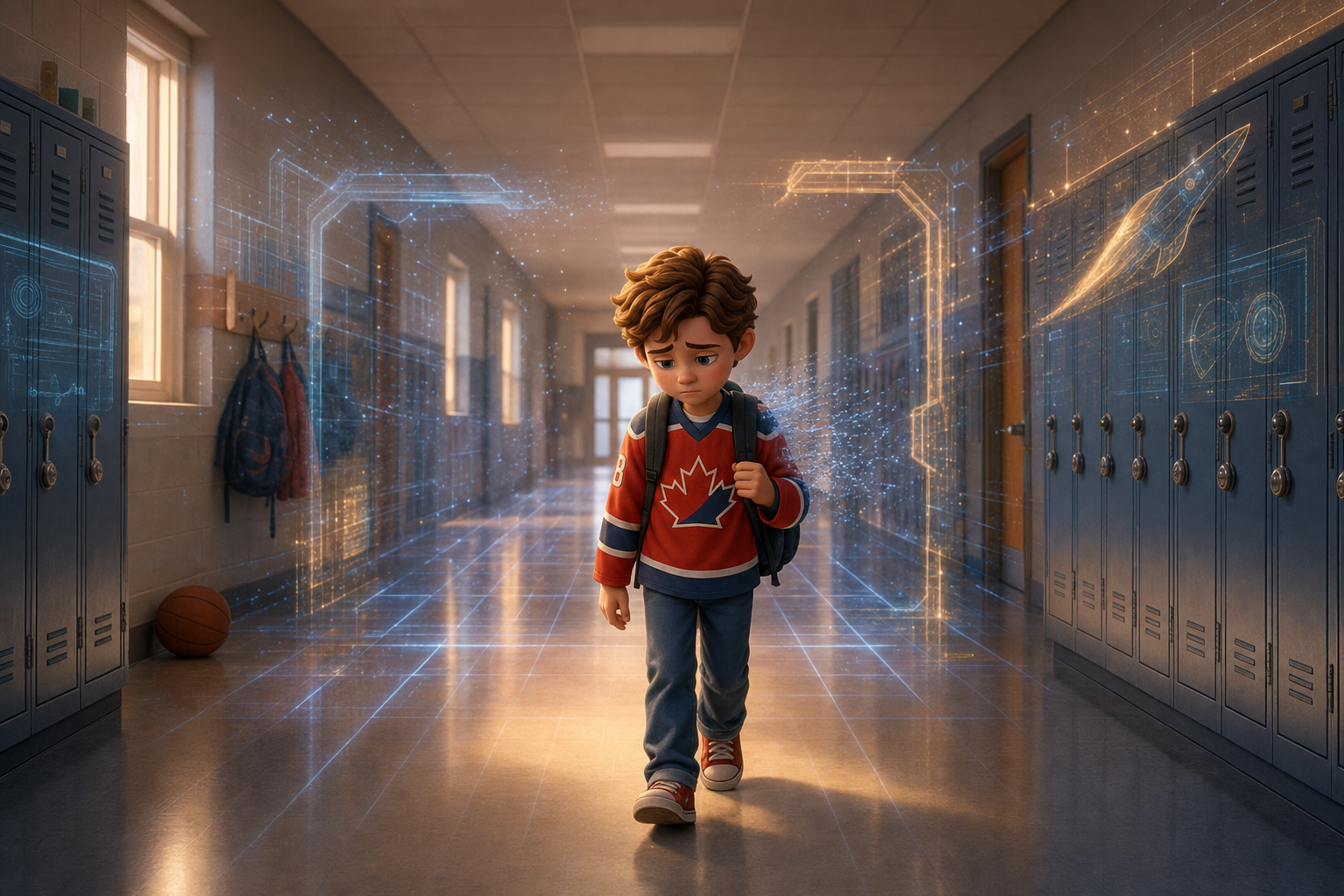
Every morning, the driveway becomes a launchpad. The family car transforms into a red-and-gold rocket. The street is a runway. The school is Mission HQ. Rocket Rob is at the controls. This is what belief looks like at full power — before the silence takes it away.

"Rocket Rob returns from a secret mission. The sidekick waits in the transport pod." — Max
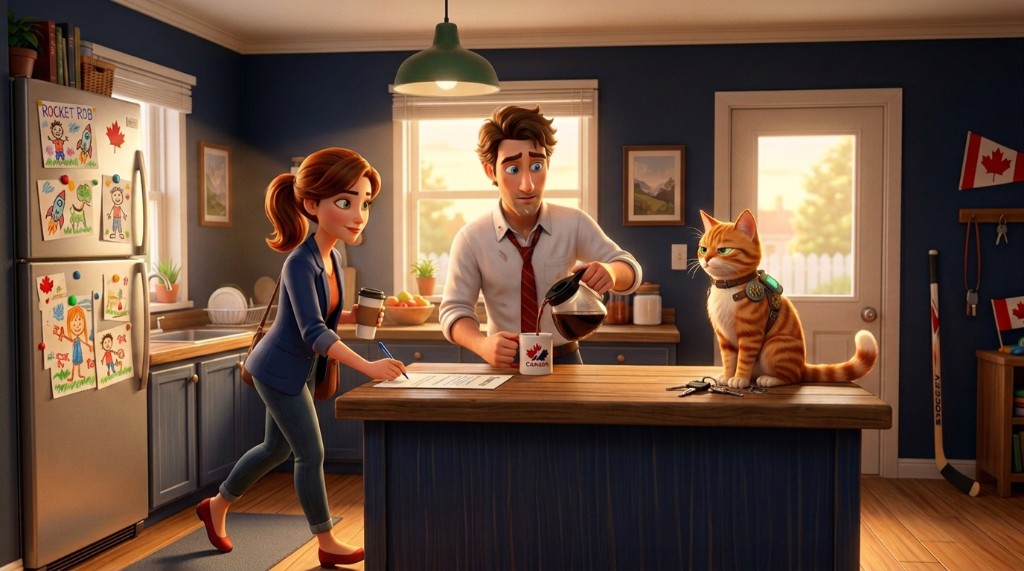
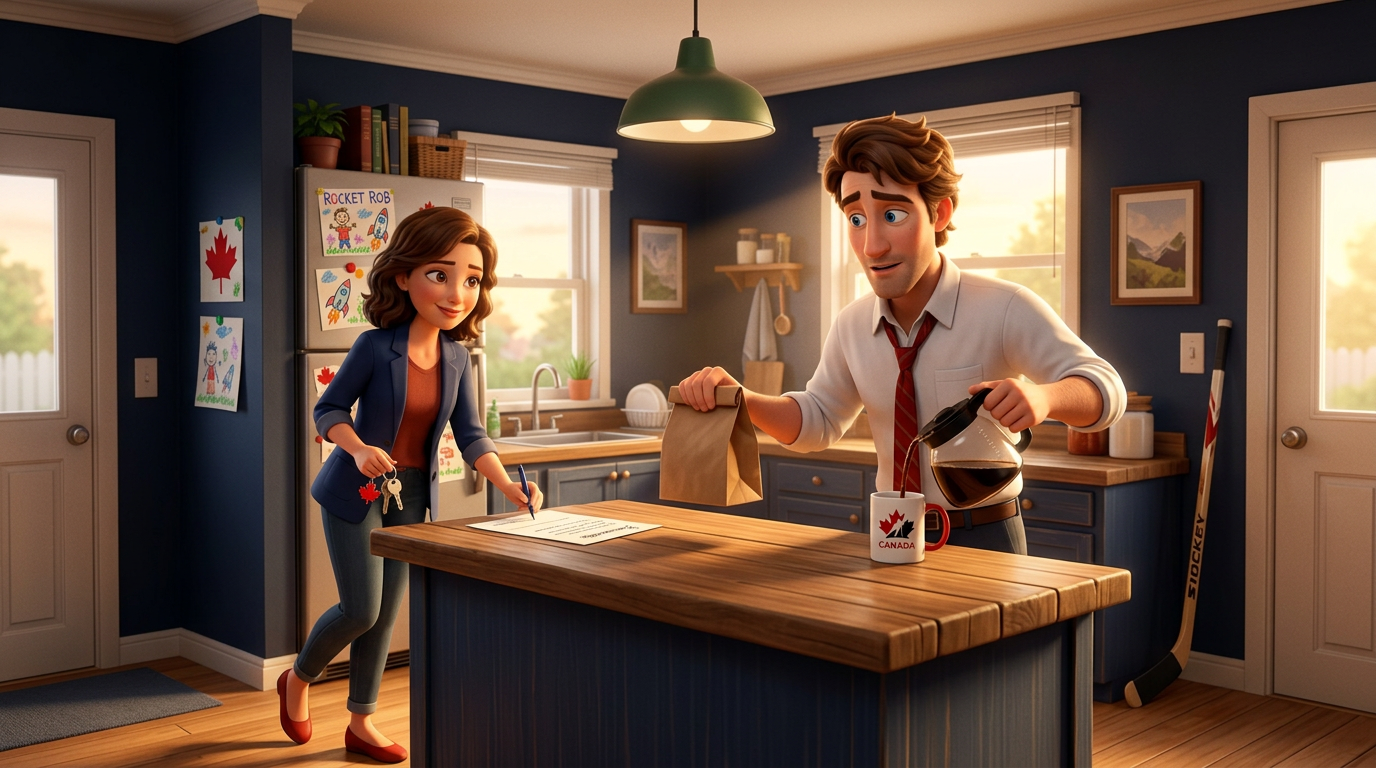
The Handoff — morning kitchen routine

The Handoff

Marriage — Act One

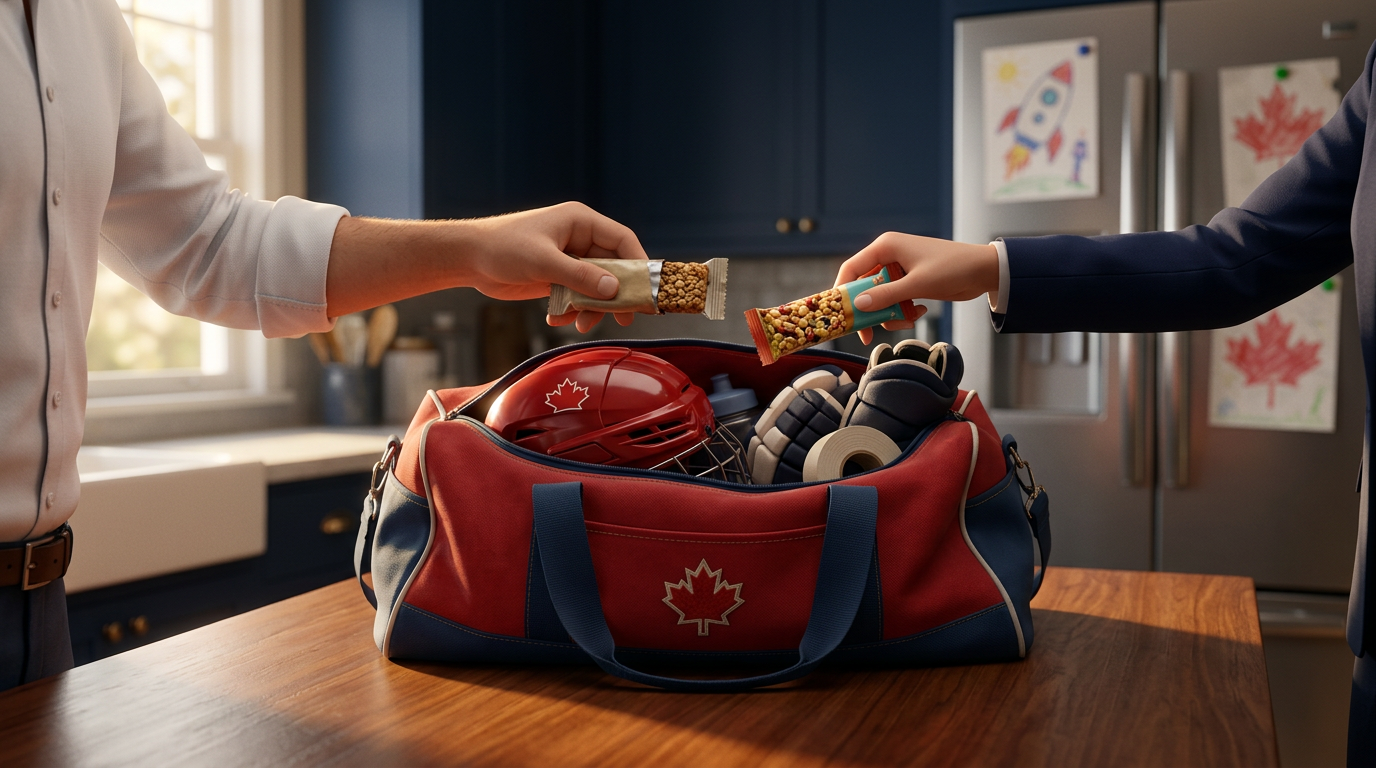
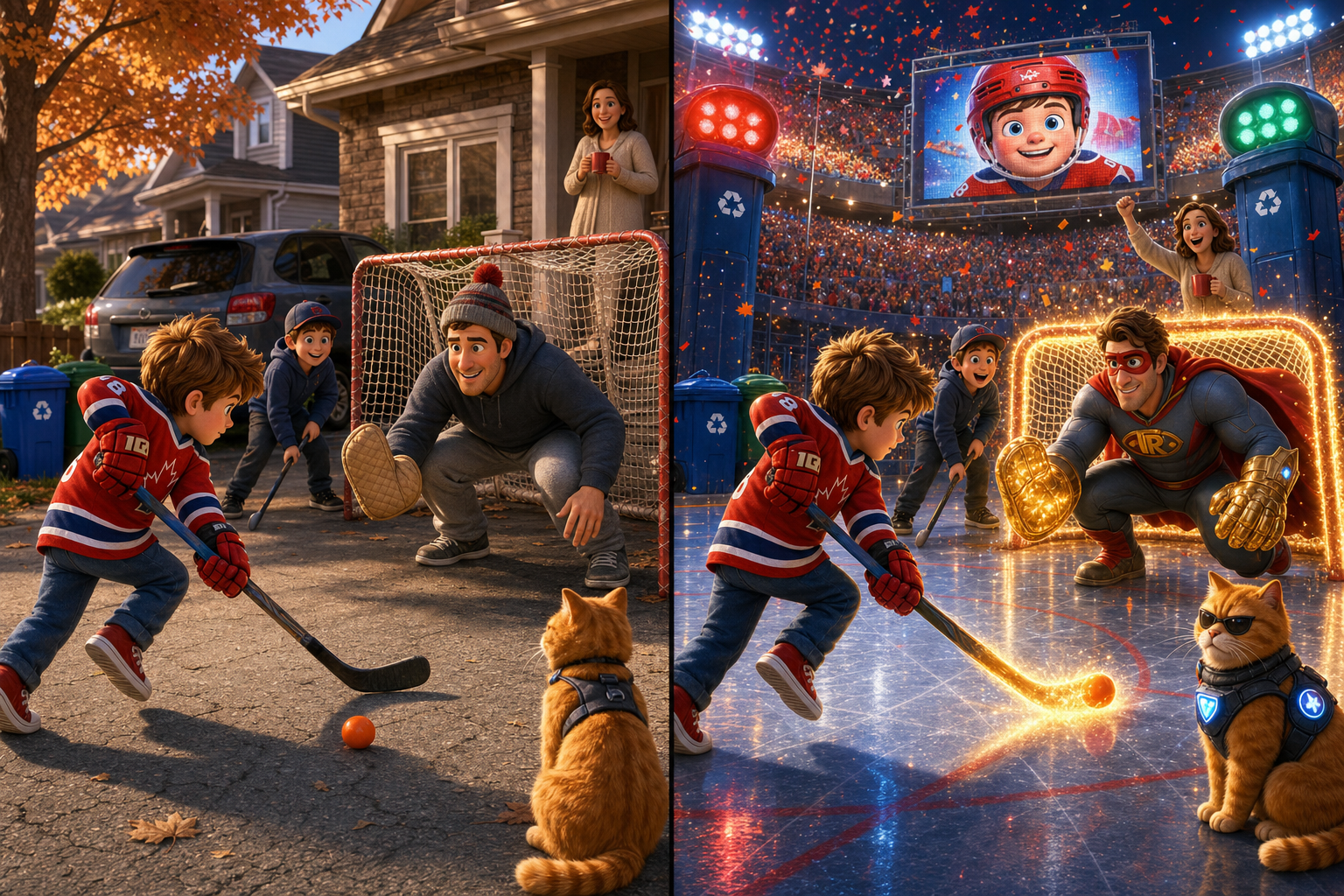
Morning kitchen. Through the window, Max plays street hockey with a neighbor kid — texture. Inside, the quiet after he leaves. Rob pours coffee. Claire signs the permission slip. At the door, her eyes drift to the locked hallway closet before she goes. Maple sits on Rob's keys. The marriage in two minutes: warm, real, slightly frayed.

"I might be late tonight." — Rob
"I'll handle bedtime." — Claire
"You always do."
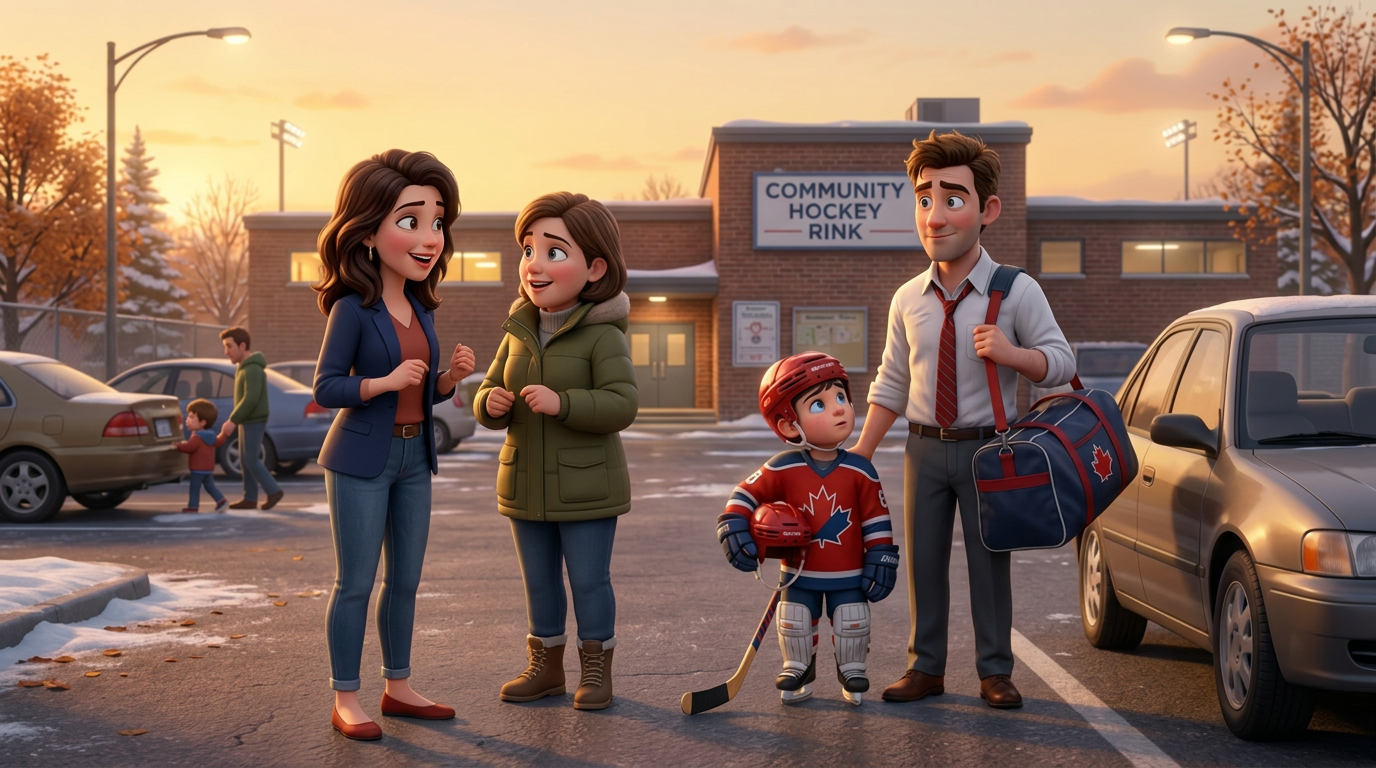
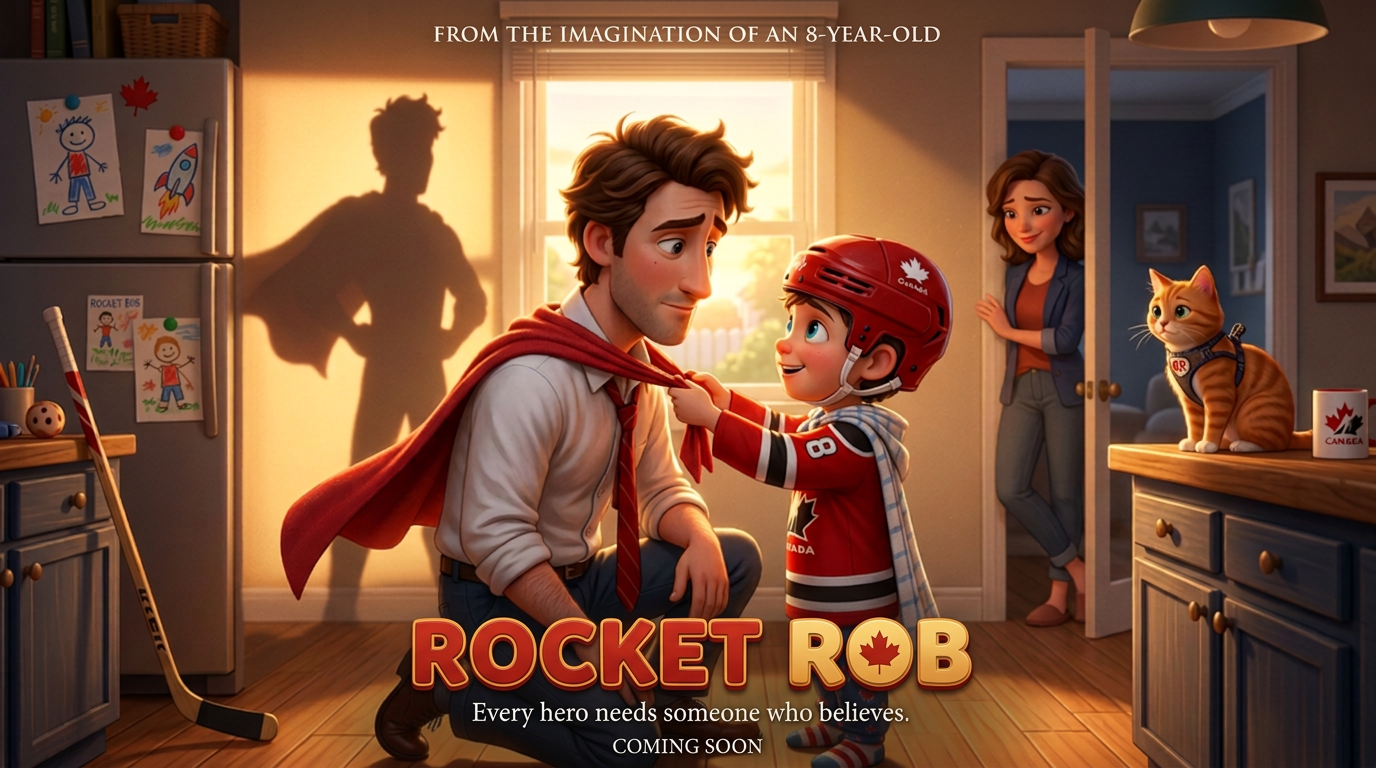
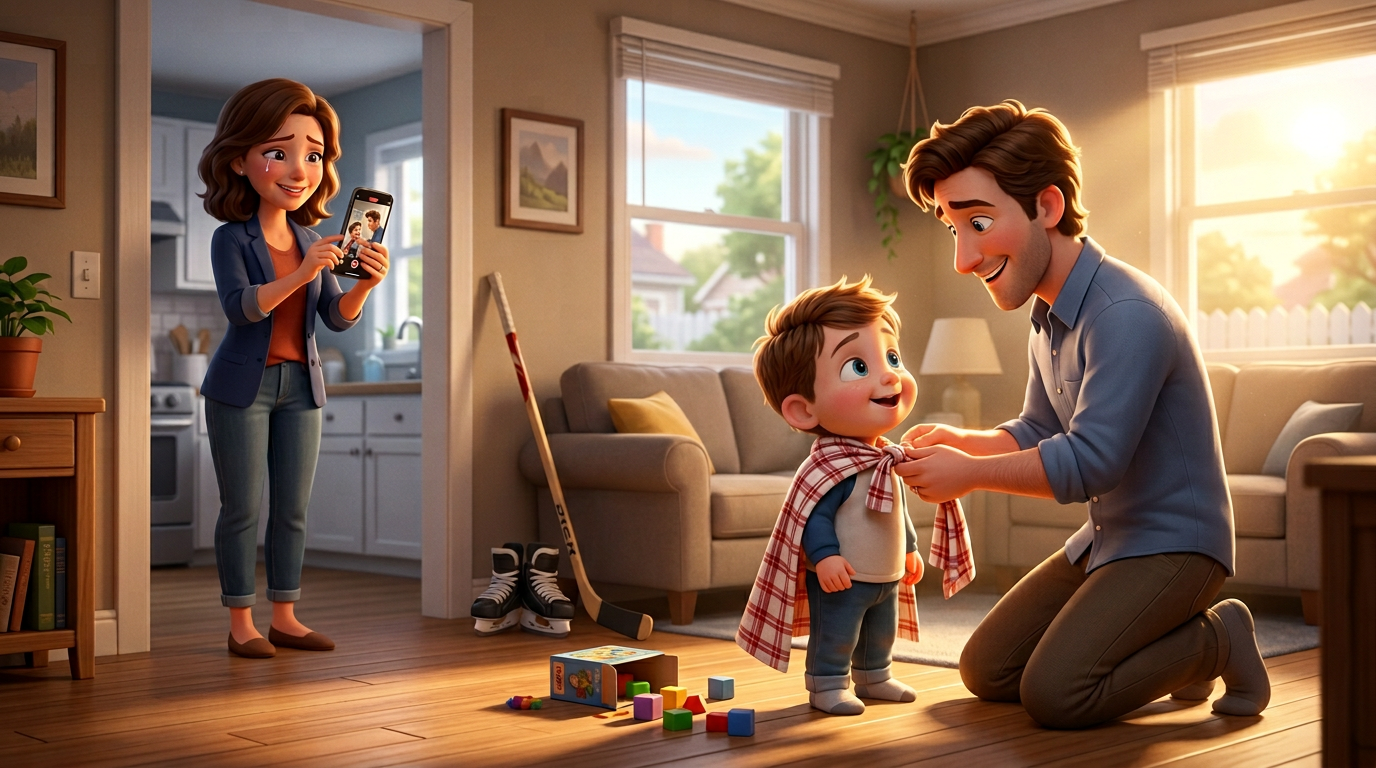
Rob tying a dish-towel cape on little Max

Little Hero Moments

Silent Montage

The Up-style montage. No dialogue. Piano and guitar. Tiny Max in a dish-towel cape. First time on skates. Drawings on the fridge. And one silent shot: Claire slipping Max's drawing behind Rob's belt buckle. The audience thinks she's tidying up.

"Every hero needs a sidekick." — Max's drawing
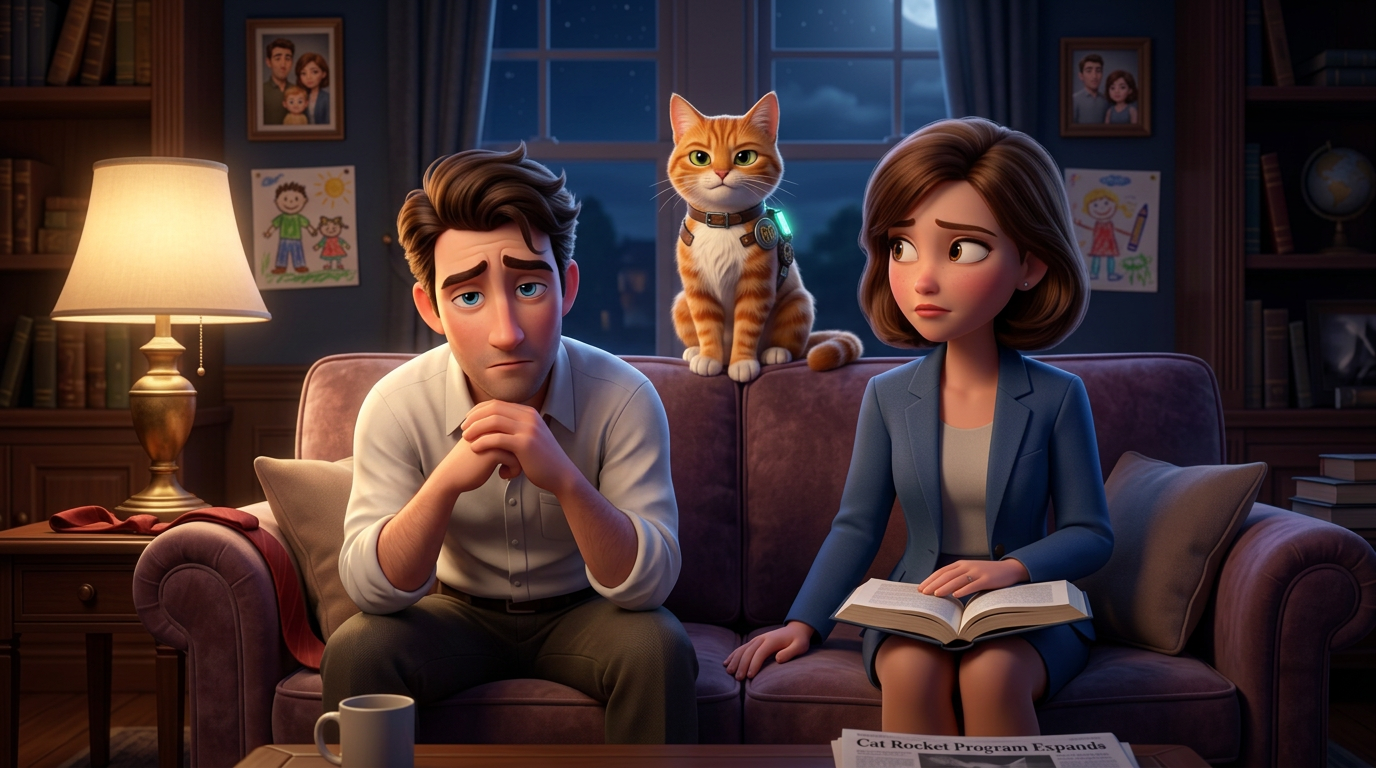
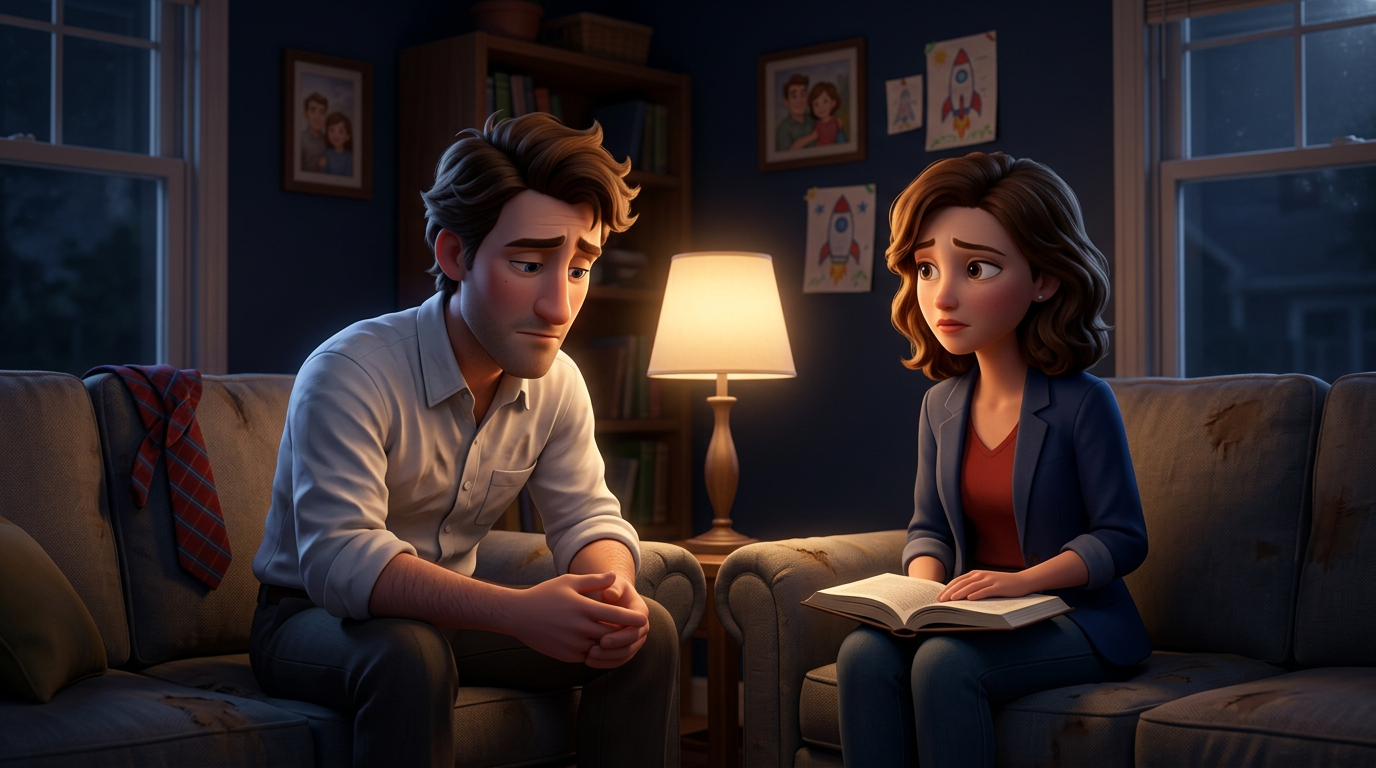
The Couch — late night, single lamp

The Couch

Marriage — Act Two

Late night. A book she isn't reading. Claire doesn't ask where Rob was. The distance between them is small but specific. Maple walks across the couch back. Nobody sees the harness blink.

"He wanted to tell you himself."
"I'll talk to him in the morning."
"You said that Monday."
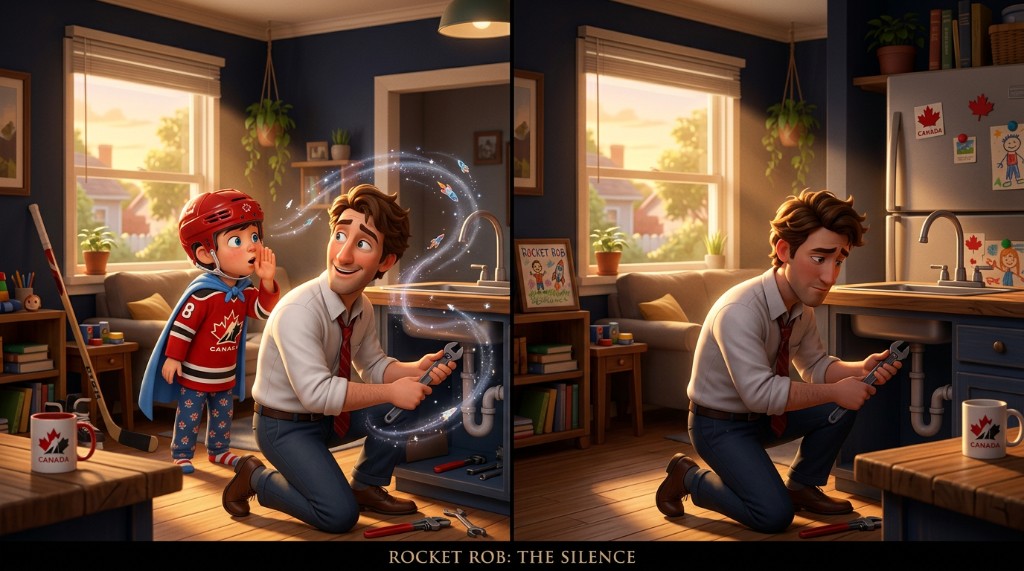
The Silence — with belief vs. without

The Silence

The Disappearance

Mid-film, Max stops narrating. No announcement. The action figures go in a drawer. The dish-towel cape stays folded on the chair — and Maple sits on it, the same impassive weight he put on Rob's car keys in Act One. Same gag. Different object. In the doorway where Max used to narrate, Maple sits in the same spot, same camera angle. The movie's magic track goes silent. Kids feel something is wrong. Parents feel grief.

"You missed the story." — Max
"I know. I'm sorry, bud. Tomorrow—"
"You said that yesterday."
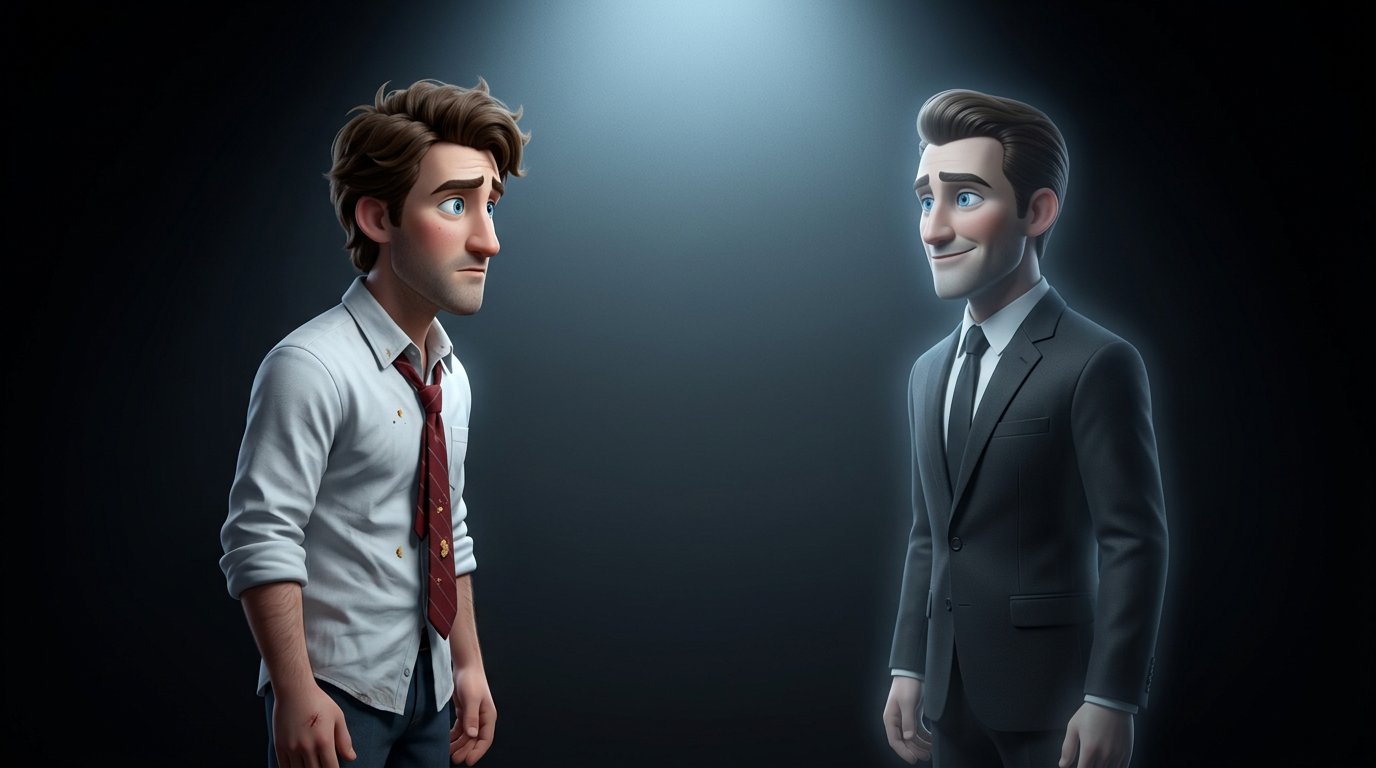
Shadow Dad — two versions of Rob in a void

The Shadow Dad

Psychological Mirror — Act Two

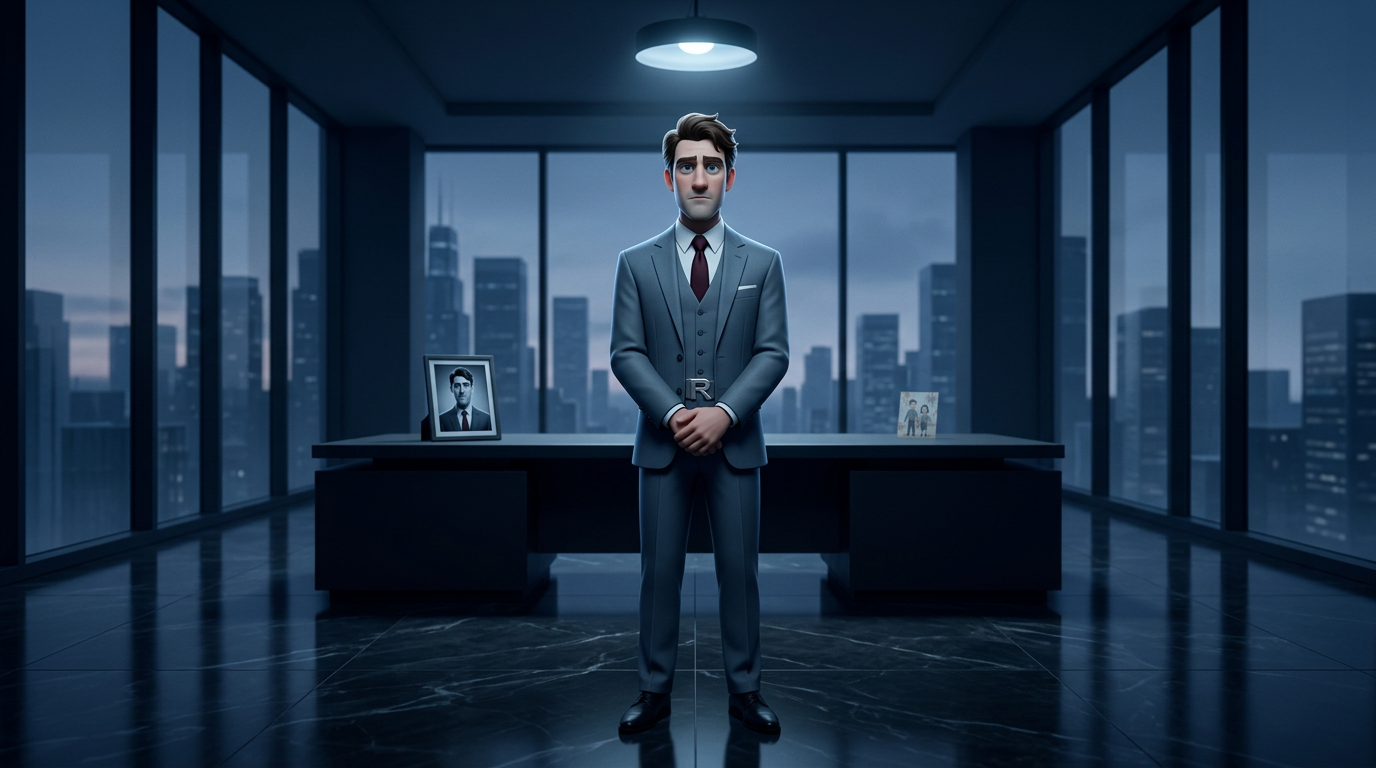
Two beats. First: a wrong reflection in a dark computer screen — polished, emptier. Filed away. Then later: the confrontation. Same face, perfect suit, perfect emptiness. Rob looks at the crumbs on his tie from Max's granola bar. The imperfection is the proof.

"You're already me, Rob."
"No. I'm not."
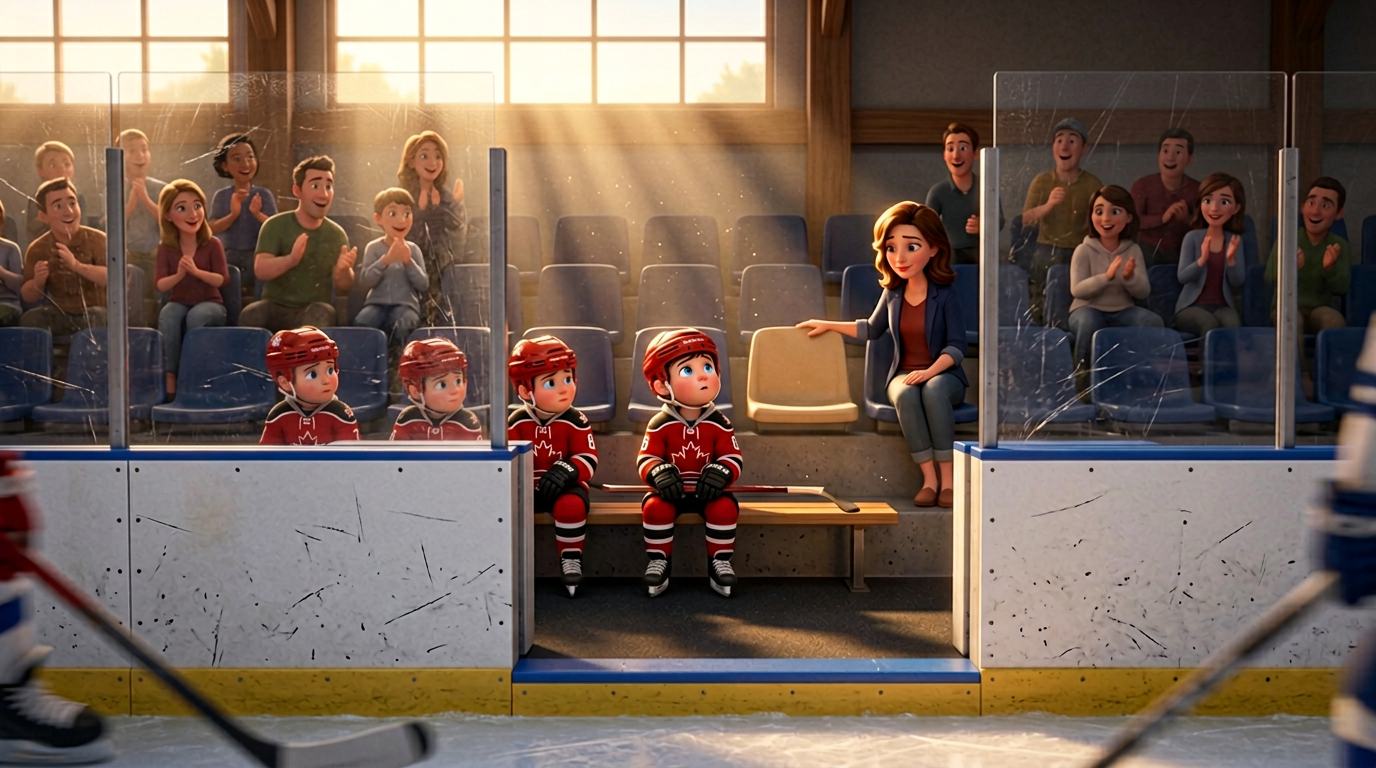
Max on the bench — the empty golden seat beside Claire

The Hockey Game

Emotional Climax — Act Two

Rob misses Max's game to save the city. Not the last game of the season — just a regular Tuesday. And he still couldn't make it. The golden seat beside Claire stays empty the entire game. Max sits on the bench watching other dads cheer. He looks at the empty seat one more time. Then, to himself — the line that breaks every parent in the theater.

"It's okay… my dad saves bigger things."
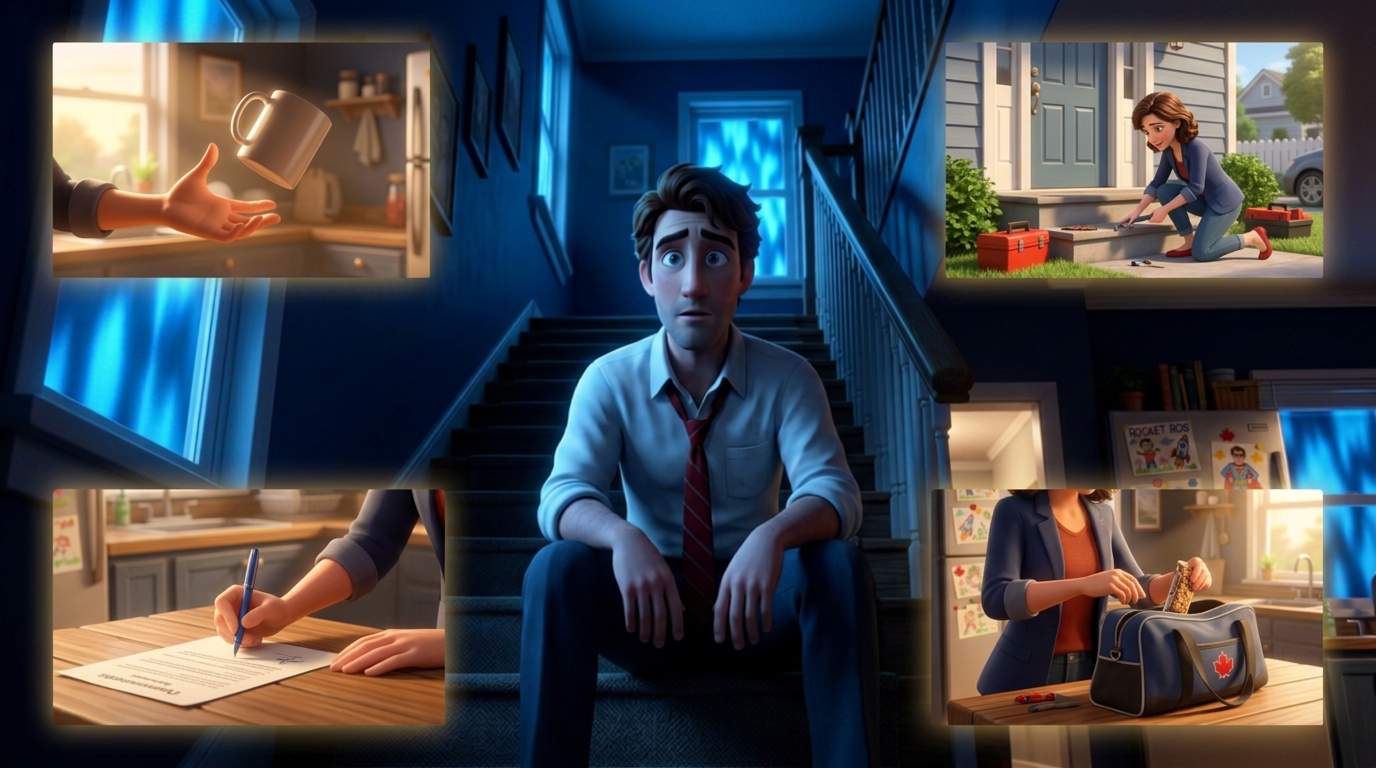
Claire as Vela — the mid-film reveal

The Vela Reveal

Second-Act Turning Point

It's game day. Rob came home early for the first time in weeks. Then the power dies. Claire moves like someone who's done this before — gets Max to the Barretts', reroutes the house power with moves Rob doesn't recognize. "I was Vela before you were Rocket Rob." For kids: the mom is a superhero too. For parents: she sacrificed everything to be here, and nobody noticed. Rob sits on the stairs, rewriting every moment she was too calm, too fast, too prepared.

"Why did you stop?"
"Because I chose something harder."
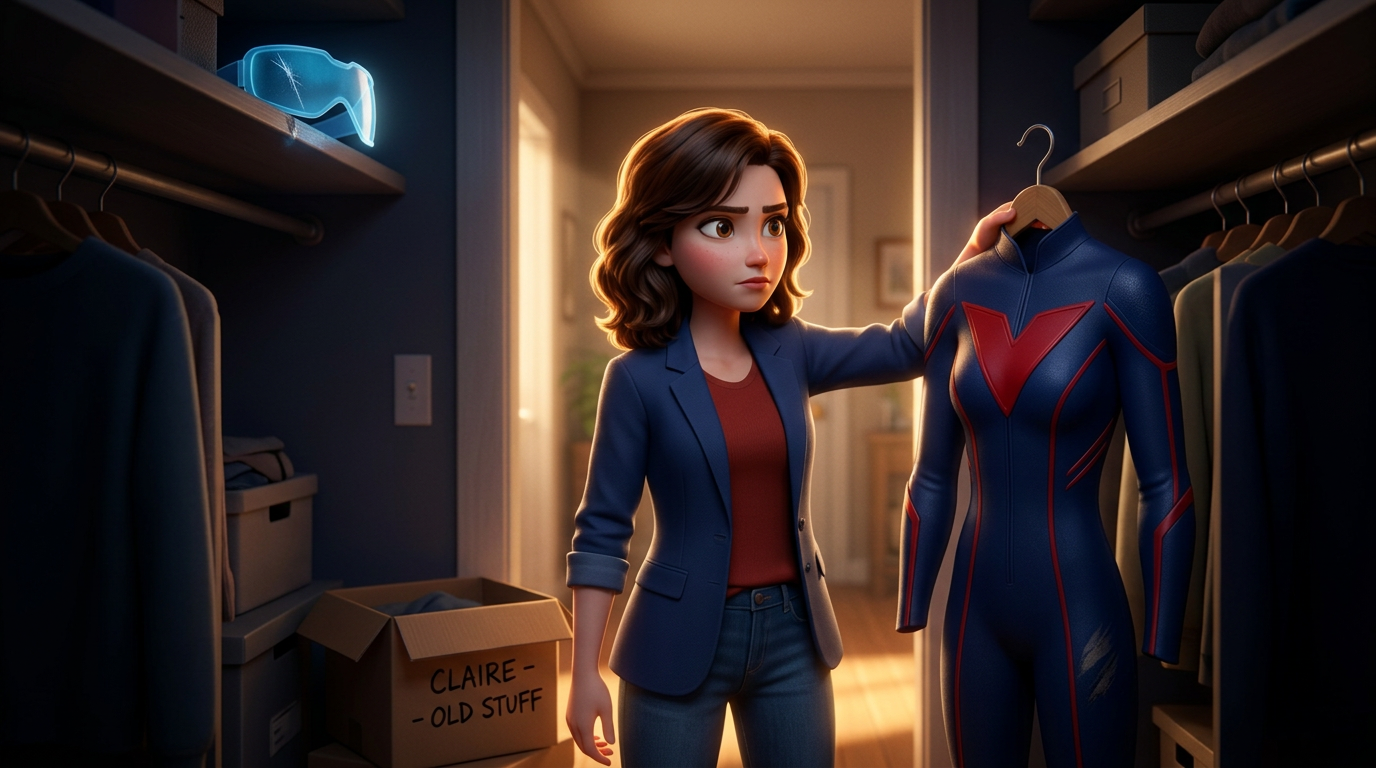
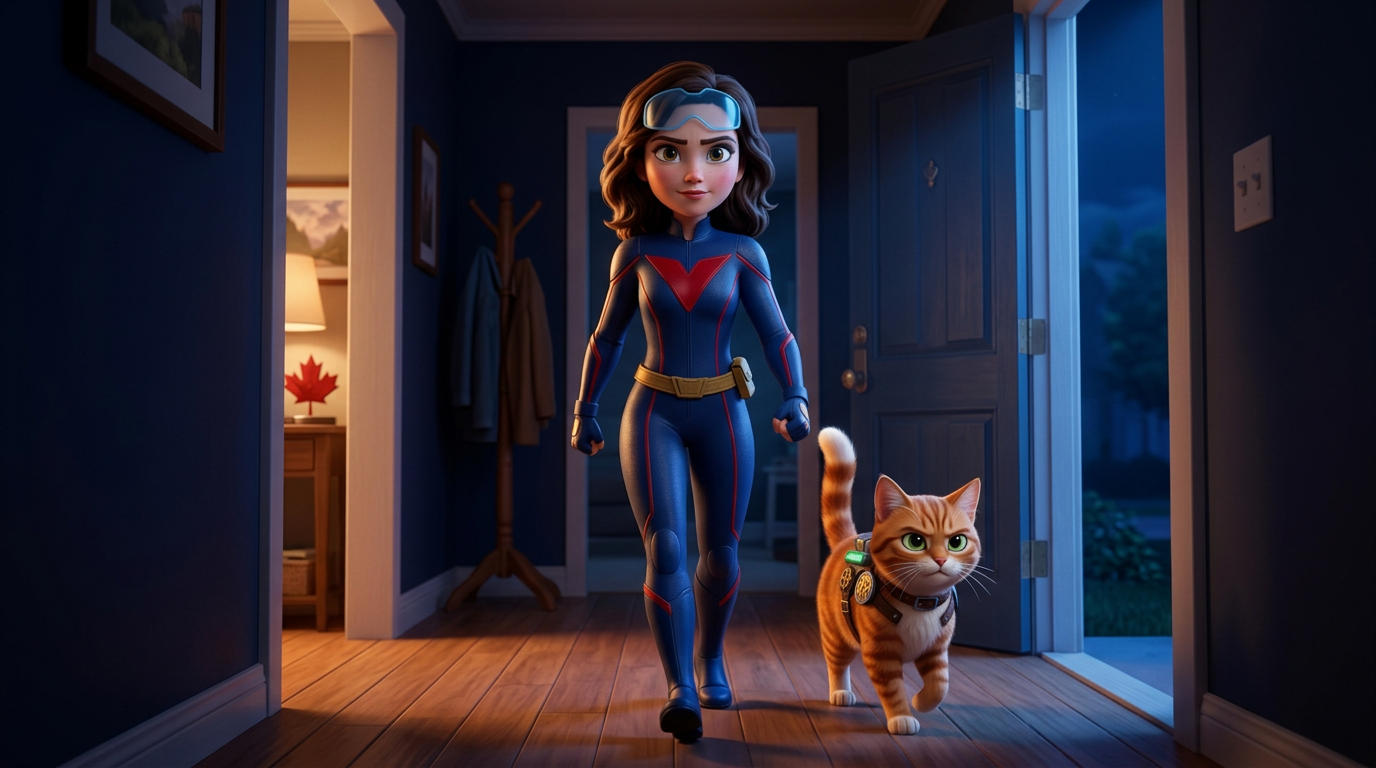
Claire reaches for the Vela suit in the closet — her choice

Claire's Choice

Agency — Act Three

A dark closet. A box marked "CLAIRE — OLD STUFF." The Vela suit hanging in the back, scuffed and faded. Nobody asked her to do this. The family didn't call for help. She just decided to stop pretending she was ordinary. The visor on the shelf. The suit in her hand. A private moment of agency that changes the entire film.

"I'm done pretending I'm ordinary."
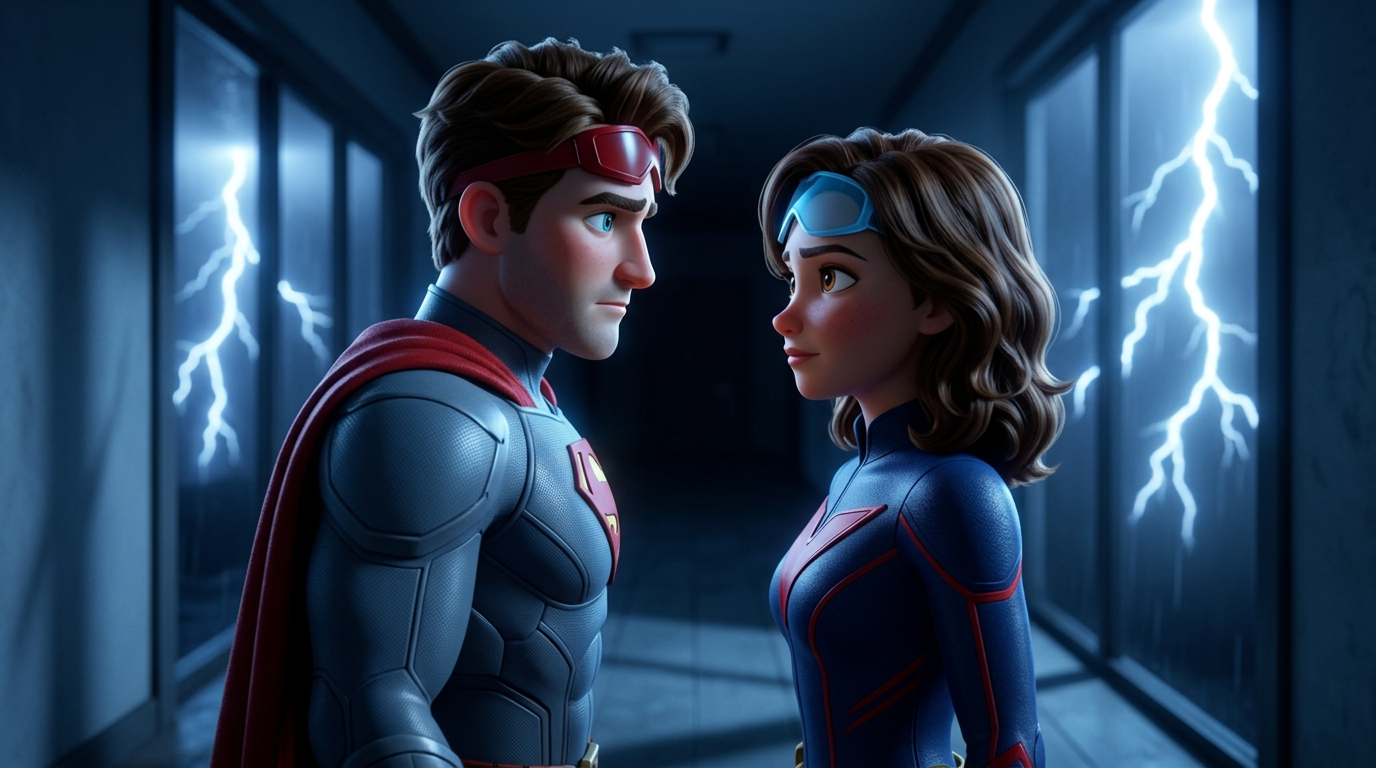
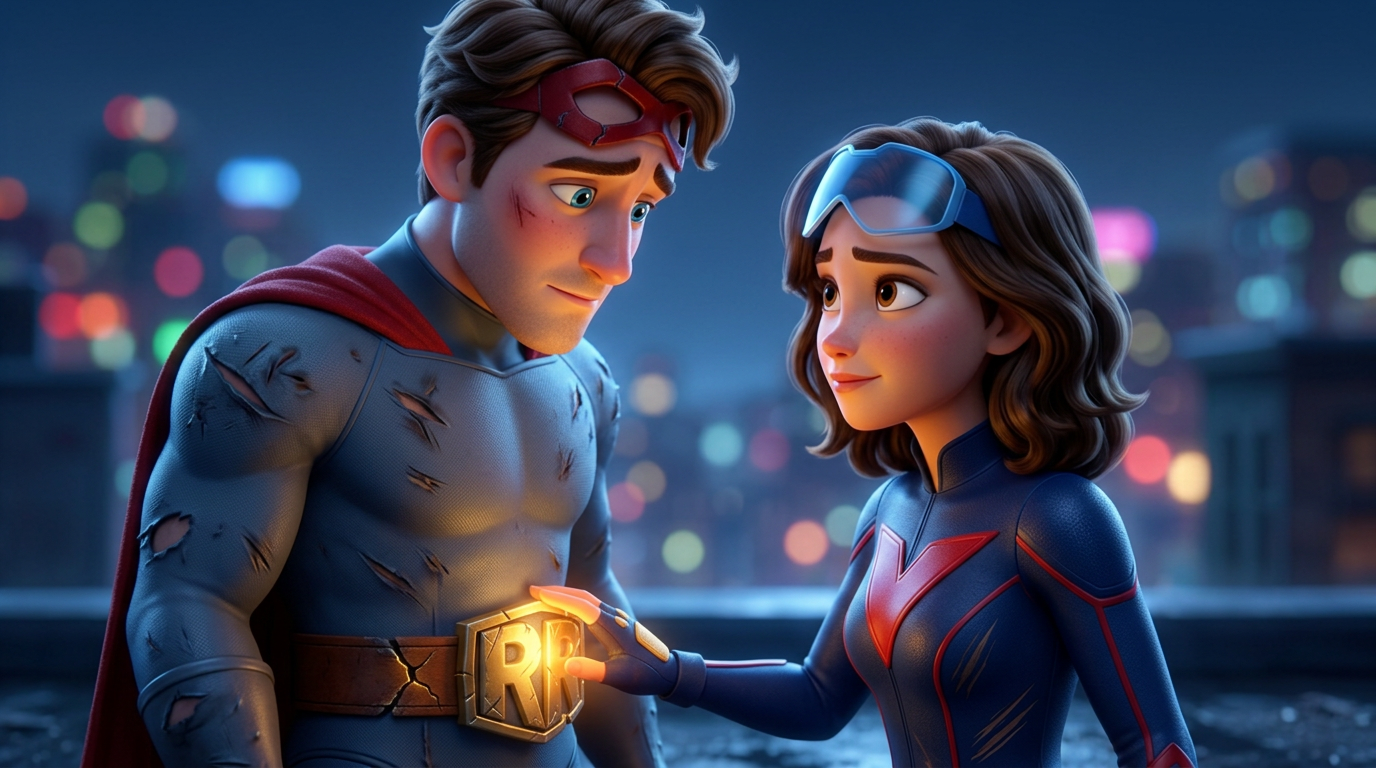
Before the Storm — dark hallway, two suits, blue lightning

Before the Storm

Marriage — Act Three

Dark hallway. Both in suits. Masks pushed up. Real faces showing. The only scene where Rob and Claire are fully honest with each other. Claire touches his belt buckle — she planted the drawing months ago. She's checking it's still there. Then the ticking clock: the last game of the season starts at seven. The dual stakes — city and family — crystallize in one exchange.

"Game's at seven." — Claire
"Then we finish this before seven." — Rob
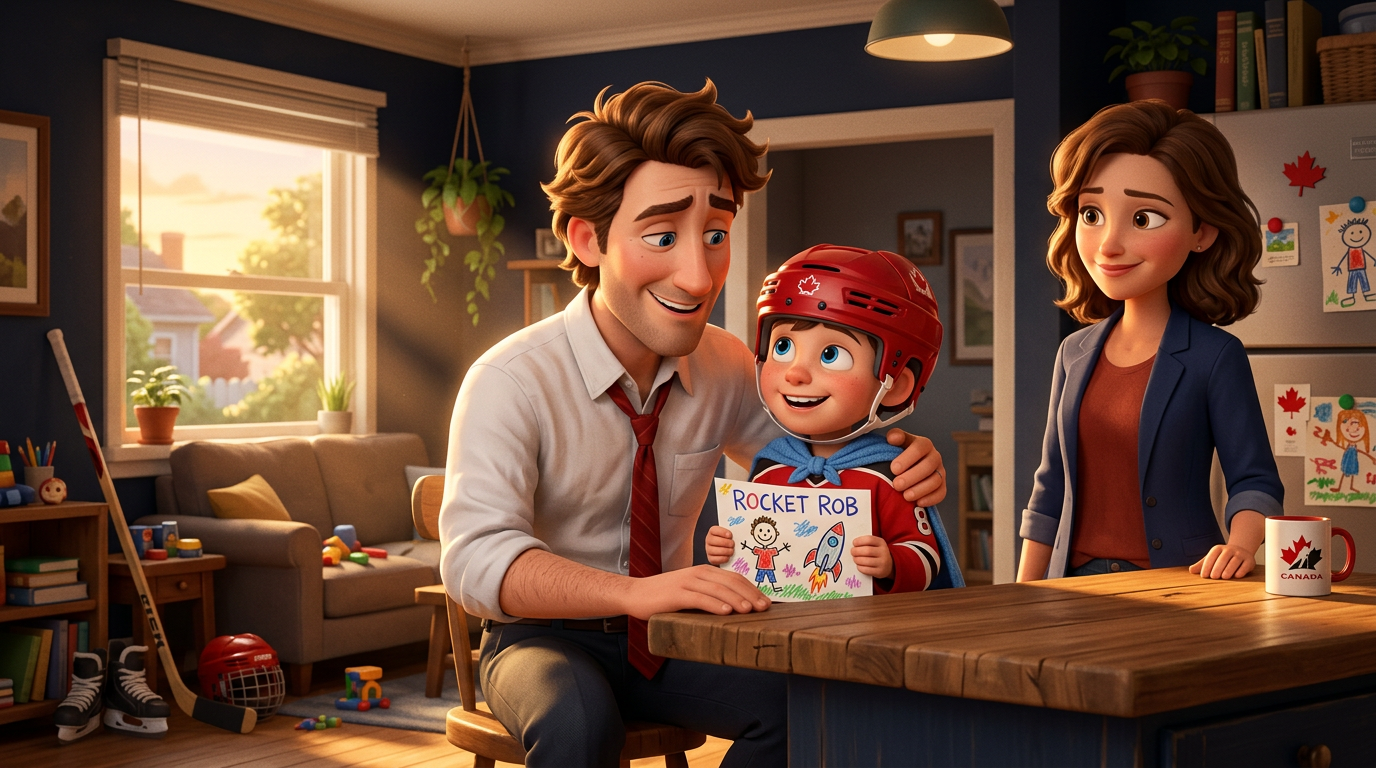
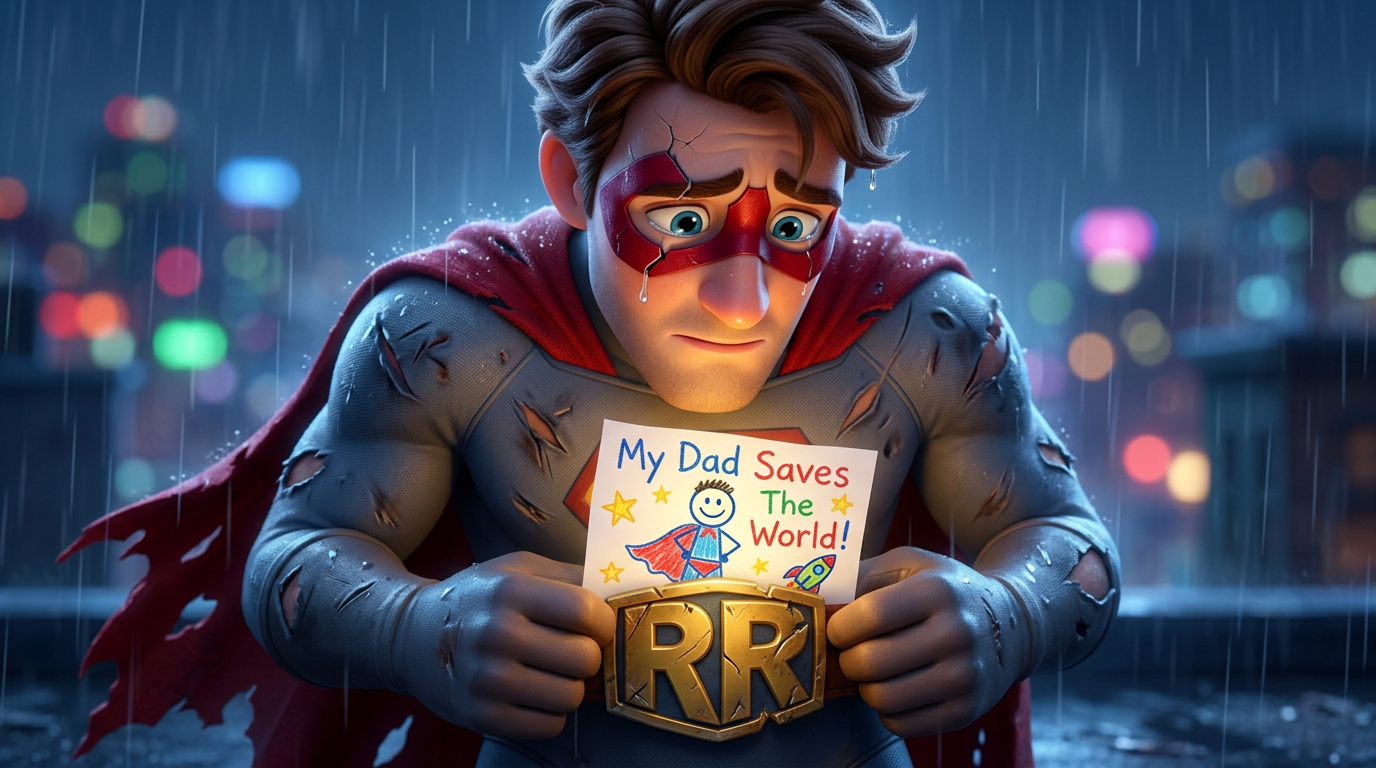
Rob holds Max's drawing — My Dad Saves The World

What Makes a Hero

Final Battle

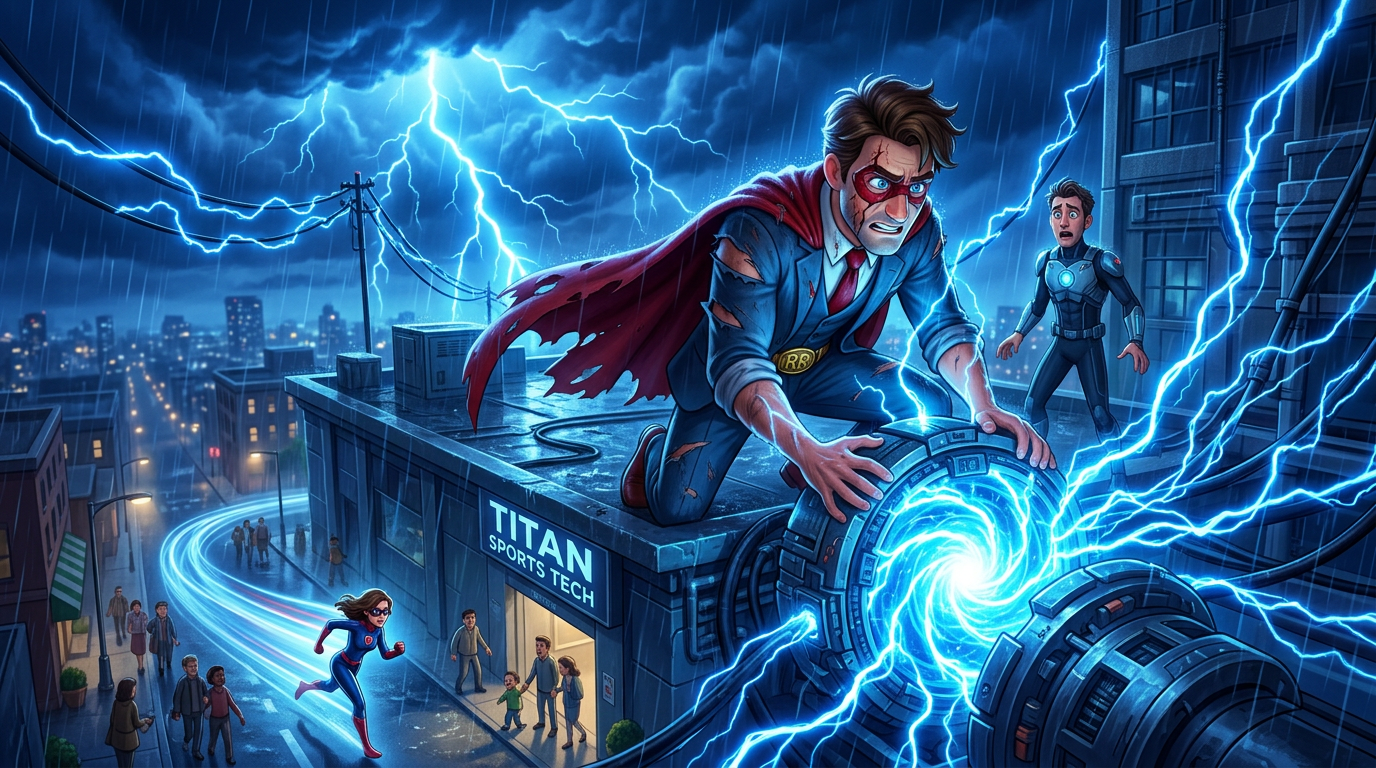
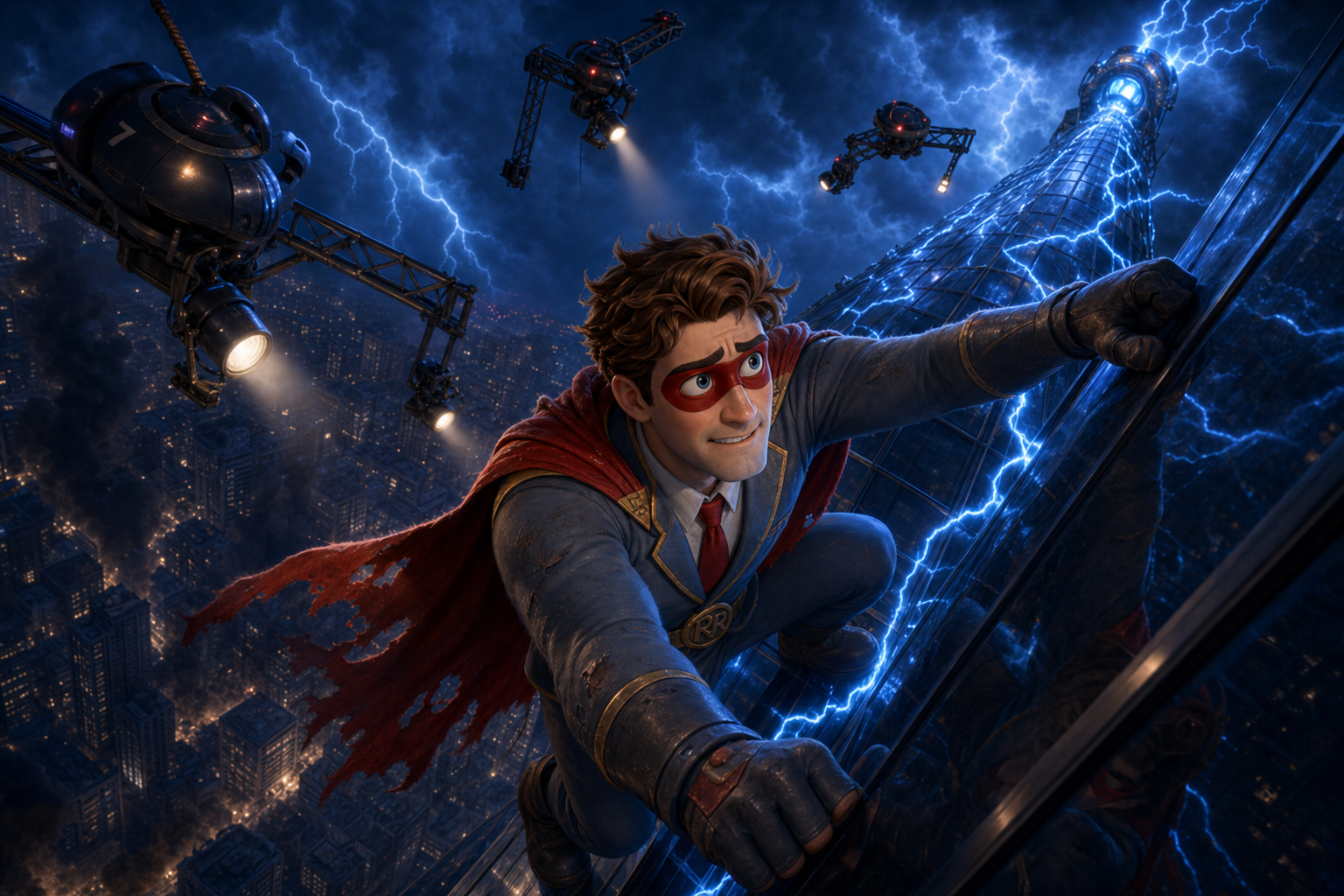
Claire — choosing to stop hiding who she is — coordinates the ground. Rob takes the sky. The drawing in the belt buckle doesn't give him powers. He's already made the choice. The quiet right thing. Not a superpower — a choice to be present.

"You already know why." — Rob, to Watt on the rooftop
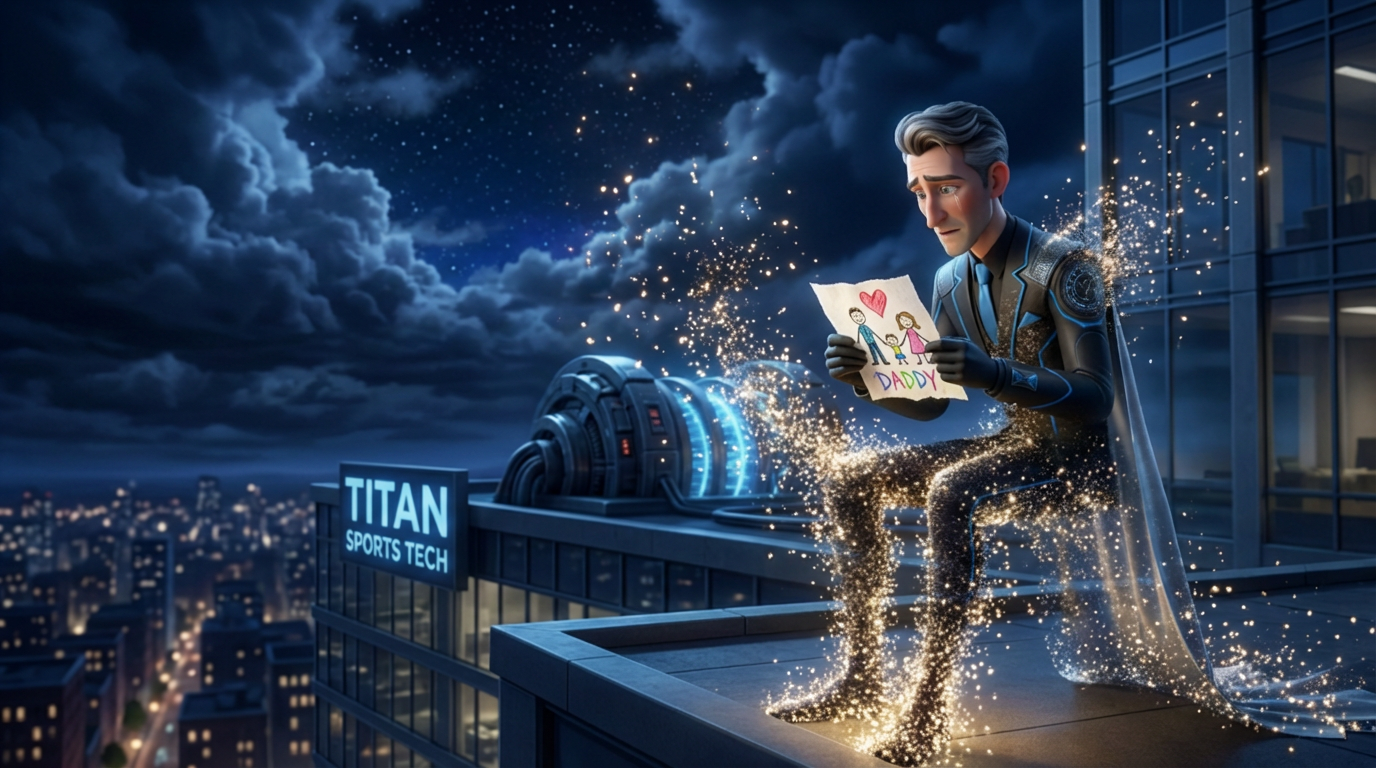
Victor Watt dissolves into particles of light

The Dissolution

Victor's Exit — Act Three

The photo is the last real thing about him. Then Victor dissolves — particles of light drifting upward, the storm clearing, the machine powering down. Not defeated. Released. Rob chose differently, and the fear of becoming Victor simply evaporated. The audience feels melancholy, not satisfaction. He could have been Rob.

"I had one of those once." — Victor Watt, looking at Rob's drawing
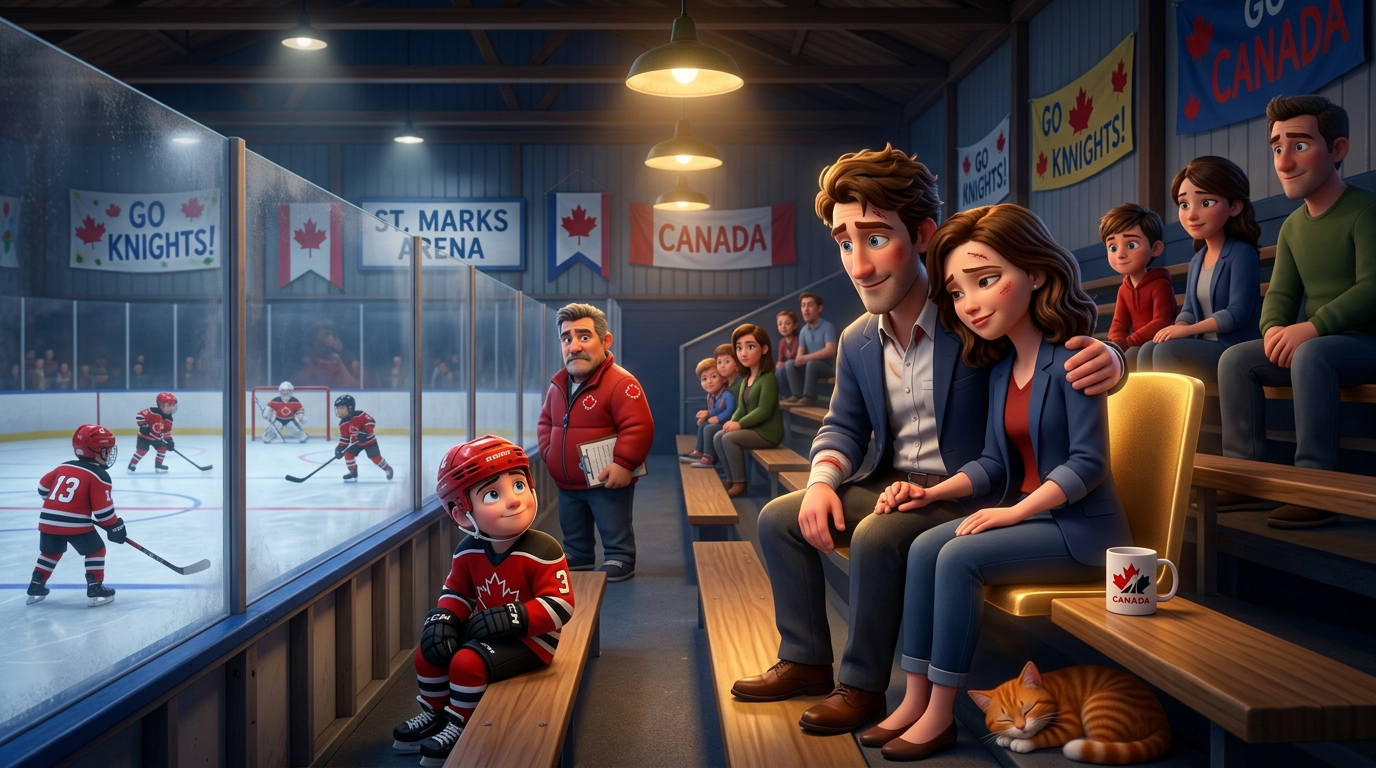
The Seat Fills — Rob and Claire in the arena stands during the game, Max on the bench looking up

The Seat Fills

Resolution — Act Three

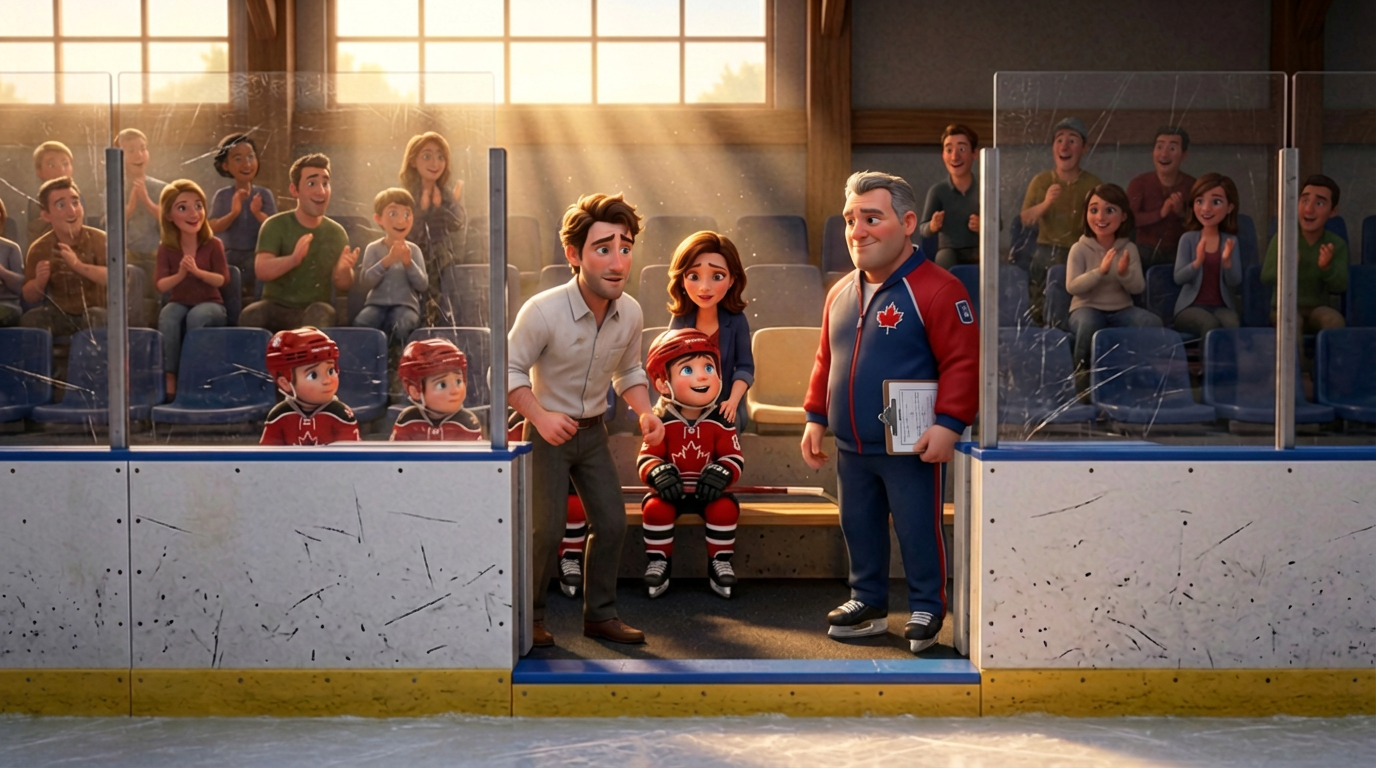
The last game of the season. The one Rob promised. After the battle, after the dissolution, Rob and Claire race across town — not heroes, just parents trying to make a hockey game. They arrive during the second period. Slide into the stands. The golden seat — the one that was empty on that regular Tuesday — fills. Max glances up from the bench. Sees his dad. Then his mom beside him. His face changes — not dramatic, just a quiet certainty. He pulls his helmet down and plays the best shift of the season. After the game, Coach Hank delivers the line that resolves the entire film. The two-tap. The hug. Maple at the entrance. "You came too?" Everyone came.

"You're gonna miss some games. Just don't miss the ones that matter."
"And you're here." — Coach Hank
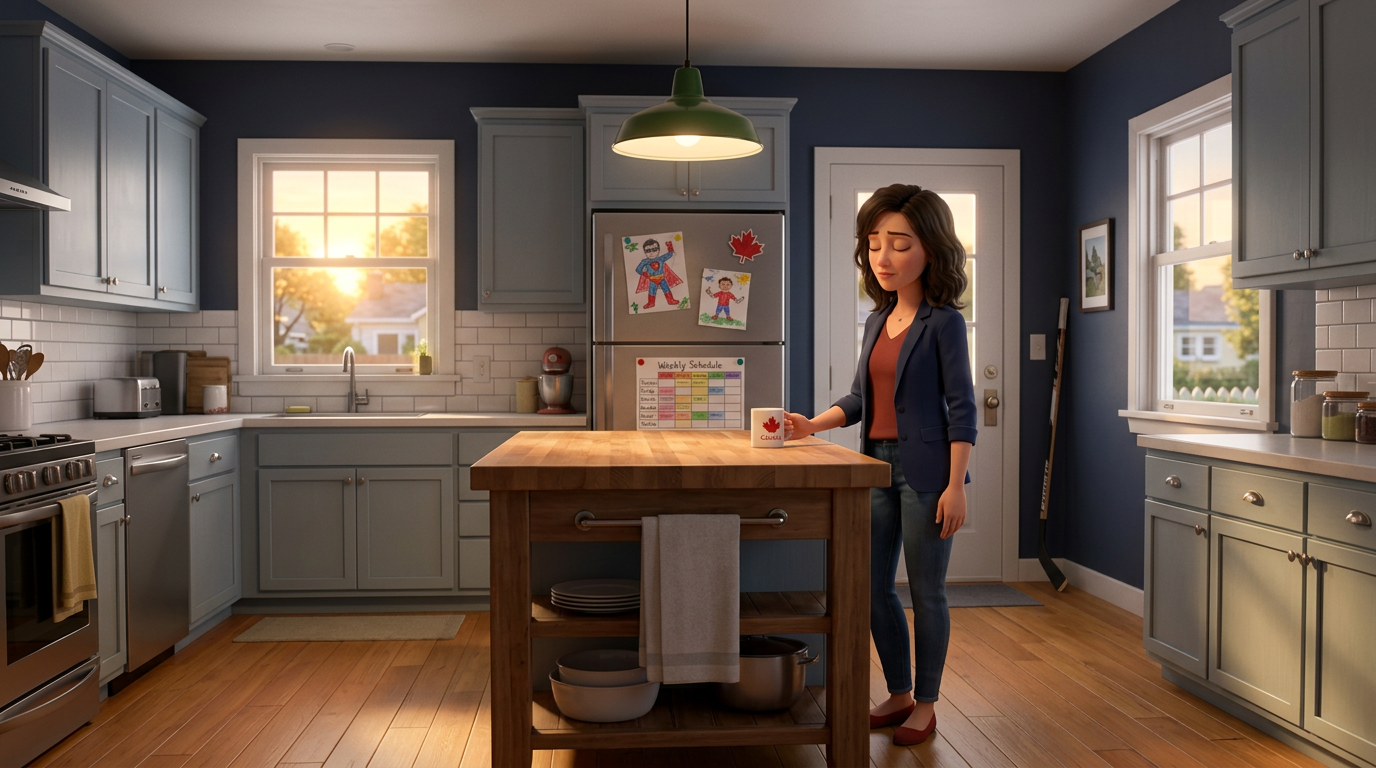
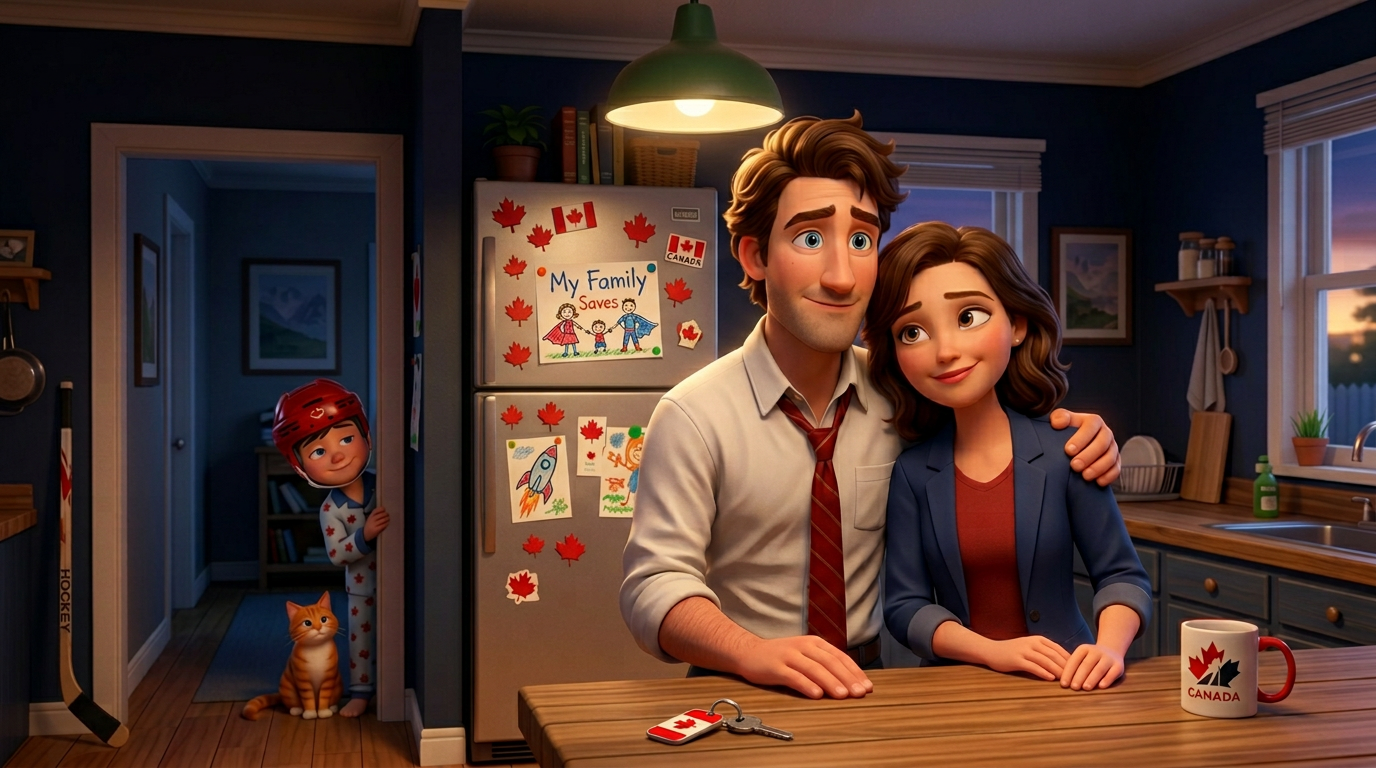
Rob and Claire in the kitchen — equal, present — Max in the doorway

The Final Image

Resolution — Both Parents

Kitchen. Late. Quiet. Rob and Claire stand side by side at the counter — equal, present, together. In the doorway behind them, Max peeks around the corner in pajamas and his hockey helmet, watching with a sleepy, certain smile. Maple at his feet. The fridge behind them covered in drawings. Claire crosses to him. Leans against his shoulder. The fridge drawings say it all — including a new one with two superhero parents. Max's voice returns one last time: "Every family has heroes. Ours has the best ones."

"Every family has heroes. Ours has the best ones." — Max

Character Constellation

Every character argues about the same idea from a different angle. Kids enjoy the action. Parents feel the emotional debate.

The False Answer
Victor Watt
"Power over Family"
Chose greatness. Lost everything personal. Needs Rob to fail to justify his sacrifice.
Rob's Fear
Shadow Dad
"Work First"
Rob if he chose the job over the family. Calm. Powerful. Empty. Exists only in Rob's mind.
The Question
Rocket Rob
"Can I be both?"
Max's belief started him. His own choice finishes it. No literal powers — just a dad who chose to show up.
Tough Love Truth
Coach Hank
"Show Up First"
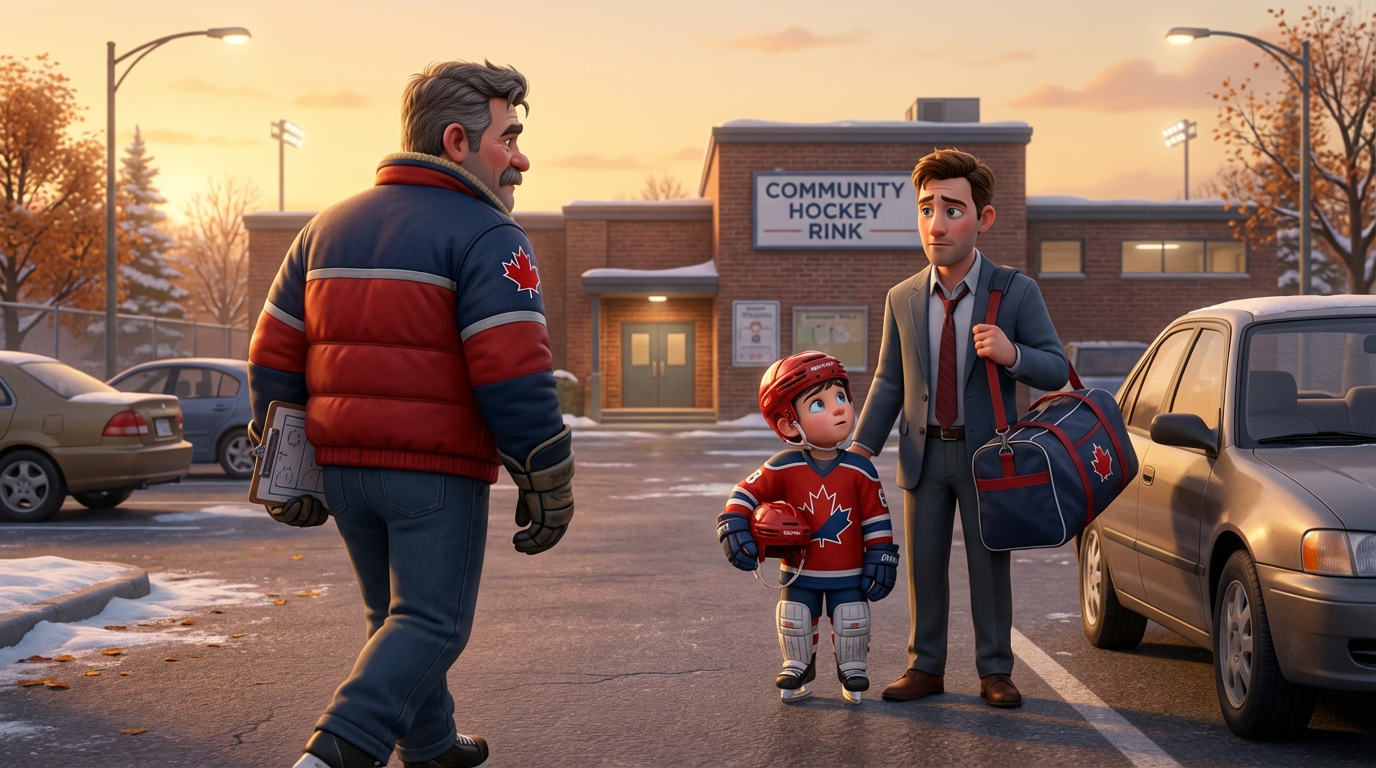
No superpowers. Just a man who's seen a lot of kids and knows what actually matters.
The Grounding Force
Claire / Vela
"Protect what matters"
Already answered the question — years ago. Chose family over a remarkable life. In Act 3, she chooses to stop hiding. Her terms.
Comic Relief with Truth
Maple
"Just show up"
Doesn't need to learn love. Already has it. Expresses it sideways. Shows up every time without being asked.
The Power Source
Max
"Dad is already a hero"
The imagination that made Rob a hero. When it goes silent, Rob must find his own courage. When Max chooses to believe again — in both parents — that's the most heroic act in the film.
Rob has no powers. The superhero was always Max's imagination.
Max's belief gave Rob courage. Rob's own choice gave him heroism. Claire's choice to stop hiding gave her freedom. And a child choosing to believe in both imperfect parents — after the silence — is the most heroic act in the film.

Villain Lineup

Pixar villains are emotionally relatable. Victor Watt drives the film. The remaining villains expand the world in the companion series.

Film Villains

Victor Watt

Main Antagonist
“Heroes don’t tuck kids into bed. They change the world.”

Silver-streaked hair, stylish glasses, clock motifs on every surface. Rob’s former colleague at Titan Sports Tech — both worked on arena energy systems. Victor scaled the technology to control an entire city grid. His hand drifts to his jacket pocket every time he mentions family. In his final moment, he reaches for it deliberately. Pulls out a creased photo. “I had one of those once.” He dissolves — particles of light, the last real thing about him. The Pixar gut punch isn’t his defeat. It’s pity.

The Shadow Dad — Rob’s dark mirror

The Shadow Dad

Psychological Beat — Act Two
“They’ll understand when they’re older.”

Rob if he chose work over family. Calm. Powerful. Empty. Exists in Rob’s mind during a crisis of confidence. The most Pixar villain in the lineup — think the Bing Bong moment from Inside Out.

Series Expansion Villains

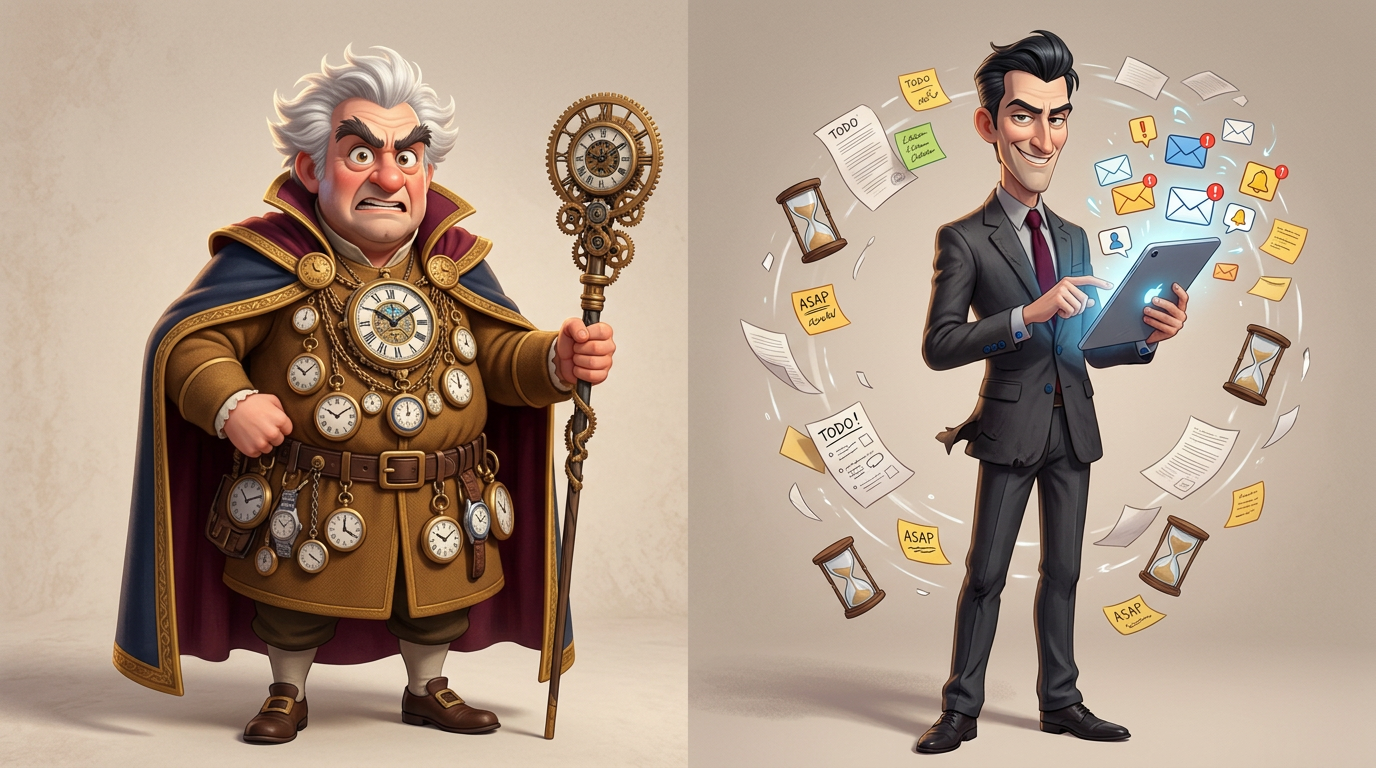
The Countdown

Series Expansion
"Your time is UP."

A comedic villain who literally manifests from emails, notifications, and buzzing phones. Creates chaos that keeps Rob from getting home. Kids laugh. Parents feel personally attacked.

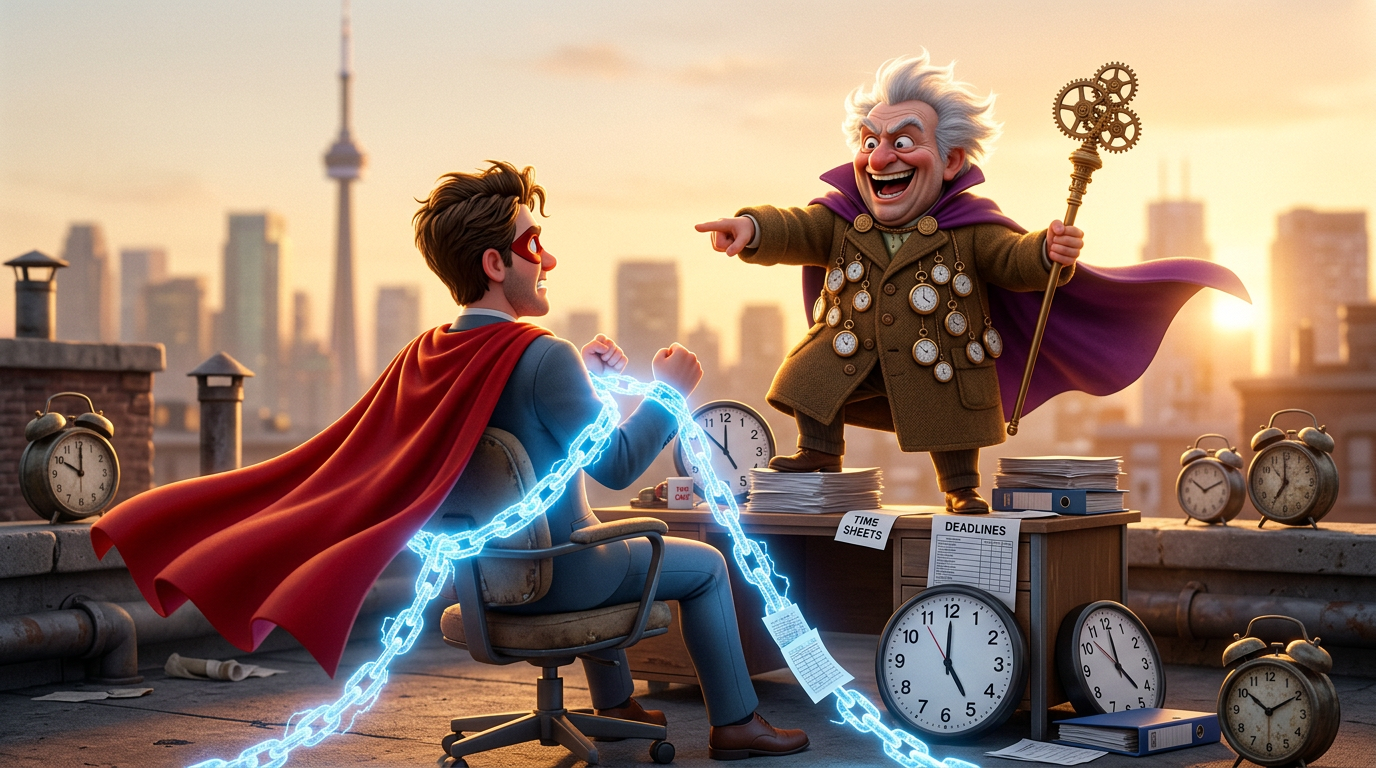
Dr. Overtime and Deadline

Dr. Overtime

Film (Act 1 Imagination Beat) + Series Expansion
"There's always more work to be done."

A villain made of clocks and overtime buzzers. First appears in Max's Act 1 imagination — chains of spreadsheets trapping Dad at his desk. "Dr. Overtime has captured Dad again! But Rocket Rob always escapes!" In the series, he becomes a full antagonist with time-manipulation powers, trapping Rob in endless work loops. Represents the feeling that there's never enough time. Kids laugh at the absurdity. Parents feel personally attacked.

Coach Crusher

Series Expansion
"Second place is first loser."

A rival youth hockey coach obsessed with winning at all costs. No superpowers — just the "win at all costs" philosophy that corrupts youth sports. Rob must teach Max that winning isn't everything.

The Homework Hydra

Series Expansion
"You solved math? Here's MORE math."

A multi-headed monster — each head is a school subject. Every time Rob solves a problem, two more appear. The nightly homework battle made absurd and epic.

Three-Act Breakdown

~90 minutes. Two parallel arcs colliding at a single turning point. 23 scripted sequences. Every beat works on two levels — adventure for kids, real feeling for parents.

Act One
"The Greatest Hero Ever"
~25 minutes
0:00
City Dawn + Opening Battle
30-second establishing montage: Pixar rooftops in golden light, quick flashes of Rob's everyday heroism, Claire catching a mug too fast. Then Max's voice: "Every city has a hero..." Epic Rocket Rob vs. Hydro Rex battle — Max's imagination at full power — SMASH CUT to Rob under the kitchen sink. "Rocket Rob repairs the Hydro Blaster."
7:00
The Handoff
Morning kitchen. Through the window: Max is already in the driveway with a kid from down the street — same age, same hockey jersey, stick-handling a ball back and forth. Texture. Inside, the quiet. Rob pours coffee. Claire signs the permission slip he forgot. "I might be late tonight." "I'll handle bedtime." "You always do." At the front door, Claire's eyes drift to the hallway closet — the locked one, the one nobody opens. Her hand reaches for the knob, then pulls back. Maple sits on the keys. Will not move. First cat gag. First Vela seed: Claire moves through the scene noticeably faster than Rob.
8:00
The World
Rob at Titan Sports Tech — warm cubicle in a cold tower, arena energy schematics on his monitor. Max at school, narrating everything — a quick Dr. Overtime fantasy when Rob's late, an older kid saying "Superheroes aren't real, dude" (Max doesn't break stride). Coach Hank Beat 1 at practice pickup: "He looked for you in the stands three times during drills. Best players aren't the ones who score — they're the ones who show up every practice." At pickup, Rob and Max share their two-tap ritual — Max taps Rob's knee twice, Rob taps Max's helmet twice. Their thing. Still theirs. Claire at home: catches a falling fruit bowl too fast (Vela seed), recognizes Watt on the news. Maple watches the car return from the window, dropping into a low crouch — ears forward, eyes locked. His cape snags on the curtain rod. He is a professional.
12:00
"Little Hero Moments" Montage
Silent. Piano and guitar. Tiny Max in a dish-towel cape. First time on skates. The two-tap ritual. Drawings accumulating on the fridge. The Pixar plant (~14 min): Claire finds Max's drawing in Rob's jacket, folds it, slips it behind the RR belt buckle on a hook. The audience thinks she's tidying up. 55 minutes later, it's devastating.
18:00
The Inciting Incident
Watt unveils his machine — and Rob recognizes it. Titan's arena grid architecture, scaled to the entire city. "I built half the load-balancing framework you just showed them." Watt's hand drifts to his jacket pocket when he says "Family makes you weak." Rob refuses. Watt activates. The city grid flickers. Hospital sirens. Rob looks at his car — home, dinner, bedtime. "I'll be late for dinner." He starts walking. Not toward the car.
Act Two
"The Cost"
~45 minutes
25:00
The Double Life
Every save costs family time. Rob misses practice pickup — Claire drives. Gets home after bedtime — Max is already asleep with the dish-towel cape clutched like a blanket. The text messages pile up: "Bedtime?" "I'll be there." "He fell asleep." Claire doesn't complain. She just absorbs it. The invisible load grows — permission slips, hockey gear, the broken front step she fixes herself. Max's narration gets quieter, more hesitant. He still believes, but the pauses between narrations grow longer. In Max's imagination track, Rocket Rob's cape is fraying at the edges. A TV plays in the living room — Watt's face on a news broadcast: "The city-wide grid integration project is ahead of schedule—" Claire walks past. Turns it off. Her face is unreadable. Watt's presence stays active even when he's off-screen.
30:00
Shadow Dad — Planted Seed
Rob at his cubicle late. Office empty. His reflection in the dark computer screen looks wrong — neater, polished, emptier. He blinks. Gone. The audience files it away.
32:00
The Couch
Late night. Claire on the couch with a book she isn't reading. "Max made the travel team." "He wanted to tell you himself." "I'll talk to him in the morning." "You said that Monday." Not angry. Just accurate. Maple walks across the couch behind them. Sits between their heads. Tucks his paws under himself and closes his eyes. Everyone is home. He can stand down.
40:00
The Silence
The most important transition in the film. Max stops narrating. No announcement. No fight. The action figures go in a drawer. The dish-towel cape stays folded on the chair. The imagination track — the color, the energy, the superhero layer that made the world magical — goes silent. The movie literally changes: shots get flatter, colors mute, the score drops out. Rob feels it even if he can't name it. He hesitates in moments where he used to be certain. Makes mistakes. Snaps at Claire: "I said I'm FINE." Maple doesn't flinch. Just presses closer against his leg, watching Rob the way cats watch things they can't fix. On the rooftop, Maple walks across the relay housing and accidentally knocks loose the coupling Rob needed — completely unaware he helped. "You missed the story." "I know. I'm sorry, bud. Tomorrow—" "You said that yesterday." For kids: something is wrong. For parents: this is grief — the moment your child quietly outgrows needing you to be magic.
50:00
The Hockey Game
Rob misses Max's game. Not the last game of the season — just a regular Tuesday. And he still couldn't make it. Two rows up, Maple sits on a bleacher — perfectly upright, watching the ice like a scout. Claire spots him. Double-take. Decides not to question it. The golden seat beside Claire stays empty for the entire game. The arena lights flicker once — Watt's machine probing the grid, reaching into Max's world. Max on the bench, watching other dads cheer. He looks at the seat one more time. "It's okay... my dad saves bigger things." The seat never fills. That's the point. It didn't need to be the big game to break your heart. Later, Rob promises Max he'll make the last one — the final game of the season. The one that matters.
60:00
Shadow Dad — The Confrontation
"You're already me, Rob. You just haven't admitted it yet." Rob looks at his wrinkled shirt, the crumbs on his tie from Max's granola bar. "No. I'm not." The crumbs are the proof. The imperfection is the point.
63:00
The Confrontation
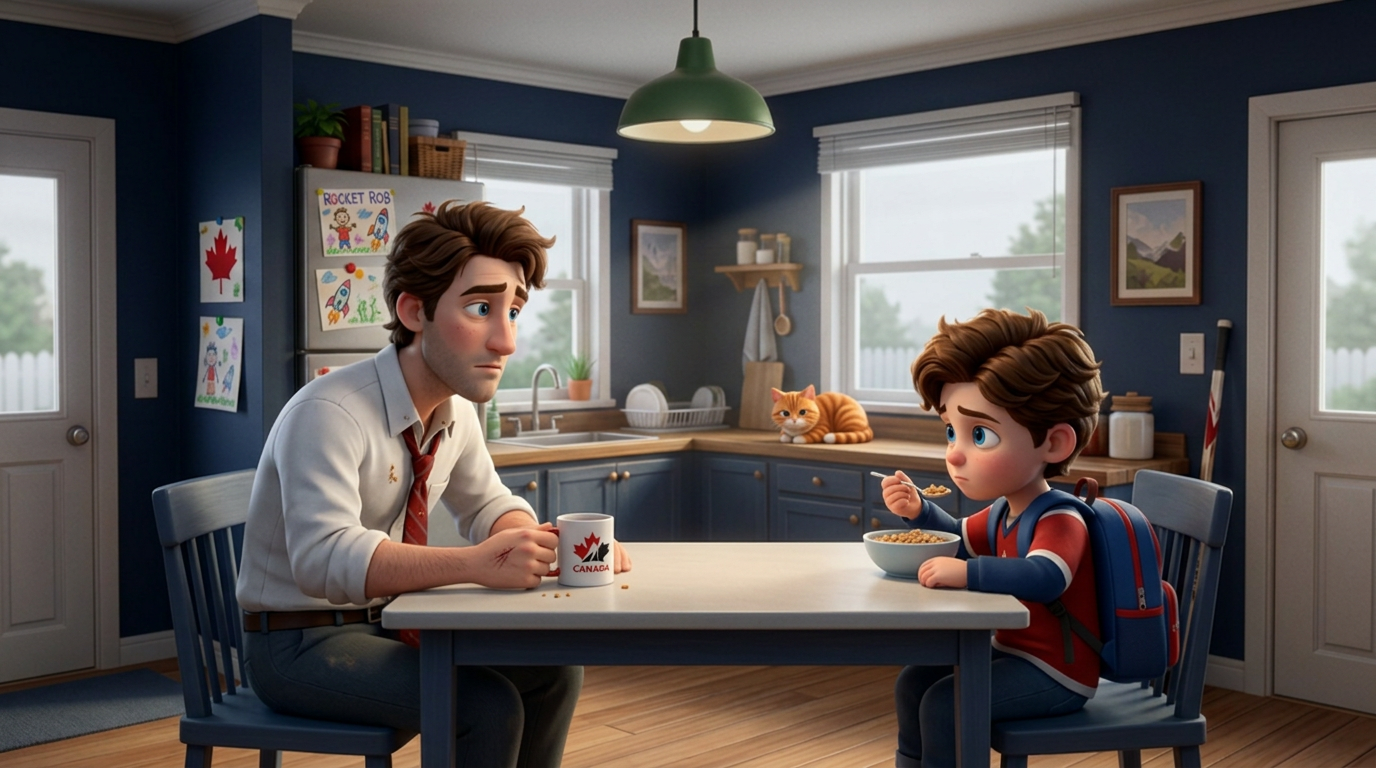
First: the morning after. Rob and Max at the kitchen table. No narration. No sound effects. Just a kid eating cereal and a dad with nothing to say. Max finishes. "Bye." Gone. Then — night. Kitchen. Late. Claire hasn't moved from the counter. "You're trying to save everyone except the people in this house." She cuts him off — not with anger, with knowing: "I know what you're trying to do. I've done it." The ultimatum: "Either come home, or tell me what's keeping you away."
65:00
The Vela Reveal
It's game day — Max's last game starts at seven. Rob came home early for the first time in weeks. Then the power dies. Claire moves like someone who's done this before. Gets Max to the Barretts' — his teammate's family, already heading to the arena. "The game starts at seven." "I know, baby. You won't miss it." Reroutes the house power. "I was Vela before you were Rocket Rob." Rob sits on the stairs, rewriting his memory of every moment she was too calm, too fast, too prepared.
Act Three
"What Makes a Hero"
~20 minutes
67:00
Claire's Choice
A dark walk-in closet. Claire stands alone, hallway light behind her. A cardboard box on the floor: "CLAIRE — OLD STUFF." She reaches into the back — the Vela suit on its hanger, scuffed, faded, real. The scratched visor on the shelf above. Nobody asked her to do this. Rob didn't call. Max doesn't know. She pulls the suit out and looks at it. A beat. Then she sets her jaw. "I'm done pretending I'm ordinary." This is the most important moment in Claire's arc — a private choice, made alone, on her own terms. The audience understands: she was never the sidekick. She was always the one who chose the harder thing.
69:00
Before the Storm
Dark hallway. Both in suits. Masks pushed up. Real faces showing — the only scene where Rob and Claire are fully honest with each other. "How long?" "Before Max." "Were you scared?" "Every time." Claire reaches for his belt buckle — checking. The drawing she planted months ago is still there. "Game's at seven." "Then we finish this before seven." They go separate directions — she to the ground, he to the sky. Maple follows Claire out the door with purpose — head up, ears forward, moving like something matters. He is a professional. This is the marriage scene — two people who finally stopped lying to each other, a ticking clock, and a promise to keep.
70:00
The Final Battle
Watt's machine at full power. The city grid buckling. The game clock is ticking underneath the action — the audience knows the last game of the season starts at seven. Claire — choosing to stop hiding who she is — coordinates the ground: rerouting power, evacuating the block, clearing Rob's path with the speed and precision she's always had. They're faster together. That's the thesis made literal: partnership is the superpower. Rob takes the sky. He reaches the machine. Watt is there. "You could have been great, Rob. Instead you chose bedtime stories and hockey games." Rob recognizes the machine — Titan's arena architecture, the system he helped design, scaled to something monstrous. He shuts it down the way he'd shut down an overloaded arena grid: methodically, absorbing the overload himself. An engineer doing what he knows. Watt: "Why?" Rob, holding Max's drawing: "You already know why." Below, Claire holds the line. The machine goes dark. The storm weakens.
76:00
The Dissolution
The machine is dead. The rooftop is quiet. Victor Watt sits on the ledge, the fight drained out of him. He reaches into his coat — the same pocket his hand has drifted to every time he talked about family. Pulls out a creased photograph — the last real thing about him. He looks at the drawing in Rob's hand. Two pieces of paper. Two different choices. "I had one of those once." Then Victor dissolves. Particles of golden-white light drifting upward like embers. His cape fragmenting into ribbons. His face the last thing to go — not pain, not anger, just a man confronting what he erased. The storm clears behind him. Stars come through. He wasn't defeated by force. He became irrelevant when Rob chose differently. The audience feels melancholy, not satisfaction. He could have been Rob. That's the Pixar gut punch.
77:00
The Race
Rob and Claire on the rooftop. Exhausted. The city quiet. Stars coming through where the storm was. Claire looks at Rob. "What time is it?" Beat. They run. No dialogue. Just the montage melody — the same piano and guitar from "Little Hero Moments," but building. Two people changing in the car. Pulling jackets over bruised arms. Running across a parking lot. Not heroes. Parents. This is 60 seconds of screen time that earns the entire movie. The most Pixar image in the film: two ordinary people racing — not to save the world, but to make a kids' hockey game.
79:00
The Seat Fills
The sounds of the arena: sticks on ice, parents cheering, the buzzer between periods. Rob and Claire push through the doors during the second period. They find seats in the wooden bleachers. Claire sits first. Then Rob slides in beside her. The golden seat — the one that was empty on that regular Tuesday — fills. Cut to Max on the bench. He glances at the stands the way he always does now — a habit, even though he stopped expecting anything. He sees his dad. Then his mom beside him. His face changes — not dramatic, just a quiet certainty. He pulls his helmet down and gets ready for his next shift. Plays the best shift of the season. Maple is sitting by the entrance door. Harness dark — the battle drained the last charge. He showed up. He always shows up. [ALL CLEAR].
82:00
After the Game
The game ends. Families streaming out. Coach Hank catches Rob near the exit. "Kid... hockey and parenting are the same thing." Rob: "What's that?" Hank: "You're gonna miss some games. Just don't miss the ones that matter." He looks at Rob. "And you're here." The line lands because Rob was here — during the game, not after. Max comes out of the locker room. The two-tap (their ritual). Then the hug — the long one. Max picks up Maple at the entrance. "You came too?" "Everyone came." The family walks out together. The arena lights dim behind them. Coach Hank watches them go. Nods once.
85:00
The Bedroom
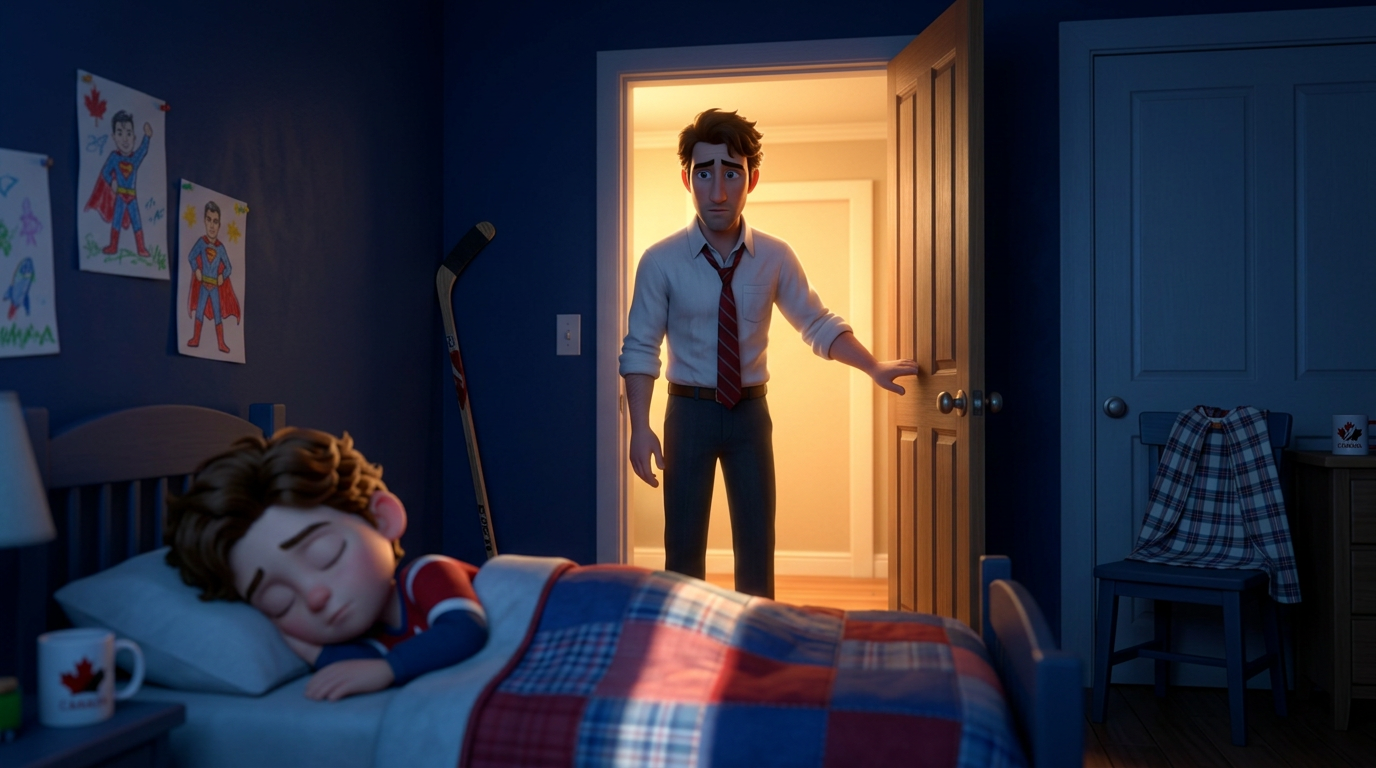
Max's room. Night light. Hockey helmet on the bedpost. Rob sits on the edge of the bed. Max is half-asleep but fighting it. "Did you save the world?" "Something like that." A beat. Max looks at him — really looks. "I knew it." Not playing pretend. Not the imagination track. Just a kid who sees his dad, knows he showed up, and that's enough. Rob tucks the blanket. Pauses at the door. Maple is already curled at the foot of the bed — the only on-screen harness text in the entire film: [WORLD: SAVED]. Rob whispers: "Good night, bud." Max is already asleep. Or pretending to be — with a smile.
86:00
The Final Image
Kitchen. The pendant light. Rob and Claire at the counter. Side by side. Equal. Present. For the first time, they're not performing — not the morning handoff, not the late-night couch distance. Just two people who stopped carrying it alone. Claire crosses to him. Leans against his shoulder. Doesn't ask. Doesn't need to. Pull back through the kitchen window. The fridge covered in drawings — including one with two superhero parents. House. Street. Hockey net in the driveway. Neighborhood. City. Stars. Max's voice returns — soft, sleepy, certain: "Every family has heroes. Ours has the best ones." Not a kid playing pretend. A child who outgrew the fantasy, sat in the silence, and chose to believe in both parents. That's the Pixar moment — delivered in a kitchen, not a speech. A chosen belief is more powerful than a given one.
90:00
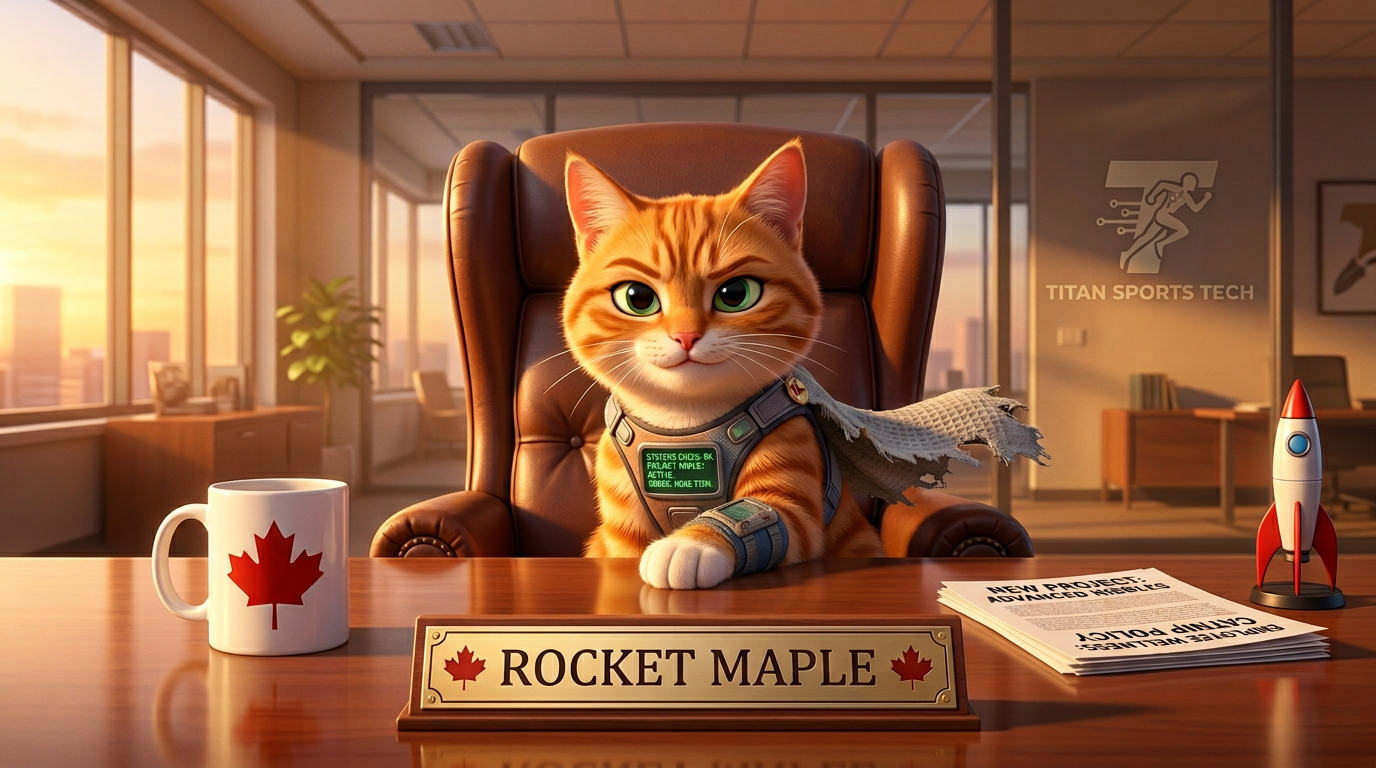
Post-Credits — "Rocket Maple"
Rob's office. Dark. Maple sits on the desk, harness blinking [WORLD: SAVED]. She bats a pen off the edge. Watches it fall. Looks at the camera. Cuts to black. The hero was always watching.

Series Expansion

The film told as a 10-episode season. Episodes 1 and 10 bookend with the film's opening act and climax. Episodes 2–9 are original stories set between those events — deepening the world, introducing new villains, and exploring the family as Rob's double life escalates.

1

The Greatest Hero Ever

Rob is late to pick up Max from practice — again. He promises to make the next game. Meanwhile, Victor Watt announces his "revolutionary" energy tech, and Rob pushes back.

2

The Missing Hockey Stick

Max's lucky stick vanishes before a big game. Rocket Rob's quest through the school lost-and-found labyrinth teaches Max that confidence comes from inside.

3

Laundry Day Apocalypse

Claire's away. Rob's in charge. The washing machine becomes a portal. Socks become sentient. Rob gains new respect for the invisible work that holds a family together.

4

The Science Fair Disaster

Max's volcano won't work. The Homework Hydra attacks. Rob and Max combine dad logic with kid imagination to learn that trying together beats winning alone.

5

The Homework Monster

Max can't focus. Rob can't help without doing it for him. The Hydra returns — each head must be defeated differently. Rob learns to let Max struggle and grow.

6

Dad vs. Bedtime

Max refuses to sleep. Every delay opens a mini-adventure. The glass of water becomes a lava-floor quest. Even bedtime is a kind of heroism.

7

Coach Crusher

Max faces Crusher's hyper-competitive team. The "win at all costs" philosophy starts infecting Max. Coach Hank's wisdom shines as Rob teaches Max what really matters.

8

The Countdown

Rob's impossible work deadline manifests as a literal villain — emails and notifications forming a chaos monster. The only way to beat it is to choose to leave.

9

Little Hero Moments

Max finds old home videos. The quiet episode. The Up-style montage. Time is the real villain, and the only way to fight it is to be present right now. This is the one that makes parents cry.

10

What Makes a Hero

Season finale. Max's championship game collides with Watt's full attack on the city. Rob must answer the question the entire series has been asking: what makes a hero?

Style Guide

Pixar-inspired stylized design. Every element follows strict visual rules to maintain the warm, cinematic, family-friendly tone.

Rocket Red
#E01B1B
Slate Gray
#6E7073
Warm Gold
#D79B2E
Sky Blue
#3FA9F5
Deep Navy
#1A2744
Warm Brown
#5C3A1E

Proportions

Do: Stylized Pixar proportions. 7-head ratio for adults. Oversized heads. Expressive hands. Athletic but not bulky.

Don't: Realistic anatomy. Comic-book muscle. Adult superhero proportions.

Faces

Do: Large expressive eyes. Thick eyebrows. Rounded features. Clean, readable expressions at any size.

Don't: Small eyes. Sharp angular features. Gritty or realistic detail.

Environments

Do: Rounded architecture. Soft lighting. Bright accents. The "Pixar + Apple" aesthetic — clean, warm, cinematic.

Don't: Harsh angles. Dark desaturated palettes. Photorealistic textures.

Tone

Do: Optimistic even in conflict. Rich night palettes. Warm color temperature. A world kids want to live in.

Don't: Grim. Cynical. Muddy or gray-washed. Scary for young audiences.

Why This. Why Now.

We know the territory. Here's why this story belongs in it — and why it's different from anything already there.

The Comparison They'll Make
The Incredibles
  • Superhero family trying to live normally
  • Dad wrestling with hero vs. father identity
  • Wife who was also a hero and walked away
  • Kid who believes in their parent
  • Pixar house style
The surface read is real. Any exec will say it. We say it first.
But
The Actual Difference
Rocket Rob
  • Rob has no literal powers — the superhero layer is Max's imagination
  • Rob's heroism is the choice to be present, not a superpower
  • Claire's Vela identity is metaphorical — the life she sacrificed, reclaimed on her terms
  • The villain dissolves — corporate ambition rendered as spectacle, released when Rob chooses differently
  • The Silence — belief going quiet — forces Rob to find his own courage
  • The invisible load, parental burnout, equity, partnership — 2026 parents
The Incredibles says: "Extraordinary people shouldn't hide it."
Rocket Rob says: "Ordinary people become extraordinary — when they choose to show up."
Rob has no powers. The superhero was always imagination.
Max's belief gave Rob courage. Its absence broke him. But Rob's Act 3 heroism comes from his own choice — not powers returning. He chose to be present. Claire chose to stop hiding. The villain dissolved because Rob chose differently. And Max — after the silence, after the missed game, after everything — chose to believe in both parents. That's not The Incredibles. That's not a superhero film. That's a family film that looks like one. And that's something new.
The Cultural Moment
The conversation around the invisible domestic load, mental load, and parenting equity has shifted dramatically since 2004. A huge portion of your adult audience is living this film right now. They just haven't seen it on screen yet.
🍁
Cultural Specificity
Pixar films are set in a nowhere-America. Rocket Rob is unapologetically Canadian — the hockey rink, the suburban texture, the particular warmth of a country that doesn't often see itself as the setting for a hero's journey. That specificity creates authenticity.
📺
The Format Opportunity
The "little hero moments" structure is as strong as a series premise as it is a feature. Netflix, Apple TV+, and Disney+ are actively acquiring animated family IP. The short film path — built around The Silence — gets this concept in rooms a spec feature can't reach.
🎬
Canadian Content Funding
Telefilm Canada, the CMF, and provincial arts councils represent a real funding path for animated Canadian content — one where the cultural specificity of this story is an asset, not a risk. The economics work differently here.

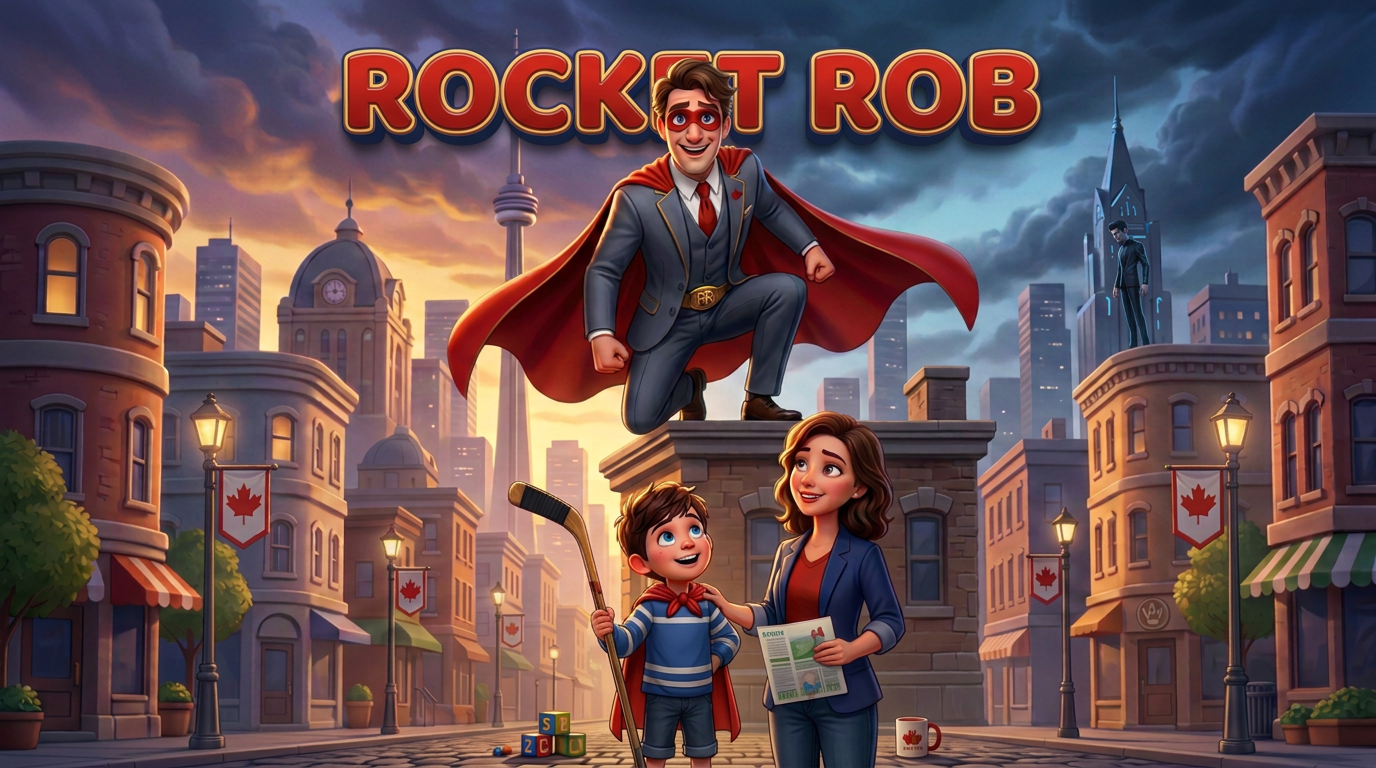
The Poster

Every hero needs someone who believes.

Rocket Rob — Master Movie Poster

"Can an ordinary dad still be a hero?"
The cape is a dish towel. The rocket is a car. The powers are imagination.
The heroism is the choice to show up. And both parents made it.

An animated film about a dad who might be a superhero — or might just be trying his best. Either way, his kid believes in him. And that's the whole story.

© 2026 Jack Autrel. All rights reserved. Rocket Rob™ — Story, characters & creative concepts by Jack Autrel.

|  Jack@Autrel.com